

Introduction
A website can look impressive and still fail to convince people to do business with you. Visitors may appreciate the visuals, but if they struggle to find information, understand your services, or complete an action, the experience falls short. This is where user experience (UX) design becomes a business consideration rather than simply a design decision.
Good UX design connects what a business wants to achieve with what its customers need to accomplish. It removes unnecessary friction, makes information easier to understand, and gives users a clear path forward. When these elements work together, a website becomes more than a digital presence. It becomes a practical tool for building trust, supporting buying decisions, and creating opportunities for growth.
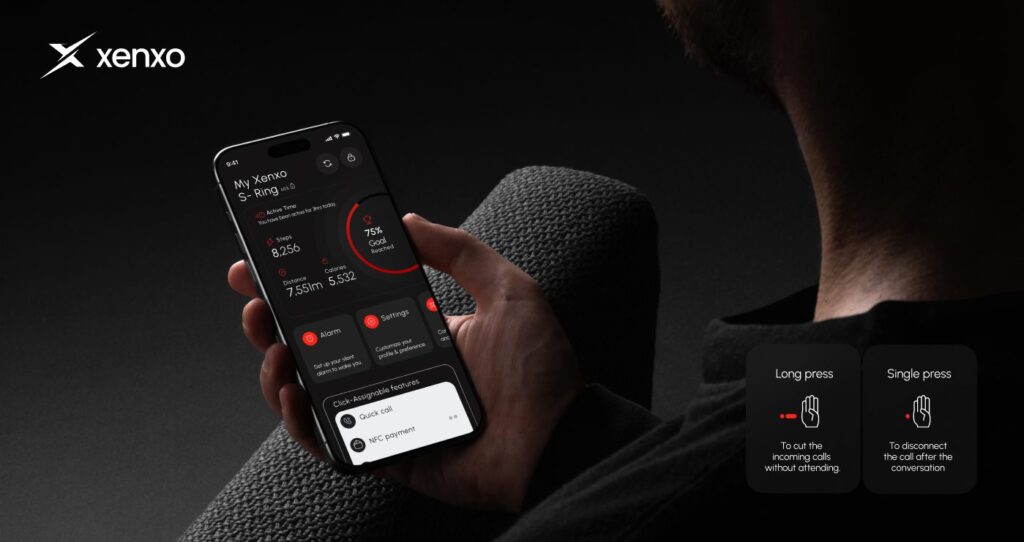
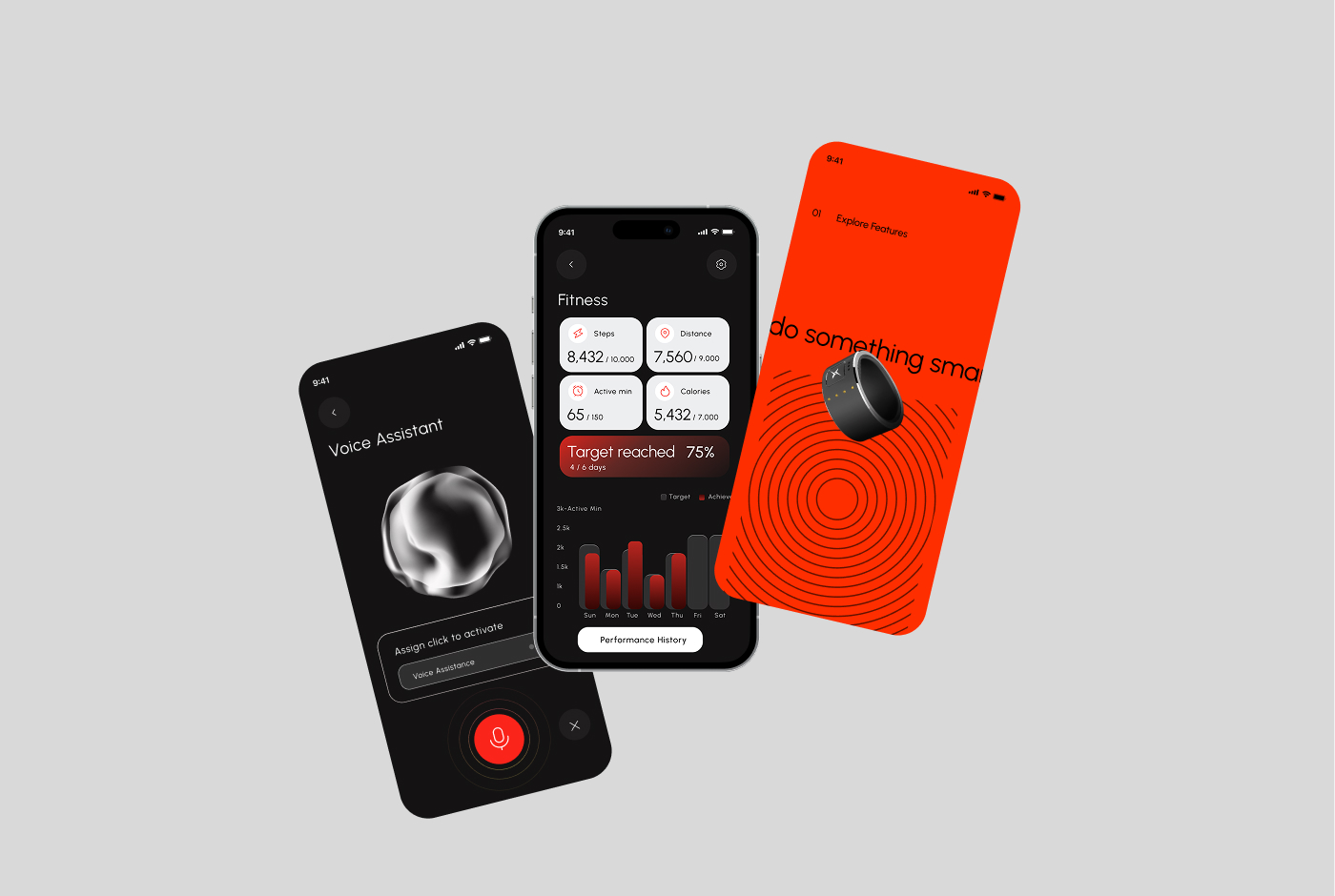
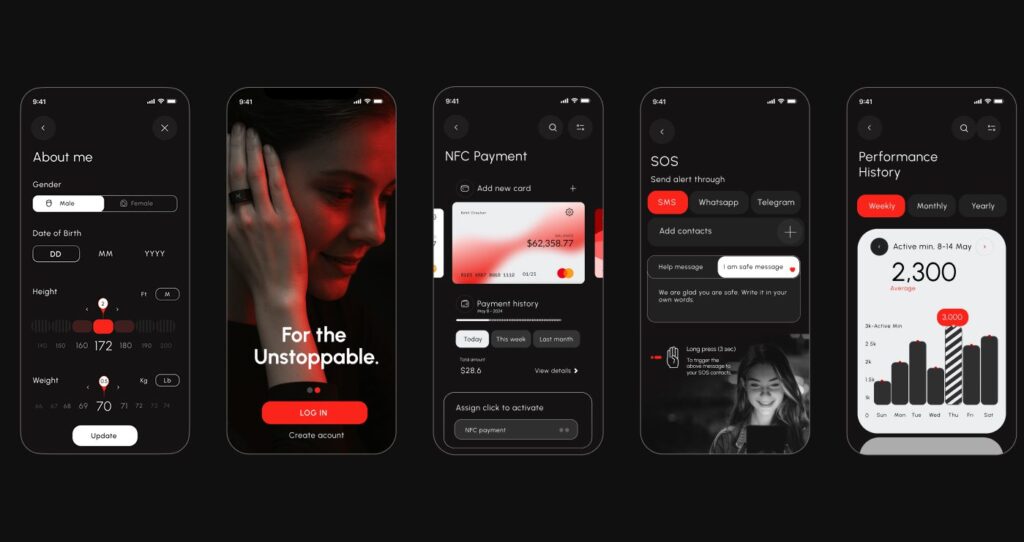
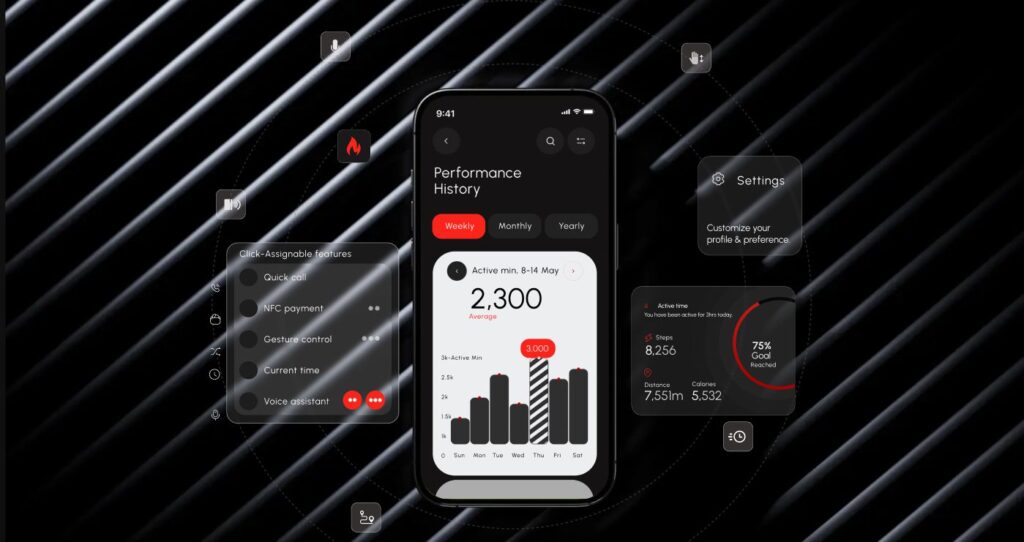
Explore Wings Design’s mobile app UI/UX design for Xenxo, a digital product experience
1. First Impressions Influence Buying Decisions
Before a potential customer speaks to your team, requests a proposal, or explores your product, they often interact with your website. That experience shapes their initial perception of your business. Confusing navigation, inconsistent messaging, and poorly organised content can create doubt, even when the company offers excellent services.
A well-designed user experience communicates clarity and credibility from the beginning. Visitors can understand what you offer, who you serve, and why your business is relevant to them. The objective is not to impress users with complexity, but to make their next step feel obvious and worthwhile.
2. Good UX Reduces Friction in the Customer Journey
Every unnecessary step creates an opportunity for a visitor to lose interest. A complicated enquiry form, unclear service descriptions, or a checkout process that asks for too much information can interrupt an otherwise promising customer journey.
UX design identifies these friction points and addresses them through better information architecture, simpler interactions, and more intuitive flows. For a service business, that might mean helping prospective clients navigate from a service page to relevant case studies and then to an enquiry form. For an ecommerce brand, it could mean making product discovery, comparison, and checkout more straightforward.
The goal is to help users accomplish what they came to do without making them work harder than necessary.
3. Better Experiences Build Customer Trust
Trust is not established through visual design alone. It also comes from consistency, transparency, and predictability. Users feel more confident when information is easy to find, interactions behave as expected, and the website communicates clearly at every stage.
A considered UX strategy brings these elements together. Clear navigation, accessible content, useful product information, consistent interface patterns, and meaningful calls to action help reduce uncertainty. When customers understand what happens next, they are more likely to feel comfortable moving forward.
For businesses operating in competitive markets, this clarity can become an important differentiator. Customers may compare several providers offering similar services, but the experience of evaluating each one can influence which business earns their consideration.
4. UX Design Supports Conversion Goals
Conversion problems are not always marketing problems. A business might attract relevant traffic through search engines, paid campaigns, or social media but still struggle to generate enquiries or sales. In some cases, the disconnect lies in what happens after visitors arrive.
Users may be unable to identify the right service, find answers to important questions, or understand why they should choose one offering over another. A conversion-focused UX approach examines these barriers and creates a more coherent path from interest to action.
This involves aligning page structure, content hierarchy, trust signals, and calls to action with user intent. It also requires measuring actual behaviour rather than relying on assumptions. Analytics, usability testing, and conversion data can help reveal where people encounter difficulties and which improvements deserve priority.
5. Mobile Experience Is Part of the Business Experience
Customers do not experience a brand only on desktop screens. They may discover a company through a mobile search, compare products while travelling, or revisit a service page from a social media link. If the mobile experience is difficult to navigate, the business risks losing opportunities before a meaningful interaction begins.
Effective mobile UX goes beyond shrinking a desktop layout. It considers touch interactions, readable typography, content prioritisation, loading performance, form usability, and the way users move between tasks on smaller screens.
A responsive website should preserve the essential quality of the experience across devices. The information customers need should remain accessible, and important actions should be easy to complete without unnecessary zooming, scrolling, or repetition.
6. UX Can Reduce Long-Term Development Costs
Design decisions made early in a project can influence the cost and complexity of development later. When user needs, content structures, and core journeys remain unclear, teams may end up rebuilding interfaces, changing navigation, or reworking functionality after launch.
UX research and planning help identify requirements before they become expensive implementation problems. User flows, wireframes, prototypes, and early usability tests allow teams to evaluate ideas and address weaknesses before committing to full development.
This does not mean every project needs an elaborate research programme. The appropriate level of investment depends on the product, audience, complexity, and risk involved. What matters is making informed decisions early enough to avoid preventable rework.
7. Strong UX Creates a More Consistent Brand Experience
Brand identity establishes how a business wants to be perceived, while UX determines how people experience that business in practice. If a company positions itself as premium but its website is difficult to use, the actual experience contradicts the intended positioning.
Consistency between brand strategy and user experience helps close this gap. Visual language, messaging, interaction patterns, and content structure should work together to communicate the same qualities. A premium brand, for instance, should make information feel considered, interactions feel deliberate, and the overall journey feel coherent.
When branding and UX are developed together, businesses can create digital experiences that look distinctive while remaining useful and intuitive.
How to Know Whether Your Website Needs Better UX
A website may benefit from a UX review if you notice recurring problems such as:
- High traffic but fewer enquiries or sales than expected.
- Visitors leaving important service or product pages without taking action.
- Users struggling to find key information or navigate between sections.
- Mobile visitors experiencing usability issues.
- Customers repeatedly asking questions that the website should already answer.
- Frequent changes to page layouts or conversion flows without a clear strategy.
These signals do not automatically mean the design is the problem. Traffic quality, pricing, product-market fit, messaging, and technical performance can also influence results. A useful review considers the complete customer journey before recommending changes.
What Businesses Should Prioritise in UX Design
Effective UX begins with understanding users, not choosing colours or arranging components. Businesses should identify their audiences, clarify what those audiences need, and map the decisions or tasks they want to complete. From there, teams can organise information, design key journeys, test assumptions, and refine the experience using real feedback.
The most valuable improvements are not necessarily the most visually dramatic. Sometimes a clearer headline, a better-organised service page, a shorter form, or a more useful navigation system can address a significant barrier. Prioritisation should be guided by user needs, business objectives, and evidence of where the current experience falls short.
UX should also be treated as an ongoing process. Customer expectations, product offerings, and business goals evolve, so a website that performs well today may need refinement over time. Regular analysis helps teams identify opportunities and make improvements based on actual behaviour.
Conclusion
Good UX design is not simply about making a website easier to use. It is about creating a clear connection between customer needs and business objectives. When people can understand an offering, evaluate their options, and take action without unnecessary friction, the website becomes better equipped to support trust, engagement, and conversions.
For businesses investing in digital growth, UX deserves a place in strategic planning from the beginning. At Wings Design Studio, user experience is an important part of building digital experiences that bring together business goals, brand identity, and the needs of the people using them.
A website should do more than look the part. It should make doing business with you easier.