

Introduction
Before a guest ever steps into a hotel lobby, they’ve already formed an impression of the property. That impression is shaped almost entirely by the hotel’s website, often within the first few seconds of landing on it. In an industry built on hospitality, comfort, and emotional connection, the digital front door matters just as much as the physical one. A modern hotel website isn’t simply a booking tool; it’s the first act of hospitality a guest experiences.
As travel behavior shifts toward mobile browsing, visual storytelling, and instant gratification, hotels that treat their websites as an afterthought are losing bookings to competitors who understand that design is not decoration, it’s strategy. This article explores what makes hotel website design effective in 2026, why it matters more than ever, and how properties can build digital experiences that convert browsers into guests and guests into loyal advocates.

Explore digital design process behind Rajveda
Why Hotel Website Design Matters More Than Ever
The hospitality industry has changed dramatically over the past decade. Guests no longer rely solely on travel agents or third-party booking platforms to choose where they stay. Instead, they research extensively, comparing photos, reading reviews, exploring neighborhoods, and forming expectations long before they arrive. The hotel website sits at the center of this research journey.
A poorly designed website, slow to load, difficult to navigate, cluttered with outdated information, signals to potential guests that the physical property might suffer from similar neglect. Conversely, a clean, intuitive, visually compelling website builds trust and anticipation. It tells guests: this property pays attention to detail, values your time, and understands modern expectations.
There’s also a direct financial incentive. Bookings made directly through a hotel’s website bypass the commission fees charged by third-party platforms like Booking.com or Expedia, which can range from 15% to 30% per reservation. A well-designed website that encourages direct bookings can meaningfully improve a property’s margins while also giving the hotel more control over the guest relationship from the very first interaction.
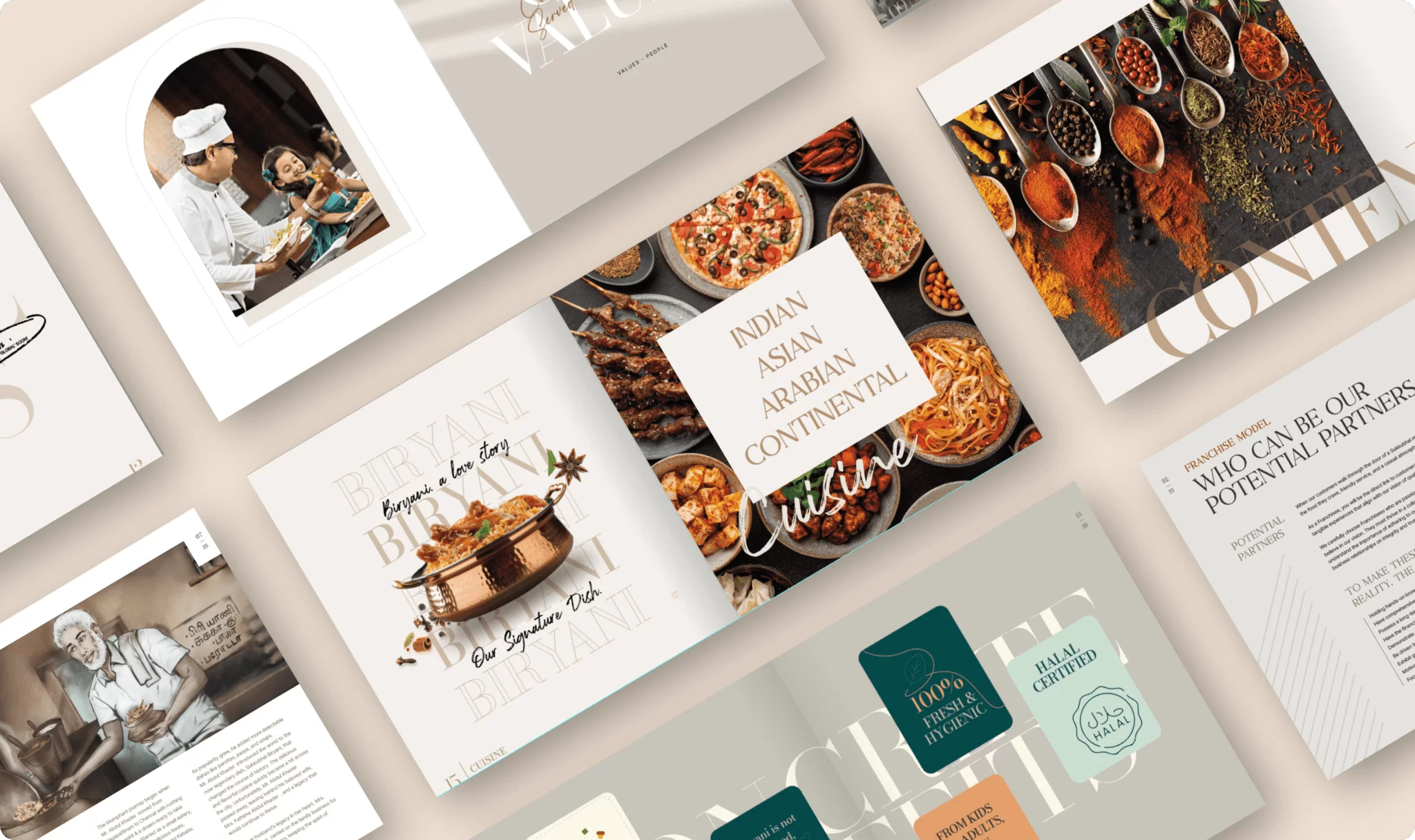
Explore digital design process behinf Sukkubhai
Core Principles of Modern Hotel Website Design
01. Visual Storytelling Over Generic Stock Photography
Guests don’t just want to know what a room looks like, they want to feel what it’s like to stay there. Modern hotel websites increasingly rely on authentic photography and video that capture mood, light, texture, and atmosphere rather than sterile, staged shots. A boutique hotel in Lisbon might showcase golden-hour footage of guests sipping wine on a rooftop terrace; a mountain lodge might emphasize crackling fireplaces and snow-dusted windows. This kind of visual storytelling creates an emotional hook that generic imagery simply cannot replicate.
High-quality video backgrounds, subtle motion graphics, and immersive photo galleries have become standard expectations rather than luxury additions. However, these elements must be balanced carefully with performanc, a stunning hero video means little if it causes the page to load slowly.
02. Mobile-First, Not Mobile-Friendly
It’s no longer enough for a hotel website to simply “work” on mobile devices. With the majority of travel research and a significant portion of bookings now happening on smartphones, websites must be designed mobile-first, meaning the mobile experience is the primary design consideration, with desktop layouts adapted from it, rather than the reverse.
This means simplified navigation menus, thumb-friendly buttons, fast-loading image compression, and booking engines that function smoothly on smaller screens without frustrating pinch-and-zoom gestures. A guest browsing on their phone during a commute should be able to check room availability and complete a reservation in just a few taps.
03. Intuitive, Frictionless Booking Engines
The booking engine is arguably the most critical component of any hotel website, yet it’s often the most neglected in terms of design. A cluttered or confusing booking flow, one that requires too many clicks, unclear pricing, or unnecessary account creation, drives potential guests straight to third-party platforms where the process feels more familiar.
Modern booking engines should be embedded seamlessly into the site’s design (not redirect to a jarring, differently-branded external page), display transparent pricing upfront, offer flexible date searching, and minimize the number of steps between “browsing” and “confirmed reservation.” Features like real-time availability, visual room comparisons, and one-click upgrades or add-ons (breakfast packages, spa credits, late checkout) can meaningfully increase both conversion rates and average booking value.
04. Personalization and Smart Recommendations
Guests increasingly expect websites to feel tailored to them. Modern hotel websites are incorporating personalization engines that adjust content based on browsing behavior, location, past stays, or stated preferences. A returning guest might see a personalized welcome message referencing their previous stay; a family searching for rooms might automatically see suite options and kid-friendly amenities highlighted.
This level of personalization, powered by data and increasingly by AI-driven recommendation systems, transforms a static website into a dynamic concierge, one that anticipates needs rather than simply presenting information.
05. Speed and Performance
No matter how beautiful a website looks, if it loads slowly, guests will abandon it. Research consistently shows that even a one-second delay in page load time can significantly reduce conversion rates. This creates an inherent design tension in hospitality: hotels want rich, high-resolution imagery and video, but these elements are often the biggest culprits behind sluggish performance.
The solution lies in smart technical execution, image compression without visible quality loss, lazy loading (where images load only as a user scrolls to them), content delivery networks (CDNs) that serve assets from servers closer to the user, and minimalist code that avoids unnecessary plugins or scripts. Performance isn’t just a technical concern; it’s a design principle.
06. Accessibility as a Design Standard
Inclusive design has moved from a nice-to-have to a baseline expectation, and increasingly, a legal requirement in many jurisdictions. This means ensuring sufficient color contrast for readability, alt text for images, keyboard-navigable menus, screen-reader compatibility, and captioned video content. Beyond compliance, accessible design broadens a hotel’s potential guest base and reflects genuine hospitality values: welcoming all travelers, regardless of ability.
07. Clear, Confident Brand Identity
The best hotel websites don’t look interchangeable. They reflect a distinct brand personality through typography choices, color palettes, tone of voice, and layout style. A minimalist urban business hotel should feel visually distinct from a whimsical countryside bed-and-breakfast. This isn’t just about aesthetics, brand consistency across the website builds recognition and trust, and it sets accurate expectations for what guests will experience upon arrival.
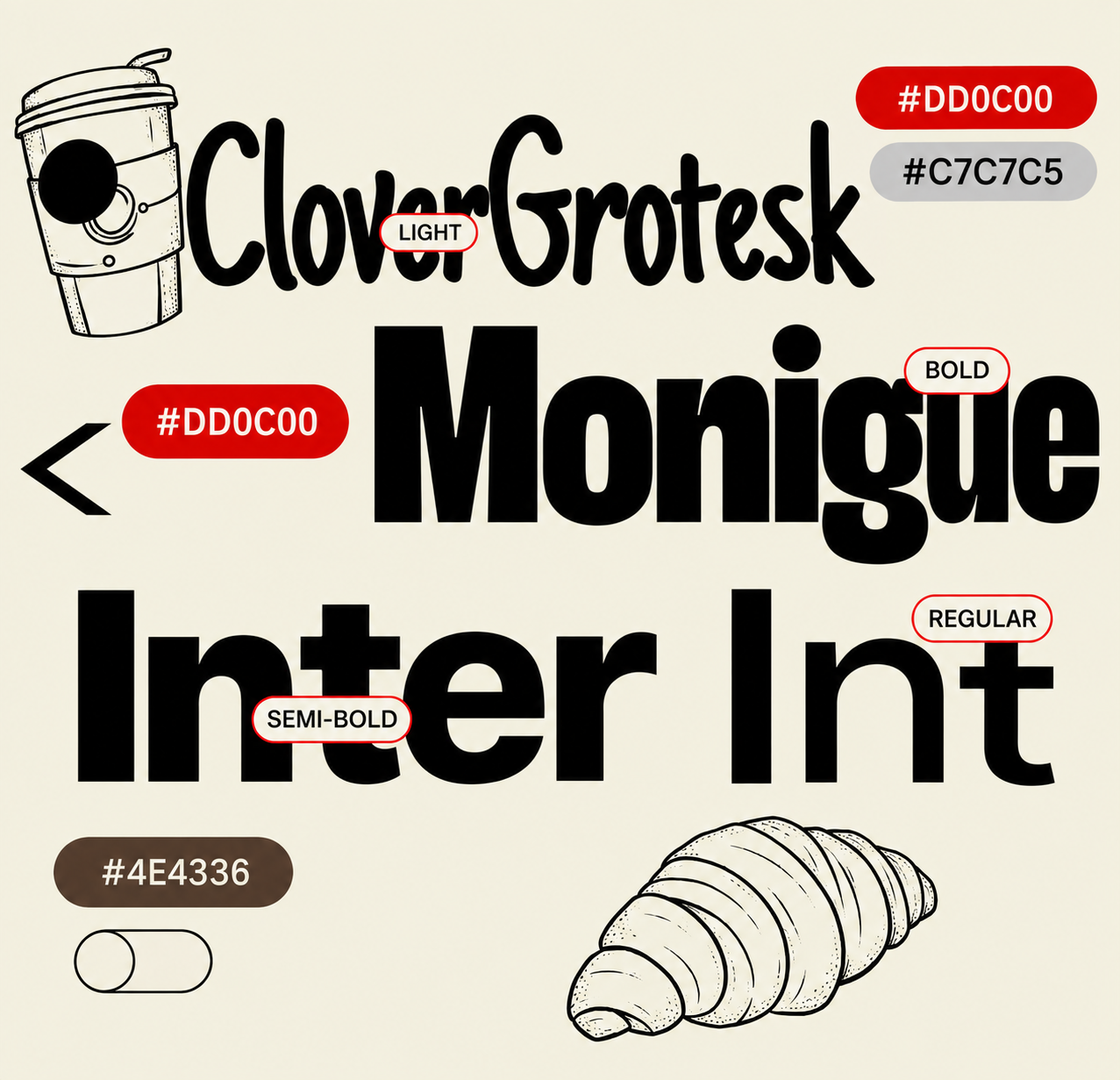
Strong typography, in particular, is often underestimated. The right font pairing can convey luxury, warmth, playfulness, or minimalism far more effectively than most guests consciously realize.
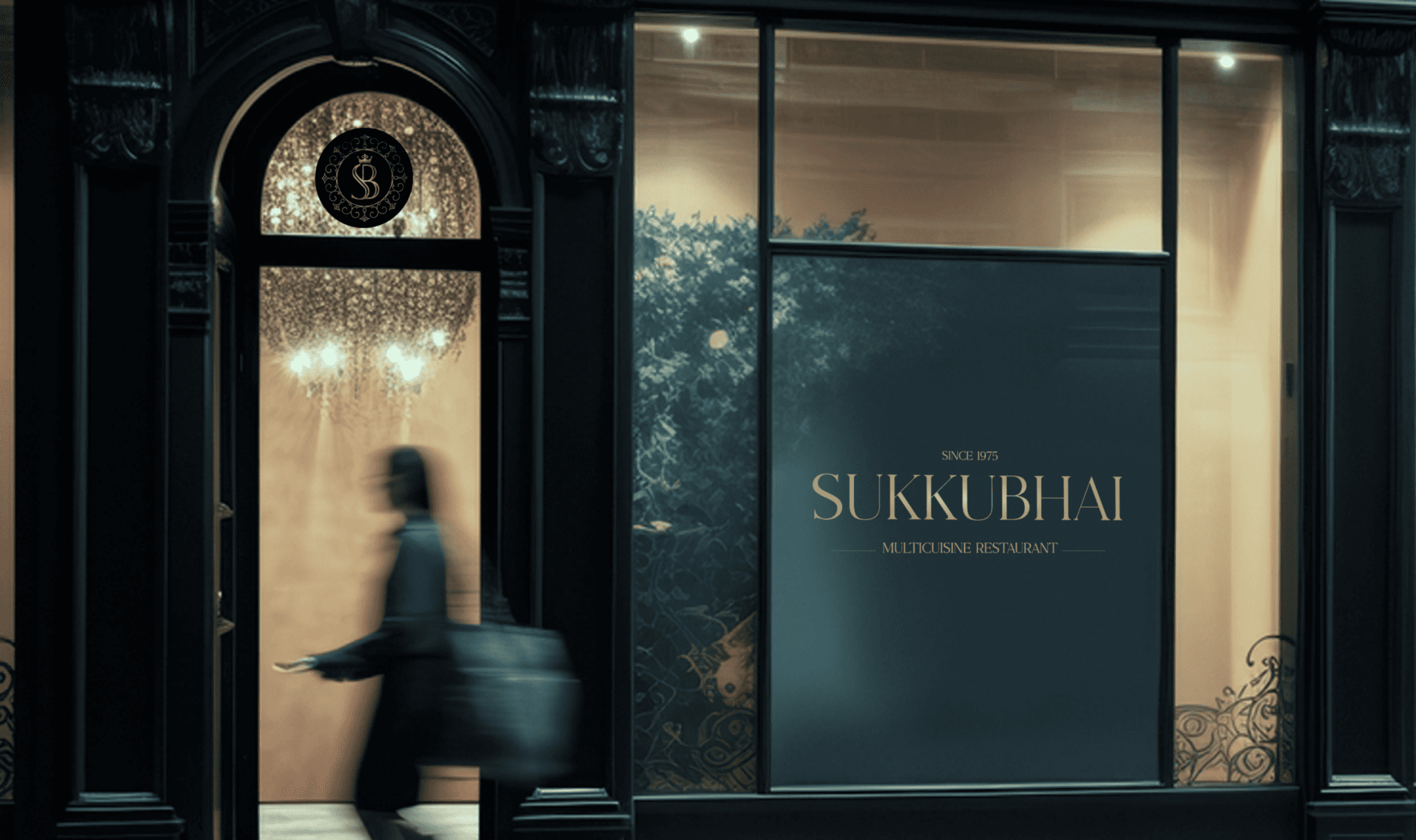
Explore digital design process behinf Sukkubhai
The Role of Content Beyond Booking
A modern hotel website should function as more than a transactional booking tool, it should serve as a resource that builds excitement and answers questions before they’re even asked. This includes:
- Neighborhood guides that help guests understand what’s nearby and what makes the location special
- Dining and amenity showcases that highlight on-site restaurants, spas, or unique experiences
- Event and meeting space pages for hotels catering to business travelers or weddings
- Guest stories and reviews integrated naturally rather than relegated to a separate, easily ignored page
- FAQ and policy pages written in a warm, human tone rather than dense legal language
This kind of content marketing approach not only improves the guest experience but also strengthens search engine visibility, helping the hotel attract organic traffic from travelers researching destinations rather than searching for a specific property by name.
Emerging Trends Shaping the Future
Several trends are actively reshaping hotel website design heading into the back half of the 2020s:
AI-powered chat concierges are becoming more sophisticated, capable of answering detailed questions about amenities, local recommendations, and booking modifications in real time, reducing friction and reflecting the personalized service guests expect from the physical stay.
Sustainability storytelling is increasingly prominent, with eco-conscious travelers seeking transparency about a hotel’s environmental practices, often communicated through dedicated sustainability sections with real data rather than vague marketing language.
Micro-interactions and subtle animation, small design details like buttons that respond with gentle motion, or images that reveal slightly on scroll, add a layer of polish that makes browsing feel more engaging without overwhelming the user.
Voice search optimization is growing in relevance as more travelers use voice assistants for initial research, prompting hotels to structure content in more conversational, question-answering formats.

Explore digital design process behind Rajveda
Conclusion
A hotel’s website is no longer simply a digital brochure, it’s an extension of the guest experience itself, often the very first touchpoint in a relationship that may span years of return visits. The hotels that thrive in this environment understand that thoughtful design, fast performance, intuitive booking flows, and authentic storytelling aren’t optional extras. They’re fundamental to how modern travelers choose where to stay.
Investing in a modern, well-designed website is ultimately an investment in the guest relationship, one that begins long before check-in and, when done well, leaves guests already looking forward to their next visit before they’ve even left.
Want this as a downloadable file, or formatted for a specific platform like WordPress or Medium?