


Introduction: Why Website Design Matters for Manufacturers
Having a strong online presence is no longer optional. A manufacturing website is often the first place potential customers, distributors, suppliers, and business partners go to understand what a company offers. Before making an inquiry or requesting a quotation, buyers want to know whether a manufacturer has the right products, capabilities, technology, certifications, and experience.
This is why manufacturing website design needs to go beyond attractive visuals. A successful website should clearly communicate a company’s expertise while making it easy for visitors to find information, evaluate products, and take the next step.
Unlike typical business websites, manufacturing websites must present complex information such as product specifications, capabilities, certifications, facilities, and case studies. If this information is hard to find, potential customers may look elsewhere.
A professionally designed manufacturing website builds credibility, generates qualified leads, and supports long-term growth while serving as a 24/7 digital sales tool.
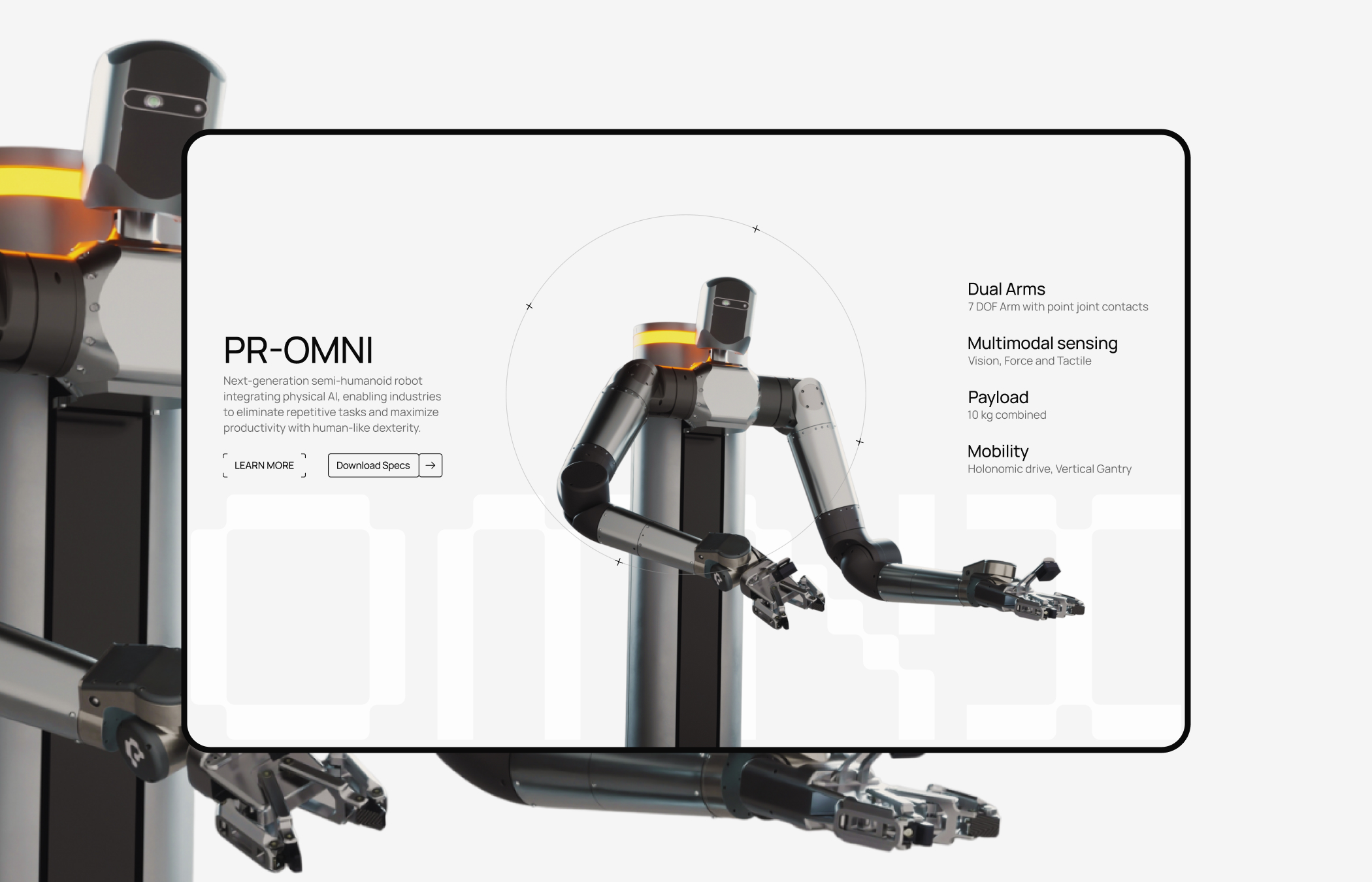
Explore the Digital Design behind Mumbai-based perceptyne.
What Makes a Manufacturing Website Effective?
An effective manufacturing website combines professional design, clear content, strong functionality, and user-friendly navigation. The goal is not simply to create a website that looks modern but to create a digital platform that supports business objectives.
For example, a manufacturer specializing in industrial components should make it easy for visitors to understand its product range, materials, manufacturing processes, tolerances, industries served, and quality standards. Similarly, an OEM manufacturer should clearly explain its production capabilities, customization options, machinery, quality control processes, and experience.
A good website should answer the visitor’s most important questions quickly:
- What products or services does the manufacturer provide?
- What industries does the company serve?
- What manufacturing capabilities does it have?
- What makes the company different from competitors?
- Does it meet relevant quality and safety standards?
- Can customers request a quote or discuss their requirements?
- How can a potential customer get in touch?
The answers should be presented in a simple and organized way rather than overwhelming visitors with technical information.
01. Responsive and Mobile-Friendly Design
One of the most important features of modern manufacturing website design is responsive functionality. Your website should work smoothly across desktops, laptops, tablets, and smartphones.
Potential customers may discover your company through search engines, emails, social media, online directories, or referrals. They may access your website from almost any device. If the pages are difficult to read or navigate on mobile devices, you risk losing valuable leads.
A responsive website automatically adapts its layout, images, text, buttons, and navigation to different screen sizes. This creates a consistent experience for every visitor.
Mobile-friendly design is also important for search engine visibility. Search engines consider the usability and performance of websites when determining how pages should appear in search results.
For manufacturers, responsive design should also consider technical content. Product tables, specifications, downloadable brochures, technical drawings, and inquiry forms need to remain easy to view and use on smaller screens.
02. Clear Product and Service Information
Manufacturing websites often contain highly technical information, but that does not mean the content needs to be complicated.
Your website should clearly explain your products and services in a way that both technical and non-technical visitors can understand. Each major product or service should ideally have its own dedicated page containing relevant information such as features, applications, specifications, materials, sizes, manufacturing processes, and available customization options.
High-quality product information helps potential buyers determine whether your company can meet their requirements before contacting your sales team.
It can also improve search engine visibility because individual product and service pages give search engines more relevant content to understand and index.
Most importantly, clear information builds confidence. When visitors can easily understand your capabilities and find the details they need, your website becomes a useful part of the buying process rather than simply an online company brochure.
Looking Ahead
A modern manufacturing website should be designed around the needs of today’s B2B buyers. Responsive design and clear product information provide the foundation, but manufacturers need additional features to turn website traffic into genuine business opportunities.
03. Strong Calls-to-Action (CTAs)
A manufacturing website should not only provide information, it should encourage visitors to take action. This is where clear and strategically placed calls-to-action (CTAs) become important.
Manufacturing buyers may visit a website several times before making a decision. They may want to request a quotation, discuss a custom requirement, download a product brochure, schedule a consultation, or contact the sales team. Your website should make these actions easy to find.
Examples of effective CTAs for manufacturing websites include:
- Request a Quote
- Get a Free Consultation
- Talk to Our Experts
- Download Product Catalog
- Send Your Requirements
- Contact Our Sales Team
CTAs should be relevant to the page the visitor is viewing. For example, a product page can include a “Request a Quote” button, while a manufacturing capabilities page can use “Discuss Your Project” as the primary CTA.
Avoid filling every section of the website with aggressive sales messages. Instead, use CTAs naturally throughout the customer journey. The objective is to guide visitors toward the next logical step.
04. Detailed Product Catalogs and Specifications
For many manufacturers, the product catalog is one of the most important sections of the website. Buyers often need detailed information before contacting a supplier.
A well-organized online catalog can include product names, specifications, dimensions, materials, applications, technical features, available variants, and downloadable documents.
Instead of placing every product on one long page, consider organizing products into logical categories. This allows visitors to quickly narrow down their options.
For example, an industrial equipment manufacturer might organize its catalog into:
- Industrial Machinery
- Automation Equipment
- Components
- Spare Parts
- Custom Solutions
Individual product pages can then provide more detailed information.
Technical documents such as brochures, datasheets, catalogs, CAD files, manuals, and certificates can also be made available where appropriate. Providing this information online reduces friction for technical buyers and allows them to evaluate your products more efficiently.
The product catalog should also be searchable and easy to navigate, particularly when a manufacturer has hundreds or thousands of products.

Explore the website design process behind the DCC.
05. Easy-to-Use Navigation and Site Structure
Even the most impressive manufacturing website can lose potential customers if visitors cannot find the information they need.
Simple navigation is therefore an essential part of effective website design. Visitors should be able to understand the website structure immediately and reach important pages with minimal effort.
A manufacturing website may commonly include sections such as:
Home → About Us → Products → Industries → Capabilities → Quality → Resources → Contact
The exact structure will depend on the business, but the principle remains the same: organize information according to what your customers are looking for.
Important pages should be accessible from the main navigation, while related pages can be connected through internal links.
A search function can be particularly useful for manufacturers with extensive product catalogs or technical resources.
Good navigation also improves the overall user experience. When visitors can quickly move from a product page to specifications, applications, certifications, and an inquiry form, they are more likely to stay engaged and become qualified leads.
06. High-Quality Images, Videos, and Visual Content
Manufacturing is a highly visual industry. Customers want to see your products, equipment, facilities, production processes, and quality-control practices.
High-quality photography can help demonstrate the scale and professionalism of your operations. Images of manufacturing facilities, machinery, products, employees, warehouses, and inspection processes can make the company feel more credible and transparent.
Videos can be even more effective for demonstrating complex manufacturing processes. A short factory tour, product demonstration, machine operation video, or production-process video can communicate information that would otherwise require several paragraphs of text.
However, visual content should serve a purpose. Large, unoptimized images can slow down a website, so images and videos should be optimized for fast loading while maintaining good quality.
When combined with clear text and technical information, strong visual content can help visitors understand your manufacturing capabilities and develop greater confidence in your company.
Building a Stronger Digital Presence
With clear CTAs, detailed product information, intuitive navigation, and compelling visual content, a manufacturing website can become much more than a digital brochure. It can support sales teams, educate potential buyers, showcase capabilities, and generate new business opportunities.
07. Search Engine Optimization (SEO)
A well-designed manufacturing website is only valuable if potential customers can find it. This makes search engine optimization (SEO) an essential feature of modern manufacturing website design.
Many B2B buyers begin their purchasing journey on search engines. They may search for terms such as “industrial equipment manufacturer,” “custom metal fabrication company,” “OEM manufacturing services,” or a specific product or component.
Your website should be optimized around the keywords and search terms your potential customers actually use.
Manufacturing SEO can include optimizing product pages, service pages, industry pages, title tags, meta descriptions, headings, URLs, images, and internal links. Creating useful educational content such as manufacturing guides, technical articles, FAQs, and case studies can also help attract relevant organic traffic.
Another important aspect is creating dedicated pages for individual products, services, and industries. Instead of trying to rank one general homepage for every keyword, manufacturers can build a stronger search presence by creating useful pages around specific customer needs.
SEO should not be treated as a one-time activity. Search trends, customer expectations, competitors, and search engine algorithms continue to change. Regularly updating and improving website content can help maintain long-term visibility.

Explore the website design process behind the Blossom heights
08. Fast Loading Speed and Strong Website Performance
Website speed has a direct impact on user experience. If a manufacturing website takes too long to load, visitors may leave before they even see the company’s products or capabilities.
This is particularly important when websites contain high-resolution product photographs, factory videos, technical drawings, downloadable documents, and large product catalogs.
A modern manufacturing website should therefore be optimized for performance. Images should be compressed appropriately, unnecessary scripts should be minimized, and pages should be structured efficiently.
The website should also perform consistently across different devices and internet connections.
Fast-loading pages make it easier for potential customers to browse product information and submit inquiries. Strong performance can also contribute to better search visibility because page experience is an important part of modern SEO.
Manufacturers should regularly test website performance and address technical issues that could affect usability.
09. Lead Generation and Contact Forms
The ultimate goal of many manufacturing websites is to generate qualified business inquiries. A website should therefore include effective lead-generation features.
A basic contact page is useful, but manufacturers can go further by providing inquiry forms throughout the website.
For example, a product page could include a form allowing visitors to request pricing or submit technical requirements. A capabilities page could include a “Discuss Your Project” form, while a downloadable resource could encourage visitors to provide basic contact information.
Forms should be simple and ask only for information that is genuinely necessary. Depending on the business, useful fields might include name, company, email, phone number, product or service of interest, and project requirements.
Manufacturers can also include options for visitors to upload relevant files, such as drawings or specifications, when appropriate.
Clear lead-generation opportunities ensure that interested visitors do not have to search extensively to find out how to contact the company.
10. Trust-Building Elements and Certifications
Trust is particularly important in B2B manufacturing. Buyers want confidence that a supplier can consistently meet quality, delivery, safety, and technical requirements.
A manufacturing website should therefore highlight relevant trust signals.
These may include:
- Industry certifications
- Quality management certifications
- Safety standards
- Customer testimonials
- Case studies
- Industry awards
- Years of experience
- Production capacity
- Quality-control processes
- Major industries served
- Approved supplier credentials
Certifications should be presented clearly, with supporting information where appropriate. Case studies can demonstrate how the company has solved real customer problems, while testimonials can provide social proof.
Manufacturers can also showcase their facilities, machinery, inspection equipment, production processes, and experienced teams to demonstrate their capabilities.
These elements help transform a website from a simple collection of product pages into a credible representation of the company.
Turning Visitors Into Qualified Prospects
SEO brings relevant visitors to the website, strong performance keeps them engaged, lead-generation tools encourage inquiries, and trust signals help them feel confident about taking the next step.
Together, these features create a website that actively supports the manufacturing sales process rather than simply displaying company information.
How to Make Your Manufacturing Website Stand Out
With so many manufacturers competing for attention online, simply having a professional-looking website is not enough. Your website needs to clearly communicate what makes your company different and why potential customers should choose you.
One effective approach is to focus on your unique manufacturing strengths. These could include advanced machinery, specialized expertise, high production capacity, faster turnaround times, customization capabilities, international certifications, or experience in a particular industry.
Instead of using generic statements such as “We provide high-quality manufacturing solutions,” explain what your company actually does and how it benefits customers.
You can also use case studies to demonstrate your expertise. A good case study can explain the customer’s challenge, the solution provided, the manufacturing process involved, and the outcome. This gives prospective buyers a better understanding of your capabilities.
Another way to stand out is through educational content. Technical guides, FAQs, product comparisons, maintenance tips, industry insights, and manufacturing resources can position your company as an experienced and knowledgeable supplier.

Explore the website design process behind the Krishna group
Common Manufacturing Website Design Mistakes to Avoid
Even manufacturers with excellent products can lose potential customers because of poor website design. Avoiding common mistakes can significantly improve the user experience.
- Too much technical information without structure:
Technical details are important, but large blocks of complex information can overwhelm visitors. Use headings, bullet points, tables, diagrams, and downloadable documents to organize technical content. - Weak or unclear CTAs:
If visitors cannot easily find how to request a quote or contact your sales team, you may lose valuable leads. Use clear CTAs throughout important pages. - Outdated information:
Old product catalogs, expired certifications, outdated company information, or incorrect contact details can damage credibility. Review website content regularly. - Poor mobile experience:
A website that works well only on desktop computers is no longer sufficient. Every important page should be easy to view and navigate on mobile devices. - Slow website performance:
Large images, unnecessary animations, and poorly optimized resources can increase loading times. Performance should be treated as a core part of website design. - Generic stock photography:
Using real photographs of your factory, equipment, products, and team can make your website more authentic and trustworthy.
How to Choose the Right Manufacturing Website Design Partner
Choosing the right website design partner can have a major impact on the success of your online presence. Manufacturers should look for an agency or design team that understands both website development and the manufacturing industry.
Before selecting a partner, review their previous work and assess whether they understand B2B customer journeys, technical products, SEO, lead generation, responsive design, and performance optimization.
It is also important to discuss your business goals. Are you looking to generate more quote requests? Improve product visibility? Enter new markets? Strengthen your brand? Support distributors? Your website strategy should be built around these objectives.
A strong website partner should also provide a scalable solution. As your business grows, you may need to add new products, industries, resources, languages, or integrations.
Final Thoughts: Building a Website That Drives Manufacturing Growth
A modern manufacturing website should be more than an online brochure. It should function as a digital sales and marketing platform that communicates your capabilities, builds trust, attracts qualified visitors, and makes it easy for prospects to contact your company.
The 10 essential features covered in this guide, from responsive design and clear product information to SEO, performance, lead generation, and trust signals, provide a strong foundation for a successful manufacturing website.
The key is to design the website around your customers. Understand what information they need, how they evaluate suppliers, and what prevents them from making an inquiry. Then build a website that removes those barriers.
With the right manufacturing website design strategy, your website can strengthen your brand, support your sales team, generate qualified leads, and help your manufacturing business compete effectively in an increasingly digital marketplace.

Nandin
Design Lead