


Introduction
The way people plan and experience travel has changed significantly with the growth of digital technology. Before visiting a destination, travelers now search online for places to visit, hotels, activities, restaurants, travel packages, transportation, and local experiences. Because of this, having a well-designed tourism website has become essential for destinations, travel agencies, tour operators, hotels, and tourism businesses.
A professional tourism website design is more than an attractive collection of images. It creates a digital travel experience that helps visitors discover destinations, find useful information, plan their trips, and make confident travel decisions. A website that combines beautiful visuals, simple navigation, informative content, and interactive features can turn casual visitors into potential travelers or customers.
The main purpose of website design for tourism is to inspire people while making travel planning easy. When visitors arrive on a tourism website, they should immediately understand what the destination or travel company offers. Clear headings, engaging photographs, useful travel guides, destination information, and easy-to-use navigation can significantly improve the overall user experience.
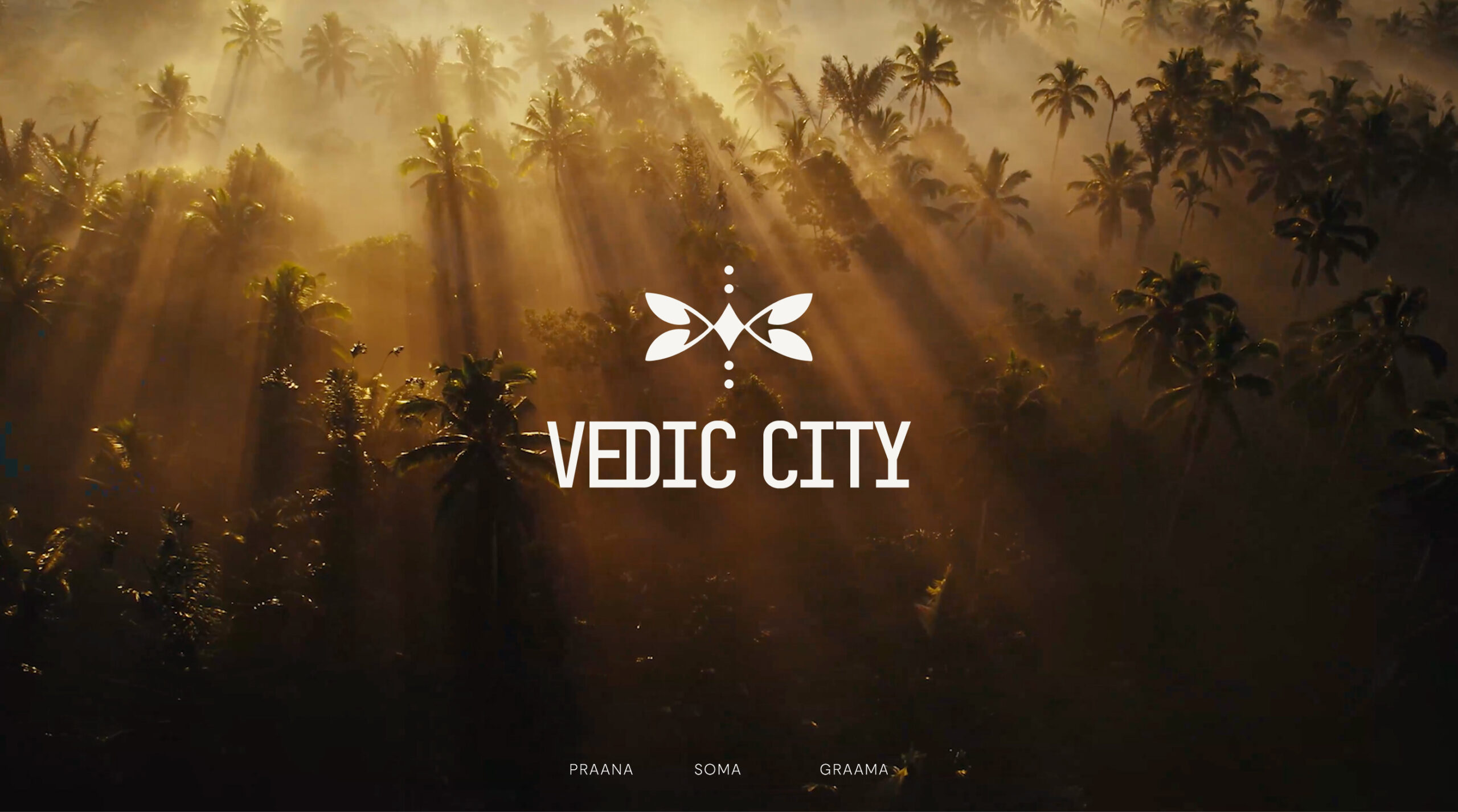
Explore the website design process behind the Vedic city
Why Website Design Is Important for Tourism
A well-designed tourism website creates a strong first impression and encourages travelers to explore a destination. High-quality images, clear information about attractions, accommodation, travel, and costs help visitors plan their trips easily.
A mobile-friendly and responsive design ensures the website works smoothly across all devices. Fast loading, readable content, and easy navigation improve the user experience. Additionally, SEO-friendly content with relevant keywords, headings, and optimized images can increase visibility and attract more travelers through search engines.
Creating a Better Digital Travel Experience
An effective tourism website should guide visitors from inspiration to action. The homepage can introduce the destination with an attractive hero section, followed by popular destinations, recommended activities, travel packages, customer reviews, travel guides, and a clear call to action.
The website should also make it easy for users to explore according to their interests. Categories such as adventure tourism, cultural tourism, nature tourism, family vacations, luxury travel, and budget travel can help visitors quickly find relevant experiences.
Ultimately, successful website design for tourism combines creativity, technology, content, and user experience. The goal is to create a website that does not simply provide information but inspires people to explore new destinations and begin planning their next journey.

Explore the website design process behind the Vedic city
Key Elements of a Tourism Website
A successful tourism website design should combine attractive visuals, useful information, simple navigation, and interactive features. Every element should be designed with the traveler’s needs in mind. When these elements work together, the website becomes easier to use, more engaging, and more effective at encouraging visitors to explore a destination.
01. Attractive Visual Design
Visual content is one of the most important parts of a tourism website. Travel is an experience that people often choose based on emotions and imagination. High-quality photographs of destinations, landscapes, monuments, beaches, hotels, local food, and cultural activities can immediately capture a visitor’s attention.
A strong homepage can use a large hero image or video with a short headline and a clear call-to-action button such as “Explore Destinations”, “Plan Your Trip”, or “Discover More.” Image galleries and destination cards can then help users explore different locations.
However, images should be optimized so that they do not slow down the website. Fast-loading images and modern web formats can improve both user experience and SEO for tourism websites.
02. Simple and Clear Navigation
Navigation allows visitors to move around the website and find the information they need. A tourism website should have a simple and organized navigation menu.
Common sections can include:
Important information should not be hidden behind complicated menus. Visitors should be able to reach popular destinations and travel information within a few clicks.
Clear navigation also helps search engines understand the structure of the website. Proper headings, internal links, and organized pages can support better tourism SEO performance.
03. Mobile-Friendly and Responsive Design
A large number of travelers use smartphones to search for destinations, check maps, read reviews, and make bookings. Therefore, responsive design is essential for a modern tourism website.
A responsive website automatically adjusts its layout according to the visitor’s screen size. Images, text, menus, buttons, and forms should remain easy to view and use on mobile devices.
Mobile-friendly design can also improve the overall user experience because visitors can access travel information while they are away from their computers.
04. Detailed Destination Information
Destination pages are the core of many tourism websites. Each destination should provide useful and easy-to-understand information.
A good destination page can include:
- Introduction to the destination
- Major attractions
- Best time to visit
- Things to do
- Local food
- Accommodation options
- Transportation information
- Travel costs
- Safety and travel tips
- Frequently asked questions
Providing detailed information helps visitors make informed decisions and encourages them to spend more time exploring the website.
05. Interactive Maps
Interactive maps can make a tourism website more useful and engaging. Visitors can use maps to locate tourist attractions, hotels, restaurants, airports, transportation points, and other important places.
For example, a destination page could display major attractions on a map and provide directions or distance information. This can help travelers understand the location of different places and plan their itinerary more effectively.
06. Search and Filtering Features
A search feature allows visitors to find information quickly. This becomes particularly important when a tourism website contains many destinations, activities, hotels, or travel packages.
Filtering options can allow users to search based on:
- Destination
- Budget
- Travel type
- Duration
- Activities
- Family or solo travel
- Adventure or relaxation
- Luxury or budget preferences
These features make the website more personalized and reduce the time visitors need to find relevant information.
07. Easy Booking and Contact Options
If a tourism website provides travel packages, accommodation, tours, or other services, the booking process should be simple and transparent.
Clear buttons such as “Book Now,” “Check Availability,” or “Contact Us“ should be easy to find. Booking forms should request only the necessary information and clearly explain prices, availability, policies, and other important details.
For visitors who are not ready to book, contact forms, email options, or inquiry buttons can provide an easy way to ask questions.
08. Reviews and Testimonials
Customer reviews can help build trust. Travelers often look at the experiences of other people before choosing a destination, hotel, tour, or travel service.
A tourism website can include genuine customer testimonials, ratings, travel stories, and feedback. These elements can reassure new visitors and make the website appear more trustworthy.
Overall, these features help transform a basic website into a complete digital travel experience. A tourism website should not only look attractive but also provide the information, tools, and convenience travelers need when planning their journeys.

Explore the website design process behind the Blossom heights
Creating an Engaging Tourism Website Experience
A successful tourism website should do more than display destinations. It should provide an enjoyable digital experience that keeps visitors interested and encourages them to explore further. This can be achieved through engaging content, effective user experience, search engine optimization, attractive colors, and readable typography.
01. The Importance of Tourism Blog Content
A blog is an important part of a modern tourism website. Travelers often search online for ideas and information before making travel decisions. Helpful blog articles can answer their questions while introducing them to new destinations and experiences.
Tourism blogs can cover topics such as:
- Best places to visit
- Travel tips for beginners
- Budget travel guides
- Best destinations for families
- Adventure travel experiences
- Local food and culture
- Seasonal travel recommendations
- Weekend getaway ideas
- Hidden tourist attractions
- Complete destination guides
High-quality blog content can also support tourism SEO. By creating useful articles around relevant travel keywords, a website can attract visitors who are actively searching for travel information.
02. User Experience in Tourism Website Design
User experience, or UX, refers to how easily and comfortably visitors can use a website. A tourism website should be designed around the needs of travelers.
Visitors should be able to find important information without unnecessary clicks. Pages should have clear headings, readable text, consistent layouts, and easy-to-understand buttons.
For example, a destination page could guide the visitor through a simple journey:
Discover → Explore → Plan → Book → Travel
This structure makes the website feel natural and helps users move from inspiration toward action.
Website speed is another important part of UX. Large images, unnecessary animations, and poorly optimized code can make pages slow. Faster websites generally provide a better experience, particularly for mobile users.
03. SEO-Friendly Tourism Website Design
Search engine optimization helps a tourism website become more visible in search engine results. A good SEO strategy should be included during the website design process rather than added later.
Important tourism SEO practices include using relevant keywords naturally throughout page titles, headings, descriptions, and content. For example, a website targeting travelers interested in a particular location might use phrases such as “best tourist places,” “things to do,” “travel guide,” and “places to visit.”
Internal linking is also useful. A blog article about a destination can link to the destination’s main page, activity pages, travel packages, and related articles.
Images should have descriptive file names and alternative text. This helps search engines understand visual content and can also improve accessibility.
A clean URL structure, responsive design, fast loading speed, useful content, and clear page organization can further support search engine visibility.
04. Using Colors Effectively
Colors can influence the mood and personality of a tourism website. Since different destinations create different emotions, the color palette should match the travel experience being presented.
Blue can communicate calmness, water, and relaxation. Green can represent nature, forests, and eco-tourism. Warm colors can create feelings of energy, excitement, and adventure.
The website should not use too many colors. A simple color palette with a primary color, secondary color, and suitable accent color can create a professional appearance.
Color contrast is also important. Text should remain easy to read against the background, especially on mobile devices.
05. Typography and Readability
Typography plays an important role in creating a professional tourism website. Headings should be visually distinctive, while body text should be simple and comfortable to read.
A good typography system can include different sizes for the main heading, section headings, subheadings, and body text. Proper spacing between paragraphs and sections makes long travel guides easier to read.
Readable typography is especially important for tourism blogs because visitors may spend several minutes reading destination guides and travel tips.
06. Storytelling Through Website Content
Tourism websites can use storytelling to create an emotional connection with visitors. Instead of simply saying that a destination has beautiful scenery, the website can describe what travelers can experience there.
For example, content can take visitors through a sunrise at a mountain viewpoint, a walk through a historic street, a local food experience, or an evening near the beach.
This type of storytelling makes travel content more memorable and can inspire visitors to consider the destination for their next trip.
07. Social Media Integration
Social media can extend the reach of a tourism website. Links to platforms where travelers share photographs, videos, reviews, and travel experiences can encourage visitors to discover more content.
Tourism businesses can also display selected social content on their websites, provided that it is appropriate and properly authorized.
Social sharing buttons can make it easier for visitors to share useful travel guides and destination pages with friends and family.
08. Accessibility and Inclusive Design
An effective tourism website should be accessible to as many people as possible. Images should include alternative text, text should have sufficient contrast, buttons should be clearly identifiable, and navigation should be usable without relying entirely on a mouse.
Accessible design improves the experience for people with different abilities and can make the website easier for everyone to use.

Explore the website design process behind the Blossom heights
Benefits, Challenges, and Future Trends in Tourism Website Design
A well-designed tourism website can become a powerful platform for promoting destinations, communicating with travelers, and supporting tourism businesses. As technology continues to develop, tourism websites are also becoming more interactive, personalized, and focused on user experience.
01. Benefits of an Effective Tourism Website
One of the biggest benefits of a professional tourism website is that it provides information to travelers at any time. Unlike traditional travel offices, a website can be accessed 24 hours a day from almost anywhere in the world.
A tourism website can showcase destinations to an international audience. High-quality photographs, videos, travel guides, maps, and articles can help visitors discover places they may not have considered before.
Another major advantage is improved communication. Visitors can use contact forms, chat features, email, and social media links to communicate with tourism organizations and businesses.
Tourism websites can also support direct bookings. Hotels, tour operators, and travel agencies can provide information about packages, availability, prices, and booking procedures in one place.
From a marketing perspective, an SEO-friendly tourism website can attract organic traffic from people searching for travel-related information. This can reduce dependence on traditional advertising and create a long-term online presence.
02. Challenges in Tourism Website Design
Although tourism websites provide many benefits, designing and maintaining them also involves several challenges.
One challenge is keeping information accurate and updated. Travel information such as prices, opening hours, transportation options, events, and travel regulations can change regularly. Outdated information can reduce visitor trust.
Another challenge is website performance. Tourism websites often contain many high-resolution images and videos. If these files are not optimized, they can make pages load slowly.
Security is also important, particularly for websites that collect customer information or process bookings. Websites should use appropriate security measures to protect visitor data.
Competition is another major challenge. Travelers have access to thousands of tourism websites, travel platforms, blogs, and social media accounts. Therefore, a tourism website needs valuable content and a distinctive user experience to stand out.
03. Personalization in Tourism Websites
Personalization is becoming an important trend in digital tourism. Travelers have different interests, budgets, and travel styles, so websites can provide more relevant recommendations based on user preferences.
For example, a visitor interested in adventure tourism could receive recommendations for hiking, camping, water sports, or other outdoor activities. Someone looking for a family vacation could receive suggestions for family-friendly attractions and accommodation.
Personalized recommendations can make websites more useful and encourage visitors to explore additional destinations and services.
04. Artificial Intelligence and Tourism
Artificial intelligence is increasingly being used to improve digital travel experiences. AI-powered chatbots can answer common questions and provide assistance to visitors.
For example, an AI travel assistant could help users discover attractions, create itinerary ideas, find activities, or answer basic destination-related questions.
AI can also support personalized recommendations by analyzing user preferences and helping websites display more relevant content.
However, AI features should complement rather than replace useful human support. Visitors should still have access to reliable contact information when they need assistance.
05. Virtual Reality and 360-Degree Experiences
Virtual reality and 360-degree content can provide travelers with an immersive preview of destinations. Visitors can explore hotels, attractions, museums, landscapes, and other locations digitally before deciding to visit.
These technologies can be especially useful for tourism organizations that want to showcase unique destinations and experiences.
Although immersive technology may not be necessary for every tourism website, it can provide a competitive advantage when used appropriately.
06. Voice Search and Conversational Interfaces
Voice search is another technology that can influence tourism website design. Travelers may use voice assistants to search for information such as nearby attractions, restaurants, hotels, transportation, or things to do.
Tourism websites can prepare for conversational search by creating clear, informative content that answers common questions directly.
Frequently asked questions and natural-language content can help visitors find useful information more easily.
07. Sustainable Tourism and Website Design
Sustainable tourism is becoming increasingly important. Tourism websites can support sustainable travel by highlighting eco-friendly accommodation, responsible travel practices, local businesses, nature conservation, and community-based tourism.
Websites can also educate visitors about protecting natural environments and respecting local cultures.
This allows tourism websites to promote not only travel but also responsible tourism.
08. Best Practices for Tourism Website Design
To create an effective tourism website, designers and developers should focus on the following practices:
- Use high-quality but optimized images.
- Create a responsive mobile-first layout.
- Keep navigation simple and consistent.
- Provide accurate and regularly updated information.
- Use clear calls to action.
- Create useful and original travel content.
- Apply relevant SEO techniques naturally.
- Include destination guides and travel tips.
- Make booking and inquiry processes simple.
- Use accessible design principles.
- Protect visitor information and website transactions.
- Monitor website performance and user behavior.
These practices can help create a website that is attractive, functional, informative, and easy to use.
Conclusion
Website design for tourism is essential for helping travelers discover destinations, explore attractions, and plan their journeys. A successful tourism website should combine attractive visuals, easy navigation, useful content, responsive design, SEO, and convenient booking features.
Modern technologies such as AI, personalization, and virtual reality are also creating better digital travel experiences. Ultimately, a well-designed tourism website should inspire people to travel, simplify trip planning, and connect travelers with destinations.

Nandin
Design Lead