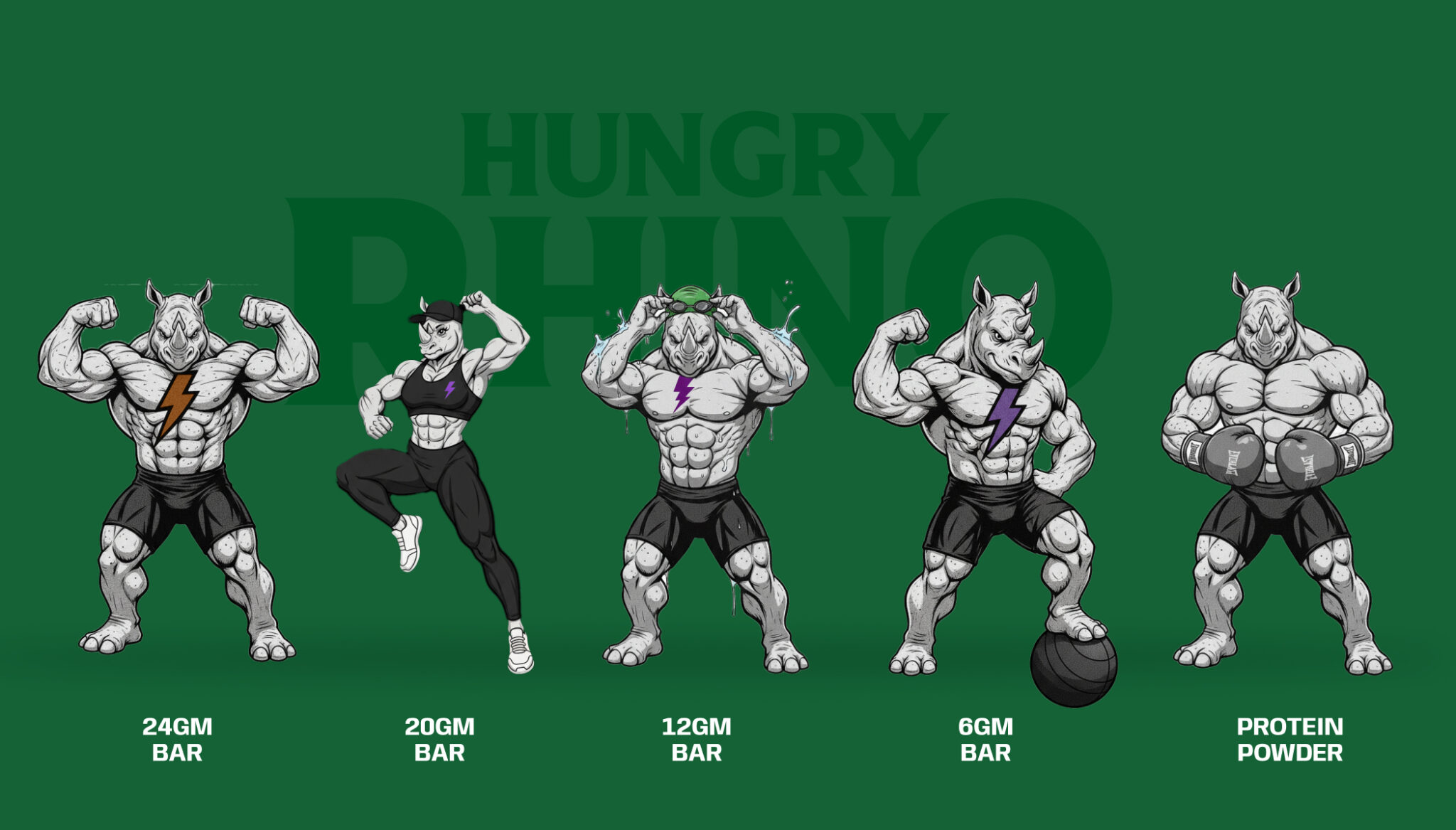


What Is a Brand Narrative?
A brand narrative is the overarching story that explains who your brand is, why it exists, what it stands for, and the value it brings to people’s lives. It goes beyond promoting products or services, it communicates your purpose, values, and vision in a way that creates a meaningful connection with your audience.
Unlike a one-time marketing campaign or an “About Us” page, a brand narrative is an ongoing story that influences every interaction customers have with your business. It shapes your messaging, guides your marketing efforts, and helps customers understand not just what you sell, but why they should care.
At its core, a compelling brand narrative answers four essential questions:
- Who are you? Define your brand’s identity and personality.
- Why do you exist? Share the purpose or mission behind your business.
- Who do you serve? Identify the audience and the challenges they face.
- How do you make a difference? Explain the transformation or value customers experience through your products or services.
When these elements come together, they create a story that feels authentic, memorable, and emotionally engaging.
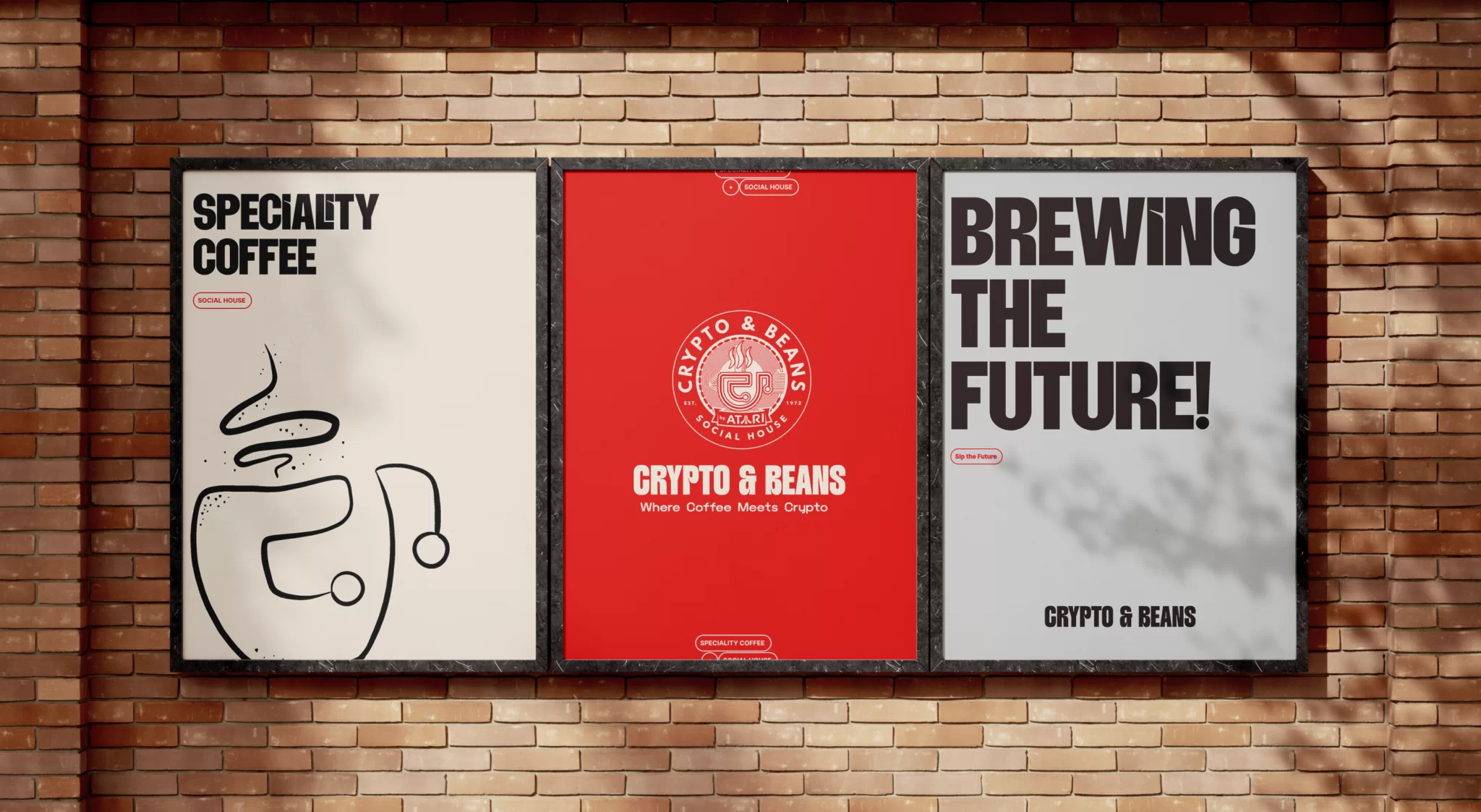
Explore the Branding behind the Crypto bean.
Brand Narrative vs. Brand Story
Although the terms are often used interchangeably, they have different meanings.
A brand story usually focuses on the company’s origin, how it started, the inspiration behind its creation, or the founder’s journey. It often highlights significant milestones and challenges that shaped the business.
A brand narrative, on the other hand, is broader and more dynamic. It includes the brand’s history but also communicates its mission, values, customer promise, and long-term vision. Instead of being limited to the past, a brand narrative evolves as the business grows and continues to involve customers in its journey.
For example, a coffee company’s brand story might explain how the founder discovered ethically sourced coffee while traveling. Its brand narrative expands on that by emphasizing its commitment to supporting farmers, promoting sustainability, and helping customers enjoy premium coffee while making a positive social impact.
Brand Narrative vs. Mission Statement
A mission statement is a concise declaration of a company’s purpose and goals. It provides internal direction and communicates what the business aims to achieve.
A brand narrative takes that mission and transforms it into an engaging story that people can relate to emotionally. While a mission statement tells customers what your company believes, the narrative shows how those beliefs are reflected in your actions and the experiences you create.
For instance:
- Mission Statement: “To make healthy food accessible to everyone.”
- Brand Narrative: “We believe everyone deserves nutritious meals without sacrificing convenience or affordability. That’s why we partner with local farmers, use fresh ingredients, and create products that help busy families eat healthier every day.”
The mission is informative; the narrative is persuasive and memorable.
Why Every Brand Needs a Narrative
Today’s consumers are looking for more than products, they’re looking for brands they can trust and identify with. A compelling brand narrative helps your business stand out by creating emotional relevance rather than competing solely on price or features.
A strong narrative can:
- Build trust by communicating authenticity and transparency.
- Differentiate your brand in competitive markets.
- Create emotional connections that encourage customer loyalty.
- Make your marketing more consistent across all channels.
- Inspire employees and stakeholders around a shared purpose.
Whether you’re a startup trying to establish credibility or an established business seeking deeper customer relationships, a clear brand narrative gives your audience a reason to choose, and stay with, your brand.
Ultimately, a brand narrative isn’t just about telling your story; it’s about inviting customers to become part of it. When people see their own goals, values, or aspirations reflected in your brand’s journey, they develop stronger emotional connections that drive long-term engagement and business growth.
Why a Compelling Brand Narrative Is Essential Today
In today’s digital-first world, consumers have more choices than ever before. With just a few clicks, they can compare products, read reviews, and switch to a competitor offering a better experience or stronger values. In such a competitive environment, product quality and pricing alone are no longer enough to build lasting customer relationships. What often sets successful brands apart is the story they tell and the emotional connection they create.
A compelling brand narrative gives people a reason to choose your brand beyond its products or services. It communicates your purpose, demonstrates your values, and helps customers understand how your brand fits into their lives. Instead of focusing solely on transactions, it builds relationships based on trust, authenticity, and shared beliefs.
Builds Trust Through Authenticity
Trust is one of the most valuable assets a brand can earn. Customers are more likely to buy from businesses they perceive as honest, transparent, and consistent. A compelling brand narrative showcases the people, purpose, and principles behind your business, making your brand feel more human and relatable.
When brands openly share their journey, challenges, and commitment to delivering value, they create credibility. Customers appreciate authenticity because it signals that a business is driven by more than just profits. This trust becomes especially important in industries where consumers have many similar options to choose from.
Creates Emotional Connections
People often make purchasing decisions based on emotions and then justify them with logic. A compelling brand narrative taps into these emotions by addressing customers’ aspirations, frustrations, and values.
For example, instead of simply selling fitness equipment, a brand might inspire customers to pursue healthier lifestyles and achieve personal goals. Rather than promoting skincare products alone, a company can focus on confidence, self-care, and well-being. These emotional messages resonate more deeply than product features because they reflect what customers truly care about.
When people feel emotionally connected to a brand, they are more likely to become repeat customers, recommend the business to others, and remain loyal even when competitors offer similar products.
Differentiates Your Brand in Competitive Markets
Many industries offer products with similar features, pricing, and quality. In these situations, a compelling brand narrative becomes a powerful differentiator.
Your story highlights what makes your business unique, your purpose, values, experiences, and perspective. While competitors can replicate products or services, they cannot replicate your brand’s identity or the authentic experiences that shaped it.
A distinctive narrative helps customers remember your brand and understand why it deserves their attention. Instead of competing solely on discounts or promotions, you compete on meaning and connection.
Strengthens Customer Loyalty
Loyal customers are built through relationships, not transactions. A compelling brand narrative gives customers a reason to stay engaged because they feel connected to your mission and values.
When customers believe in what your brand stands for, they become more than buyers, they become advocates. They share your content, recommend your products, leave positive reviews, and contribute to your community. This kind of loyalty is difficult to achieve through advertising alone.
Over time, these loyal customers generate repeat business, reduce acquisition costs, and strengthen your brand’s reputation.
Improves Marketing Consistency
Without a clear narrative, marketing messages can become inconsistent across different platforms. Your website may emphasize affordability, while your social media focuses on innovation and your advertisements highlight convenience. Mixed messages confuse customers and weaken brand identity.
A compelling brand narrative acts as a foundation for all communication. It ensures that every blog post, social media update, email campaign, advertisement, and customer interaction reinforces the same purpose and values. This consistency builds recognition and helps customers develop confidence in your brand.
Supports Long-Term Business Growth
A strong brand narrative is not just a marketing tool, it is a long-term business asset. As your company grows, launches new products, or enters new markets, your narrative provides a consistent direction that keeps your messaging aligned with your core purpose.
It also attracts employees, investors, and business partners who share your vision. People are more likely to support organizations with a clear mission and authentic values than businesses focused solely on short-term profits.
By creating trust, emotional engagement, and customer loyalty, a compelling brand narrative contributes to sustainable growth and helps your business remain relevant in an ever-changing marketplace.
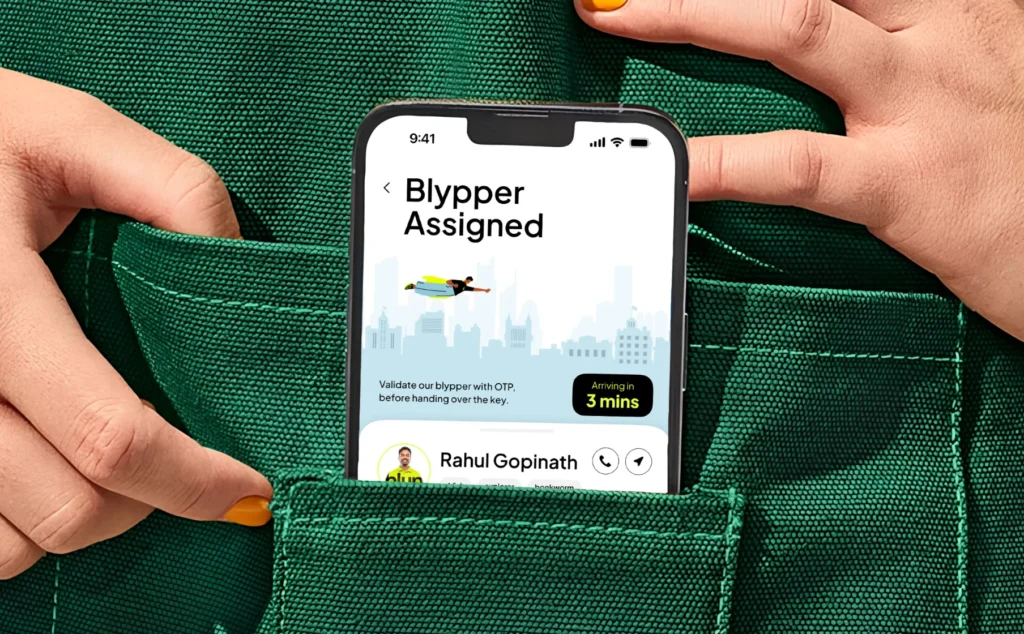
Explore the Branding behind the Blyp.
The Core Elements of a Powerful Brand Narrative
A compelling brand narrative doesn’t happen by chance. It is built on a set of core elements that work together to create a story people believe, remember, and connect with. Whether you’re a startup, a personal brand, or an established business, these building blocks help ensure your narrative is authentic, consistent, and impactful.
Let’s explore the essential components of a powerful brand narrative.
01. A Clear Purpose
Every memorable brand begins with a purpose that goes beyond making profits. Your purpose explains why your business exists and the positive impact you want to create for your customers or society.
Purpose answers questions such as:
- What inspired you to start your business?
- What problem are you passionate about solving?
- What change do you want to make in your industry or community?
A clear purpose gives customers something meaningful to believe in. Instead of simply selling products, you’re inviting people to support a mission they care about.
Example:
A sustainable clothing brand doesn’t just sell apparel, it aims to reduce fashion waste and encourage environmentally responsible consumer choices.
02. A Deep Understanding of Your Audience
The best brand narratives aren’t centered on the company, they’re centered on the customer. To create a story that resonates, you need to understand who your audience is, what they value, and the challenges they face.
Ask yourself:
- Who is my ideal customer?
- What are their goals and aspirations?
- What problems are they trying to solve?
- What motivates their purchasing decisions?
When your narrative reflects your audience’s needs and ambitions, customers are more likely to see themselves in your story.
Tip: Create detailed customer personas using demographics, interests, behaviors, pain points, and motivations to better tailor your messaging.
03. Authentic Values
Modern consumers expect brands to be genuine and transparent. Clearly communicating your values helps people understand what your business stands for and whether those principles align with their own.
Your values might include:
- Innovation
- Sustainability
- Integrity
- Diversity and inclusion
- Customer-first service
- Community support
- Quality craftsmanship
However, simply listing values isn’t enough. They should be demonstrated through your actions, decisions, customer experience, and business practices.
For example, if your brand claims to value sustainability, your packaging, sourcing, and operations should consistently reflect that commitment.
04. The Customer’s Challenge
Every compelling story involves a challenge or conflict. In a brand narrative, the challenge belongs to your customer, not your company.
Think about the obstacles your audience faces:
- Limited time
- High costs
- Lack of confidence
- Complex technology
- Health concerns
- Environmental issues
By acknowledging these pain points, you show empathy and demonstrate that you understand your customers’ real-world struggles.
A narrative without a clear challenge often feels generic because it doesn’t address why customers need your brand in the first place.
05. Your Brand as the Guide
One of the biggest storytelling mistakes businesses make is positioning themselves as the hero. In reality, the customer should be the hero, while your brand plays the role of a trusted guide that helps them succeed.
Your role is to provide:
- Expertise
- Support
- Tools
- Products
- Solutions
- Encouragement
This approach shifts the focus from self-promotion to customer empowerment.
Instead of saying:
“We are the industry’s leading software company.”
Say:
“We help small businesses simplify operations so they can focus on growth.”
Customers connect more with brands that help them achieve their goals than with brands that only talk about themselves.
06. A Meaningful Transformation
Every great story has an ending that reflects growth or positive change. Your brand narrative should clearly show how customers’ lives improve after engaging with your products or services.
Highlight transformations such as:
- Increased confidence
- Better productivity
- Improved health
- Financial savings
- Greater convenience
- Peace of mind
- Business growth
People don’t buy products, they buy the outcomes those products help them achieve.
Instead of emphasizing features, focus on the value and transformation customers experience.
07. A Distinctive Brand Voice
Your narrative isn’t just about what you say, it’s also about how you say it.
Your brand voice should reflect your personality and remain consistent across all communication channels.
Common brand voice styles include:
- Friendly and conversational
- Professional and authoritative
- Inspirational and motivational
- Playful and humorous
- Luxury and sophisticated
- Bold and innovative
A consistent voice helps customers recognize your brand whether they’re reading a blog post, browsing your website, receiving an email, or interacting on social media.
08. Consistency Across Every Touchpoint
Even the strongest narrative loses impact if it’s inconsistent. Customers should encounter the same story, values, and messaging wherever they interact with your brand.
Consistency should extend across:
- Website content
- Social media platforms
- Email marketing
- Advertising campaigns
- Product packaging
- Customer support
- Sales presentations
When every touchpoint reinforces the same narrative, your brand becomes more recognizable, trustworthy, and memorable.
Bringing the Elements Together
A powerful brand narrative isn’t built around clever slogans or flashy campaigns, it’s built around authenticity, purpose, and the customer’s journey. When you combine a clear purpose, a deep understanding of your audience, authentic values, empathy for customer challenges, meaningful transformation, a distinctive voice, and consistent messaging, you create a narrative that inspires trust and lasting loyalty.
Think of your brand narrative as the thread that connects every aspect of your business. It’s the story that explains why you exist, how you help people, and why customers should choose your brand over countless alternatives. When these core elements work together, your narrative becomes more than a marketing message, it becomes the foundation of a strong, recognizable, and enduring brand.

Explore the Branding behind the Shivam.
How to Craft a Brand Narrative Step by Step
Creating a compelling brand narrative isn’t about inventing a fictional story or writing a clever slogan. It’s about uncovering the authentic purpose behind your business and communicating it in a way that resonates with your audience. A well-crafted narrative aligns your mission, values, and customer experience into one cohesive story that guides every aspect of your branding and marketing.
Follow these seven practical steps to build a brand narrative that connects, builds trust, and supports long-term business growth.
Step 1: Discover Your Brand’s “Why”
Every powerful brand narrative begins with a clear purpose. Before you talk about what you sell or how your products work, identify why your business exists.
Ask yourself questions like:
- Why did I start this business?
- What problem am I passionate about solving?
- What motivates my team every day?
- What impact do I want to make on customers or society?
Your “why” should go beyond financial goals. It should reflect the deeper mission that inspires your work and differentiates your brand.
Example:
Instead of saying:
“We sell eco-friendly cleaning products.”
Say:
“We believe every family deserves a clean home without harming the planet, so we create safe and sustainable cleaning solutions.”
A purpose-driven message creates a stronger emotional connection than a product-focused statement.
Step 2: Understand Your Audience
Your brand narrative should focus on your customers, not your company. To create a story that resonates, you need a deep understanding of your audience’s needs, motivations, and challenges.
Research your audience by identifying:
- Demographics (age, location, occupation)
- Interests and lifestyle
- Goals and aspirations
- Pain points and frustrations
- Buying behavior
- Preferred communication channels
You can gather these insights through customer surveys, interviews, online reviews, social media conversations, and website analytics.
Ask yourself:
- What problems are my customers trying to solve?
- What motivates them to choose one brand over another?
- What emotions influence their purchasing decisions?
The better you understand your audience, the easier it becomes to tell a story that reflects their experiences and aspirations.
Step 3: Define the Problem You Solve
Every memorable story revolves around overcoming a challenge. In your brand narrative, the customer faces the challenge, and your brand helps them overcome it.
Clearly define:
- The problem your customers experience
- Why that problem matters
- The consequences of leaving it unsolved
Avoid focusing only on product features. Instead, explain how your business improves people’s lives.
Example:
Instead of:
“Our software automates accounting.”
Focus on the customer benefit:
“Small business owners spend countless hours managing finances instead of growing their companies. Our software simplifies accounting so they can focus on what they do best.”
This approach makes your narrative more relatable and customer-centric.
Step 4: Show the Transformation
Customers don’t buy products, they buy outcomes. Your narrative should paint a clear picture of how customers’ lives improve after choosing your brand.
Highlight the transformation they experience.
For example:
Before using your product:
- Overwhelmed
- Frustrated
- Confused
- Time-constrained
- Uncertain
After using your product:
- Confident
- Productive
- Organized
- Healthier
- More successful
- Less stressed
Describe this transformation in emotional as well as practical terms.
Example:
Instead of saying:
“Our project management tool has advanced features.”
Say:
“Our platform helps teams collaborate effortlessly, meet deadlines with confidence, and spend more time delivering exceptional work instead of managing endless spreadsheets.”
People remember stories of transformation far more than lists of features.
Step 5: Develop a Distinctive Brand Voice
How you tell your story is just as important as the story itself. Your brand voice shapes how people perceive your personality and values.
Choose a voice that reflects your audience and industry.
For example:
- Friendly and conversational
- Professional and informative
- Inspirational and motivational
- Bold and innovative
- Luxurious and refined
- Playful and energetic
Once you’ve established your voice, use it consistently across:
- Website content
- Blog articles
- Social media
- Email campaigns
- Advertisements
- Customer support
- Product descriptions
Consistency helps build familiarity and strengthens brand recognition.
Step 6: Tell Your Story Across Every Customer Touchpoint
Your brand narrative should not be confined to your “About Us” page. It should influence every interaction customers have with your business.
Apply your narrative consistently across:
- Your website homepage
- Product and service pages
- Social media content
- Email newsletters
- Advertising campaigns
- Video marketing
- Customer onboarding
- Sales presentations
- Packaging and unboxing experiences
- Customer service interactions
Every touchpoint should reinforce the same purpose, values, and promise.
When customers receive consistent messages everywhere they engage with your brand, trust naturally grows.
Step 7: Refine Your Narrative Over Time
A brand narrative isn’t static. As your business evolves, your story should evolve too.
Regularly evaluate whether your narrative still reflects:
- Customer expectations
- Market trends
- New products or services
- Company values
- Business goals
Collect feedback through:
- Customer interviews
- Surveys
- Social media engagement
- Online reviews
- Sales conversations
- Employee insights
Use this feedback to strengthen your messaging while staying true to your core purpose.
Remember, refinement doesn’t mean changing your identity, it means improving how you communicate it.

Explore the Branding behind the Diamensions.
Brand Narrative Framework at a Glance
You can use this simple framework when crafting your own narrative:
| Element | Key Question |
| Purpose | Why does your brand exist? |
| Audience | Who are you helping? |
| Challenge | What problem do they face? |
| Solution | How does your brand help? |
| Transformation | What positive outcome do customers experience? |
| Values | What principles guide your business? |
| Voice | How should your brand communicate? |
| Consistency | How will your story remain unified across every channel? |
Examples of Successful Brand Narratives
One of the best ways to understand the power of a compelling brand narrative is to examine how successful companies use storytelling to connect with their audiences. These brands don’t simply promote products,
They communicate a purpose, inspire emotions, and invite customers to become part of a larger mission. While their industries and audiences differ, they all share one common trait: their narratives consistently reinforce who they are, what they stand for, and how they improve people’s lives.
Here are five brands that have built powerful narratives and the lessons businesses of any size can learn from them.
01. Nike: Inspiring Every Athlete to Push Their Limits
Nike’s brand narrative is built around empowerment, determination, and the belief that everyone has the potential to achieve greatness. Rather than focusing solely on athletic shoes or sportswear, Nike tells stories of perseverance, resilience, and personal achievement.
Its campaigns often feature athletes overcoming physical, mental, or social challenges, reinforcing the message that success comes through dedication and courage. The iconic slogan, “Just Do It,” supports this narrative by encouraging people to take action regardless of obstacles.
Why It Works
- Focuses on inspiration instead of products.
- Makes customers feel capable and motivated.
- Appeals to both professional athletes and everyday individuals.
- Reinforces a consistent message across advertising, social media, and sponsorships.
Key Lesson: Sell the transformation your customers want, not just the product they need.
02. Apple: Empowering Creativity Through Innovation
Apple has created one of the world’s most recognizable brand narratives by positioning itself as a champion of creativity, innovation, and simplicity. Instead of emphasizing technical specifications, Apple focuses on how its products help people create, communicate, and solve problems.
From entrepreneurs and designers to students and filmmakers, Apple’s messaging consistently highlights the possibilities its technology enables. Its clean design, intuitive user experience, and minimalist marketing all reinforce the same narrative.
Why It Works
- Centers on customer experiences rather than product features.
- Builds an emotional connection through creativity and self-expression.
- Maintains remarkable consistency across every customer touchpoint.
- Creates a loyal community that identifies with the brand’s values.
Key Lesson: Show customers how your product improves their lives instead of simply listing its features.
03. Patagonia: Business With a Purpose
Patagonia has built its brand narrative around environmental responsibility and sustainable business practices. The company openly advocates for protecting natural resources and encourages customers to make environmentally conscious choices.
Its storytelling goes beyond selling outdoor clothing. Patagonia shares stories about conservation efforts, responsible manufacturing, and environmental activism. It even encourages customers to repair products instead of replacing them, reinforcing its commitment to reducing waste.
Why It Works
- Aligns business practices with stated values.
- Demonstrates authenticity through actions rather than words.
- Attracts customers who share similar environmental concerns.
- Builds long-term trust through transparency.
Key Lesson: Authenticity strengthens your narrative when your actions consistently support your values.
04 Airbnb: Creating a Sense of Belonging
Airbnb transformed the travel industry by focusing its brand narrative on connection and belonging rather than accommodation. Instead of simply offering places to stay, Airbnb encourages travelers to experience destinations like locals and build meaningful connections with hosts and communities.
Its storytelling highlights real experiences, cultural exchange, and memorable journeys, making travel feel more personal and inclusive.
Why It Works
- Focuses on experiences instead of transactions.
- Uses authentic customer stories to build credibility.
- Appeals to emotions such as curiosity, adventure, and connection.
- Creates a global community around shared experiences.
Key Lesson: Help customers imagine the experiences your brand makes possible, not just the services you provide.
05. Dove: Redefining Beauty Through Confidence
Dove’s brand narrative goes far beyond skincare and personal care products. Through campaigns such as the Real Beauty initiative, Dove challenges unrealistic beauty standards and promotes self-confidence, inclusivity, and body positivity.
Rather than relying on traditional advertising, Dove shares stories of real people and encourages conversations about self-esteem and representation. This approach has helped the brand build strong emotional connections with audiences around the world.
Why It Works
- Addresses a meaningful social issue.
- Creates emotional relevance beyond product benefits.
- Aligns campaigns with the brand’s long-term purpose.
- Builds trust through inclusive and authentic messaging.
Key Lesson: A brand narrative becomes more powerful when it reflects values that genuinely matter to your audience.

Explore the Branding behind the Blyp.
What These Brand Narratives Have in Common
Although these companies operate in different industries, their success reveals several shared principles:
| Brand | Core Narrative | Customer Benefit |
| Nike | Empowerment and perseverance | Inspires people to achieve their goals |
| Apple | Creativity and innovation | Helps users create, communicate, and innovate |
| Patagonia | Environmental responsibility | Enables customers to support sustainable living |
| Airbnb | Belonging and community | Makes travel more personal and meaningful |
| Dove | Confidence and inclusivity | Encourages self-esteem and authentic beauty |
Each of these brands places the customer at the center of the story. Rather than positioning themselves as the hero, they act as enablers that help people overcome challenges, achieve aspirations, or express their values.
Common Mistakes That Weaken Brand Narratives
A compelling brand narrative has the power to build trust, strengthen customer relationships, and differentiate your business from competitors. However, even well-intentioned brands can undermine their stories by making common mistakes that confuse audiences or reduce credibility.
Understanding these pitfalls can help you create a narrative that is authentic, consistent, and customer-focused.
01. Making Your Brand the Hero
One of the most common mistakes is focusing too much on the company instead of the customer. Many businesses fill their messaging with statements about their achievements, awards, and products without explaining how they improve customers’ lives.
A strong brand narrative positions the customer as the hero and your brand as the trusted guide that helps them overcome challenges and achieve their goals.
Instead of saying:
“We are the industry’s leading software provider.”
Say:
“We help businesses simplify their workflows so they can save time, reduce stress, and focus on growth.”
When customers see themselves in your story, they’re more likely to connect with your brand.
02. Lacking Authenticity
Today’s consumers can quickly recognize messaging that feels exaggerated, insincere, or disconnected from reality. Making promises you can’t keep or claiming values that aren’t reflected in your actions can damage your reputation.
Authenticity comes from aligning your words with your behavior.
For example, if your brand promotes sustainability, customers expect environmentally responsible packaging, ethical sourcing, and transparent business practices, not just marketing claims.
Tip: Share real stories, customer experiences, and genuine business values instead of relying on overly polished or promotional messaging.
03. Inconsistent Messaging Across Channels
Your website, social media, advertisements, email campaigns, and customer service should all communicate the same core story.
When messaging varies across platforms, customers may become confused about what your brand truly stands for.
For example:
- Your website emphasizes premium quality.
- Your social media focuses only on discounts.
- Your advertisements highlight affordability.
- Your customer service promises something different.
These mixed messages weaken your brand identity and reduce trust.
Solution: Develop clear brand guidelines that define your mission, values, tone of voice, and key messaging to ensure consistency across every touchpoint.
04. Ignoring Your Audience’s Needs
Some businesses spend so much time talking about themselves that they overlook what their audience actually wants.
Your narrative should answer questions like:
- What challenges do customers face?
- What goals are they trying to achieve?
- How does your brand improve their lives?
When your story addresses customer pain points and aspirations, it becomes more relevant and emotionally engaging.
Always remember that customers care less about your company’s history and more about how you can help solve their problems.
05. Overcomplicating the Story
A brand narrative doesn’t need to be lengthy or filled with industry jargon. Complex messaging makes it harder for customers to understand your purpose and remember your brand.
Keep your narrative:
- Clear
- Simple
- Authentic
- Easy to understand
- Focused on one central message
A concise story is often more memorable than one overloaded with unnecessary details.Focusing Only on Products and Features
Products evolve, competitors catch up, and features become outdated. If your narrative revolves solely around what you sell, it may lose relevance over time.
Instead of emphasizing technical specifications, highlight the outcomes your customers achieve.
Feature-focused message:
“Our laptop has a faster processor.”
Benefit-focused narrative:
“Our laptop helps professionals work faster, stay productive, and bring their ideas to life wherever they are.”
People connect more with the value a product creates than with the product itself.
07. Failing to Evolve as Your Brand Grows
A brand narrative should remain true to your purpose while adapting to changes in your business and audience.
As your company expands, launches new products, or enters new markets, review your narrative to ensure it still reflects:
- Your mission
- Customer expectations
- Industry trends
- Business goals
Updating your messaging doesn’t mean abandoning your identity, it means ensuring your story remains relevant and meaningful.
How to Avoid These Mistakes
Creating a strong brand narrative requires ongoing attention and refinement. Here are a few best practices:
- Put the customer at the center of your story.
- Stay honest and transparent in your messaging.
- Align your actions with your stated values.
- Keep your communication clear and consistent.
- Focus on the transformation you help customers achieve.
- Regularly gather customer feedback and refine your narrative as your business evolves.
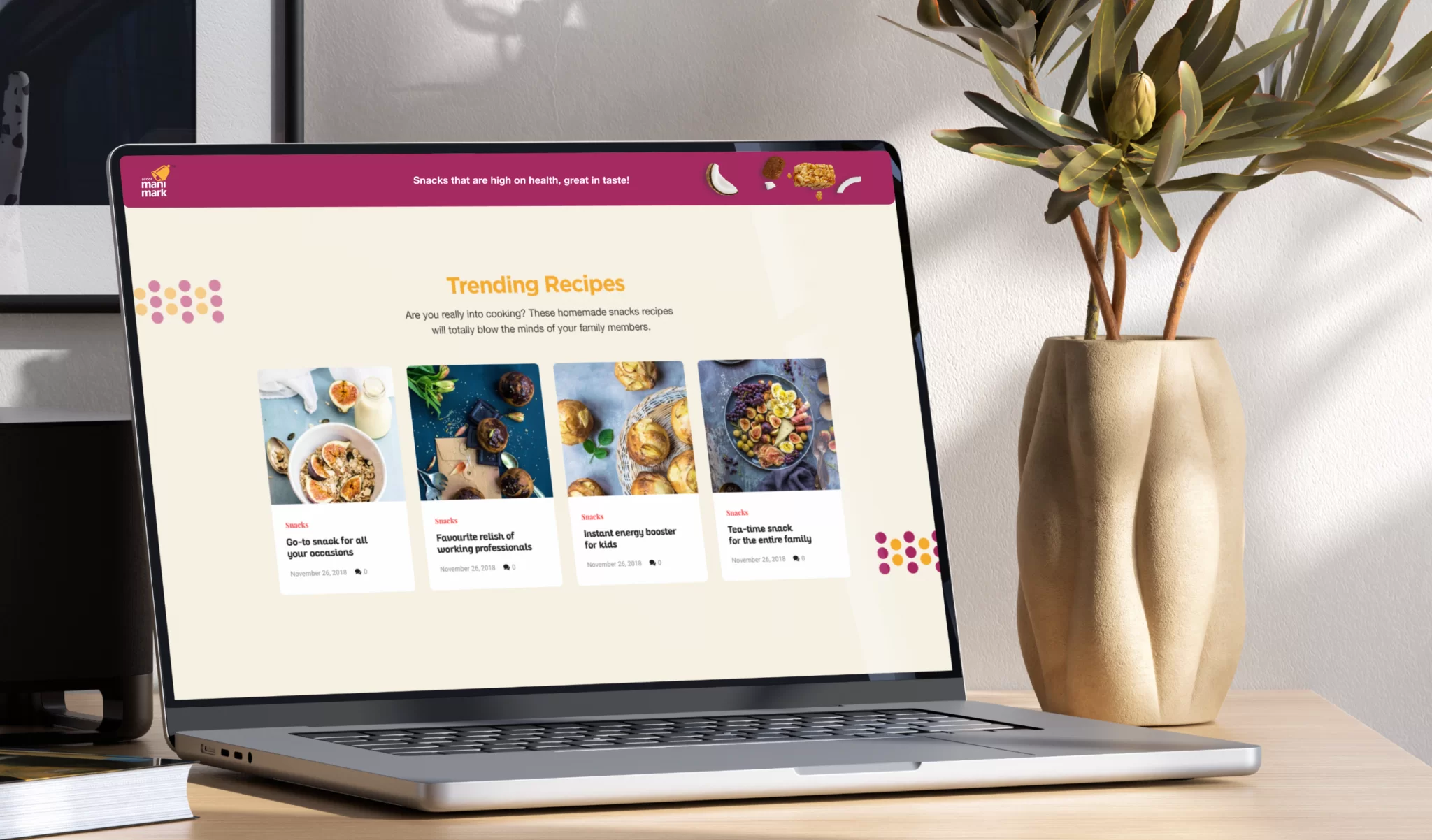
Explore the Branding behind the Mani Mark
Tips for Keeping Your Brand Narrative Consistent Across Channels
Crafting a compelling brand narrative is only the beginning. To build trust and strengthen brand recognition, your story must remain consistent wherever customers interact with your business. Whether someone visits your website, follows your social media accounts, reads your emails, or speaks with your customer support team, they should experience the same values, personality, and messaging.
Consistency doesn’t mean repeating the exact same words on every platform. Instead, it means communicating the same core story while adapting the format and tone to suit each channel. When your brand narrative is consistent, customers are more likely to recognize, trust, and remember your business.
Develop Clear Brand Guidelines
A well-documented brand guide helps everyone in your organization communicate the same message. It should define your brand’s purpose, mission, values, tone of voice, key messaging, visual identity, and storytelling principles.
Your guidelines should include:
- Brand mission and purpose
- Core values
- Target audience
- Brand voice and tone
- Key messaging and value proposition
- Logo, colors, typography, and visual style
- Content and communication standards
Providing these guidelines ensures that employees, marketers, designers, and external partners represent your brand consistently.
Adapt Your Story to Each Platform
Different communication channels serve different purposes, but your core narrative should remain the same.
For example:
- Website: Clearly communicate your mission, values, and customer promise.
- Blog: Share educational content and customer success stories that reinforce your expertise.
- Social Media: Highlight your personality, engage with your community, and showcase your values through authentic content.
- Email Marketing: Deliver personalized messages that strengthen relationships and build trust.
- Advertising: Focus on emotional benefits that align with your brand narrative rather than simply promoting products.
- Customer Support: Reflect your brand values through helpful, respectful, and empathetic interactions.
Each channel offers a unique way to express your story while maintaining a unified brand identity.
Maintain a Consistent Brand Voice
Your brand voice should remain recognizable across every customer touchpoint.
Whether your tone is professional, conversational, inspirational, or playful, customers should feel they are interacting with the same brand every time.
To maintain consistency:
- Use similar language and messaging across platforms.
- Avoid switching between formal and casual styles without purpose.
- Train team members on your communication standards.
- Review content regularly to ensure it aligns with your brand voice.
A consistent voice helps build familiarity and reinforces your brand personality.
Reinforce Your Values Through Actions
Customers judge brands not only by what they say but also by what they do. Your narrative becomes more credible when your actions consistently reflect your stated values.
For example:
- If you emphasize sustainability, use environmentally friendly packaging and responsible sourcing.
- If you promote exceptional customer service, ensure every support interaction reflects that commitment.
- If innovation is a core value, continually improve your products and communicate those advancements.
Authentic actions strengthen trust and make your narrative more believable.
Encourage Employees to Tell the Same Story
Your employees are among your brand’s most important storytellers. Whether they work in sales, marketing, customer service, or operations, their interactions shape customer perceptions.
Help employees communicate your narrative by:
- Providing brand storytelling training.
- Sharing your mission and values regularly.
- Creating internal messaging guidelines.
- Encouraging employees to embody your brand values in daily interactions.
When your team understands and believes in your narrative, they naturally reinforce it in every customer experience.
Use Customer Stories to Strengthen Your Narrative
One of the most effective ways to make your brand narrative authentic is to let customers tell part of the story.
Share:
- Testimonials
- Case studies
- Success stories
- Reviews
- User-generated content
Real customer experiences provide social proof and demonstrate how your products or services create meaningful transformation.
Instead of simply claiming your brand delivers value, show real examples of the difference you’ve made.
Regularly Review and Refine Your Messaging
Markets, customer expectations, and business goals evolve over time. Regularly evaluate your messaging to ensure it remains relevant and aligned with your purpose.
Review your brand narrative by asking:
- Does it still reflect our mission and values?
- Does it address our customers’ current needs?
- Is our messaging consistent across all channels?
- Are employees communicating the same story?
- Does our customer experience support our narrative?
Collect feedback through customer surveys, analytics, social media engagement, and team discussions to identify opportunities for improvement.
Best Practices for Consistent Brand Storytelling
Follow these practices to keep your narrative strong across every platform:
- Define a clear purpose and mission.
- Create detailed brand guidelines.
- Use a consistent tone of voice.
- Focus on customer needs and outcomes.
- Align your actions with your stated values.
- Share authentic customer success stories.
- Train employees to communicate the same message.
- Review and refine your narrative regularly

Explore the Branding behind the Sukkubhai
Tips for Keeping Your Brand Narrative Consistent Across Channels
Crafting a compelling brand narrative is only the beginning. To build trust and strengthen brand recognition, your story must remain consistent wherever customers interact with your business. Whether someone visits your website, follows your social media accounts, reads your emails, or speaks with your customer support team, they should experience the same values, personality, and messaging.
Consistency doesn’t mean repeating the exact same words on every platform. Instead, it means communicating the same core story while adapting the format and tone to suit each channel. When your brand narrative is consistent, customers are more likely to recognize, trust, and remember your business.
Develop Clear Brand Guidelines
A well-documented brand guide helps everyone in your organization communicate the same message. It should define your brand’s purpose, mission, values, tone of voice, key messaging, visual identity, and storytelling principles.
Your guidelines should include:
- Brand mission and purpose
- Core values
- Target audience
- Brand voice and tone
- Key messaging and value proposition
- Logo, colors, typography, and visual style
- Content and communication standards
Providing these guidelines ensures that employees, marketers, designers, and external partners represent your brand consistently.
Adapt Your Story to Each Platform
Different communication channels serve different purposes, but your core narrative should remain the same.
For example:
- Website: Clearly communicate your mission, values, and customer promise.
- Blog: Share educational content and customer success stories that reinforce your expertise.
- Social Media: Highlight your personality, engage with your community, and showcase your values through authentic content.
- Email Marketing: Deliver personalized messages that strengthen relationships and build trust.
- Advertising: Focus on emotional benefits that align with your brand narrative rather than simply promoting products.
- Customer Support: Reflect your brand values through helpful, respectful, and empathetic interactions.
Each channel offers a unique way to express your story while maintaining a unified brand identity.
Maintain a Consistent Brand Voice
Your brand voice should remain recognizable across every customer touchpoint.
Whether your tone is professional, conversational, inspirational, or playful, customers should feel they are interacting with the same brand every time.
To maintain consistency:
- Use similar language and messaging across platforms.
- Avoid switching between formal and casual styles without purpose.
- Train team members on your communication standards.
- Review content regularly to ensure it aligns with your brand voice.
A consistent voice helps build familiarity and reinforces your brand personality.
Reinforce Your Values Through Actions
Customers judge brands not only by what they say but also by what they do. Your narrative becomes more credible when your actions consistently reflect your stated values.
For example:
- If you emphasize sustainability, use environmentally friendly packaging and responsible sourcing.
- If you promote exceptional customer service, ensure every support interaction reflects that commitment.
- If innovation is a core value, continually improve your products and communicate those advancements.
Authentic actions strengthen trust and make your narrative more believable.
Encourage Employees to Tell the Same Story
Your employees are among your brand’s most important storytellers. Whether they work in sales, marketing, customer service, or operations, their interactions shape customer perceptions.
Help employees communicate your narrative by:
- Providing brand storytelling training.
- Sharing your mission and values regularly.
- Creating internal messaging guidelines.
- Encouraging employees to embody your brand values in daily interactions.
When your team understands and believes in your narrative, they naturally reinforce it in every customer experience.
Use Customer Stories to Strengthen Your Narrative
One of the most effective ways to make your brand narrative authentic is to let customers tell part of the story.
Share:
- Testimonials
- Case studies
- Success stories
- Reviews
- User-generated content
Real customer experiences provide social proof and demonstrate how your products or services create meaningful transformation.
Instead of simply claiming your brand delivers value, show real examples of the difference you’ve made.
Regularly Review and Refine Your Messaging
Markets, customer expectations, and business goals evolve over time. Regularly evaluate your messaging to ensure it remains relevant and aligned with your purpose.
Review your brand narrative by asking:
- Does it still reflect our mission and values?
- Does it address our customers’ current needs?
- Is our messaging consistent across all channels?
- Are employees communicating the same story?
- Does our customer experience support our narrative?
Collect feedback through customer surveys, analytics, social media engagement, and team discussions to identify opportunities for improvement.
Best Practices for Consistent Brand Storytelling
Follow these practices to keep your narrative strong across every platform:
- Define a clear purpose and mission.
- Create detailed brand guidelines.
- Use a consistent tone of voice.
- Focus on customer needs and outcomes.
- Align your actions with your stated values.
- Share authentic customer success stories.
- Train employees to communicate the same message.
- Review and refine your narrative regularly.

Explore the Branding behind the Renewable corp
Final Thoughts
Crafting a compelling brand narrative is an ongoing process of understanding your purpose, empathizing with your audience, and communicating your value with clarity and authenticity. Rather than trying to convince people to buy, focus on helping them see how your brand fits into their lives and supports their goals.
When your narrative is built around purpose, customer transformation, and consistent messaging, it becomes far more than a marketing tool, it becomes the foundation of your brand identity. Over time, this authentic story strengthens trust, fosters loyalty, differentiates your business from competitors, and creates lasting relationships that drive sustainable growth.

Akshita Shivani Sundar
Senior Graphic Designer