


Introduction
A strong brand is more than a recognizable logo or an attractive color palette, it is the complete identity that shapes how customers perceive and remember a business. Brand identity combines your company’s purpose, values, personality, messaging, and visual elements into a consistent experience that helps people understand who you are and what you stand for.
Developing a clear brand identity is one of the most important investments a business can make. It creates recognition, builds trust, strengthens customer relationships, and differentiates your business from competitors. Whether you’re launching a startup, growing a small business, or refreshing an established company, a well-crafted brand identity provides the foundation for long-term success.

Explore the Branding behind the Diamensions.
What Is Brand Identity Development?
Brand identity development is the strategic process of creating the visual, verbal, and emotional characteristics that define a brand. It involves identifying your business goals, understanding your audience, defining your values, and designing a consistent look and feel across every customer touchpoint.
Every interaction, whether it’s your website, social media, packaging, advertisements, or customer service, contributes to your overall brand identity.
Why a Strong Brand Identity Matters
Customers are more likely to trust and remember businesses that communicate a consistent message and present a professional image. A strong brand identity helps establish credibility while making your business easier to recognize in a competitive marketplace.
A well-developed brand identity can help you:
- Build customer trust and credibility
- Increase brand recognition
- Stand out from competitors
- Create emotional connections with customers
- Improve customer loyalty
- Support long-term business growth
Benefits of Building a Consistent Brand
Consistency is one of the defining characteristics of successful brands. When your visuals, messaging, tone of voice, and customer experience align across every platform, customers become more familiar with your business and develop greater confidence in your brand.
Some of the biggest benefits include:
- Stronger brand awareness
- Better customer engagement
- Higher perceived value
- More effective marketing campaigns
- Increased customer retention
- Greater business credibility
01. Understanding Brand Identity
Before building your brand, it’s important to understand what brand identity is and why it plays such an important role in business success.
What Is Brand Identity?
Brand identity is the collection of visual, verbal, and emotional elements that represent your business. It defines how your company communicates with customers and how you want your audience to perceive your brand.
A complete brand identity typically includes:
- Logo
- Brand colors
- Typography
- Website design
- Social media presence
- Brand voice and messaging
- Marketing materials
- Packaging
- Customer experience
Together, these elements create a memorable and recognizable brand that leaves a lasting impression.
Brand Identity vs. Branding vs. Brand Image
These three terms are closely related but have distinct meanings.
Brand Identity is the intentional design of your brand, including its visuals, messaging, personality, and values.
Branding is the ongoing process of promoting, managing, and maintaining your brand across different channels and customer interactions.
Brand Image is the perception customers develop based on their experiences with your business. While brand identity is what you create, brand image is how your audience interprets it.
The objective of brand identity development is to shape a positive brand image through consistent branding.
Key Components of Brand Identity
An effective brand identity is built on several essential components that work together to create a cohesive brand experience.
These components include:
- Mission and vision
- Core values
- Brand purpose
- Brand positioning
- Target audience
- Unique Value Proposition (UVP)
- Brand personality
- Voice and tone
- Logo and visual identity
- Color palette
- Typography
- Brand messaging
- Customer experience
When these elements align, they create a brand that is authentic, memorable, and capable of building lasting relationships with customers.
In the next phase, we’ll explore how to define your brand foundation by creating a compelling mission, vision, core values, purpose, and positioning statement.
02. Define Your Brand Foundation
Every successful brand begins with a strong foundation. Before designing a logo or creating marketing campaigns, you need to define why your business exists, what it believes in, and how it delivers value to customers. Your brand foundation acts as a blueprint that guides every business decision, from product development to customer communication.
A clear foundation ensures consistency across all branding efforts and helps customers connect with your business on a deeper level.
Identify Your Mission and Vision
Your mission and vision are the cornerstones of your brand identity. While they are closely related, they serve different purposes.
Brand Mission
A mission statement explains what your business does, who it serves, and how it creates value. It focuses on the present and provides direction for your daily operations.
A strong mission statement should be:
- Clear and concise
- Customer-focused
- Easy to understand
- Relevant to your business goals
- Inspiring for employees and customers
Example:
“Our mission is to provide affordable, high-quality fitness equipment that helps people lead healthier lives.”
Brand Vision
A vision statement describes where your business aims to be in the future. It reflects your long-term aspirations and serves as a source of motivation for your team.
An effective vision statement should:
- Be ambitious yet realistic
- Reflect long-term goals
- Inspire growth and innovation
- Align with your company’s values
Example:
“To become the world’s most trusted fitness brand that empowers healthier communities.”
Together, your mission and vision create a sense of purpose that guides your brand’s direction.
Establish Your Core Values
Core values define the principles that influence your business decisions and shape your company culture. They communicate what your brand stands for and help customers determine whether your business aligns with their beliefs.
Your values should be authentic, meaningful, and reflected in your everyday actions, not just displayed on your website.
Common brand values include:
- Integrity
- Innovation
- Sustainability
- Transparency
- Customer satisfaction
- Quality
- Diversity and inclusion
- Accountability
- Creativity
- Excellence
For example, if sustainability is one of your core values, your packaging, sourcing practices, and marketing should consistently support that commitment.
Clearly defined values build trust and strengthen emotional connections with your audience.
Define Your Brand Purpose
Your brand purpose explains the positive impact your business aims to make beyond generating profits. It answers an important question:
“Why does your brand exist?”
Modern consumers often support brands whose values align with their own. A meaningful purpose can inspire loyalty and differentiate your business in crowded markets.
A compelling brand purpose should:
- Solve a real customer problem
- Reflect your company’s beliefs
- Inspire employees and customers
- Support long-term business goals
For example, an eco-friendly clothing company may exist to reduce environmental waste while offering stylish, sustainable fashion.
Your purpose should influence everything from your messaging to your customer experience.
Create Your Brand Positioning Statement
A brand positioning statement defines how you want customers to perceive your business compared to competitors. It clarifies your target audience, the value you offer, and the unique qualities that set your brand apart.
Although customers rarely see your positioning statement, it serves as an internal guide for branding and marketing decisions.
A simple positioning framework is:
For (target audience), our brand (brand name) provides (key benefit) because (reason to believe).
Example:
“For small business owners, our software provides an easy-to-use accounting solution that saves time through automation and intuitive financial management tools.”
A well-crafted positioning statement helps maintain consistency across advertising, content marketing, sales, and customer communication.

Explore the Branding behind the Shivam.
03. Know Your Target Audience
Building a successful brand starts with understanding the people you want to serve. Without a clear picture of your audience, even the strongest branding efforts can miss the mark.
Knowing your customers allows you to create products, messaging, and experiences that resonate with their needs, preferences, and expectations.
Conduct Market Research
Market research helps you gather valuable insights about your industry, competitors, and potential customers. It reduces guesswork and provides data that supports smarter branding decisions.
Useful research methods include:
- Online surveys
- Customer interviews
- Focus groups
- Website analytics
- Social media insights
- Industry reports
- Customer reviews
The more you learn about your audience, the easier it becomes to create a brand that speaks directly to them.
Understanding your audience goes beyond collecting demographic information. To build a brand that truly connects with customers, you need to understand who they are, what they need, what motivates them, and how they make purchasing decisions. These insights allow you to create messaging and experiences that feel relevant and personal.
Create Customer Personas
A customer persona is a detailed representation of your ideal customer based on research and real data. Instead of trying to appeal to everyone, personas help you focus on the people most likely to benefit from your products or services.
A typical customer persona includes:
- Age
- Gender
- Location
- Occupation
- Income level
- Education
- Interests and hobbies
- Goals and motivations
- Buying habits
- Preferred communication channels
For example, if you own an online fitness brand, one persona could be a 30-year-old working professional looking for convenient home workout solutions. Understanding this customer’s lifestyle helps you create products and marketing messages that address their specific needs.
Businesses often create multiple personas to represent different customer segments. This makes it easier to personalize campaigns and improve customer engagement.
Understand Customer Pain Points
Pain points are the challenges, frustrations, or problems your customers experience. Your brand should position itself as the solution to these problems.
Common customer pain points include:
- High prices
- Poor product quality
- Lack of convenience
- Limited customer support
- Complicated buying processes
- Slow delivery
- Difficulty finding reliable information
You can identify pain points by:
- Reading customer reviews
- Conducting surveys
- Monitoring social media discussions
- Interviewing existing customers
- Analyzing support tickets and frequently asked questions
Once you understand your audience’s challenges, you can highlight how your products or services solve them. This makes your messaging more persuasive and customer-focused.
Analyze Customer Behavior
Customer behavior refers to how people discover, evaluate, and purchase products. Understanding this behavior allows you to design better marketing strategies and customer experiences.
Key areas to analyze include:
- Where customers spend time online
- Which social media platforms they use
- What influences their buying decisions
- How they research products
- What motivates repeat purchases
- Their preferred communication methods
Tools such as Google Analytics, social media insights, email marketing reports, and customer relationship management (CRM) systems provide valuable data about customer behavior.
The more you understand your audience, the easier it becomes to deliver consistent and meaningful brand experiences.
04. Research Your Competitors
A successful brand doesn’t exist in isolation. Understanding your competitors helps you identify opportunities, avoid common mistakes, and develop a unique identity that stands out in the marketplace.
Competitive research isn’t about copying others, it’s about learning from the market and finding ways to offer greater value.
Perform a Competitive Analysis
Start by identifying your direct and indirect competitors. Examine their branding, products, pricing, messaging, customer experience, and online presence.
Pay attention to areas such as:
- Logo and visual identity
- Brand voice and tone
- Website design
- Product offerings
- Pricing strategy
- Marketing campaigns
- Social media activity
- Customer reviews
- Strengths and weaknesses
A simple SWOT analysis (Strengths, Weaknesses, Opportunities, and Threats) can help organize your findings and compare your business with competitors.
Identify Market Gaps
Market gaps are unmet customer needs or opportunities that competitors have overlooked. Identifying these gaps allows your brand to offer something different and valuable.
Ask questions like:
- Are customers complaining about existing products?
- Is there a specific audience being ignored?
- Can you provide better quality or service?
- Is there an opportunity to simplify the customer experience?
- Can you offer more value at a competitive price?
Addressing these gaps can become one of your strongest competitive advantages.
Differentiate Your Brand
Differentiation is what makes your business memorable. Customers should immediately understand why your brand is different and why they should choose you over alternatives.
You can differentiate your brand through:
- Exceptional customer service
- Innovative products
- Premium quality
- Affordable pricing
- Sustainable practices
- Unique design
- Specialized expertise
- Personalized experiences
- Faster delivery
- Strong community engagement
The goal isn’t to be different for the sake of being different. Your unique qualities should provide meaningful value to your target audience.
Learn from Successful Competitors
Successful competitors can offer valuable lessons about effective branding strategies. Analyze what they do well and consider how those ideas can inspire your own approach without copying them.
Look for patterns in:
- Their visual branding
- Marketing campaigns
- Content strategy
- Customer engagement
- Product positioning
- Online reviews
- Brand messaging
Learning from both their successes and mistakes helps you build a stronger, more informed brand strategy.
05. Develop Your Brand Strategy
Once you’ve established your brand foundation and researched your audience and competitors, it’s time to develop a strategy that guides every branding decision. A well-defined brand strategy ensures consistency, strengthens customer relationships, and supports long-term business growth.
Define Your Unique Value Proposition (UVP)
Your Unique Value Proposition (UVP) explains why customers should choose your brand over competitors. It clearly communicates the specific value your business delivers and the benefits customers can expect.
An effective UVP should:
- Address a customer problem
- Highlight your key benefit
- Explain what makes your brand different
- Be clear and easy to understand
For example:
“We provide affordable project management software designed specifically for small businesses, helping teams stay organized without the complexity of enterprise tools.”
Your UVP should appear consistently across your website, marketing materials, and sales messaging. A well-defined brand strategy provides direction for every marketing effort and customer interaction. It ensures that your brand remains consistent while supporting your business objectives.
Set Brand Goals
Brand goals help measure the success of your branding efforts. These goals should be specific, measurable, achievable, relevant, and time-bound (SMART).
Examples of brand goals include:
- Increase brand awareness by 30% within one year.
- Grow social media engagement by 25%.
- Improve customer retention rates.
- Increase website traffic through branded content.
- Strengthen customer loyalty and referrals.
Review your goals regularly and adjust your strategy as your business grows.
Craft Your Brand Promise
A brand promise is the commitment you make to your customers about the value and experience they can consistently expect from your business.
An effective brand promise should be:
- Realistic
- Customer-focused
- Consistent
- Easy to understand
For example:
“We promise to deliver reliable, high-quality products backed by exceptional customer support.”
Meeting your brand promise consistently helps build trust and long-term customer relationships.
Build Your Brand Messaging Framework
Your messaging framework ensures consistent communication across all channels. It defines how your brand speaks to its audience while reinforcing your core values and positioning.
A messaging framework typically includes:
- Brand mission
- Unique Value Proposition (UVP)
- Key messaging pillars
- Elevator pitch
- Tagline
- Tone of voice
- Calls to action
Consistent messaging strengthens brand recognition and improves customer confidence.
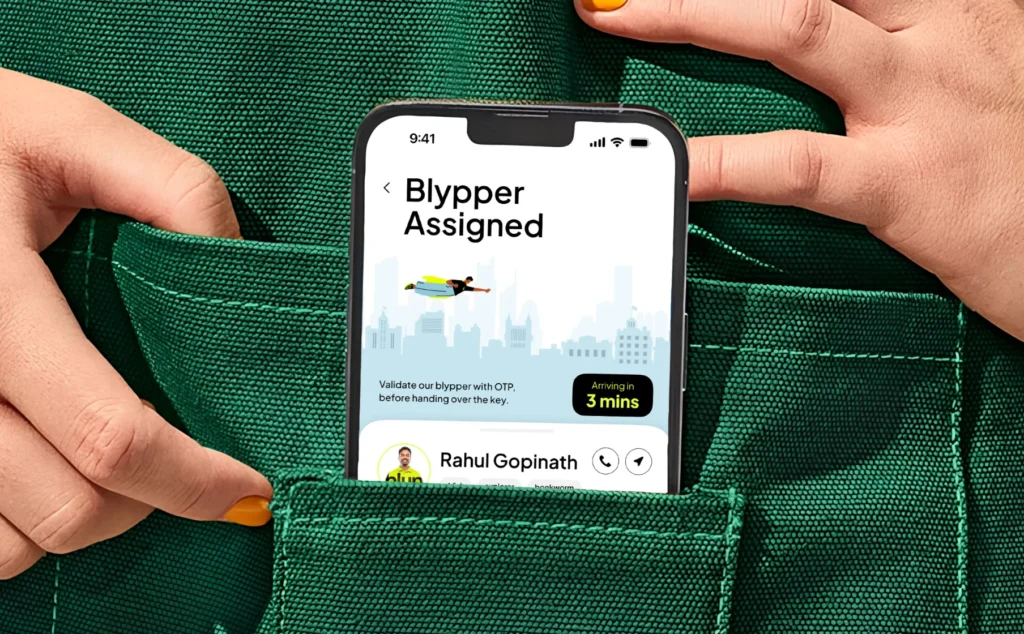
Explore the Branding behind the Blyp.
06. Create Your Brand Personality
Your brand personality is the collection of human characteristics associated with your business. It influences how customers perceive and relate to your brand.
Choose Your Brand Voice and Tone
Your voice is your brand’s consistent style of communication, while your tone changes depending on the situation.
Examples include:
- Professional
- Friendly
- Inspirational
- Confident
- Playful
- Educational
Maintain a consistent voice across your website, emails, advertisements, blogs, and social media platforms.
Define Brand Archetypes
Brand archetypes help shape your brand’s personality and emotional appeal.
Popular archetypes include:
- The Hero
- The Creator
- The Explorer
- The Sage
- The Caregiver
- The Innocent
- The Rebel
- The Ruler
- The Everyman
- The Magician
- The Lover
- The Jester
Selecting an archetype helps create more authentic and relatable messaging.
Build an Emotional Connection with Customers
People often choose brands based on emotions rather than logic alone. Storytelling, authenticity, and exceptional customer experiences help build lasting emotional connections.
Maintain Consistency Across Channels
Whether customers visit your website, social media pages, or physical store, they should experience the same personality, messaging, and values. Consistency builds familiarity and trust.
07. Design Your Visual Brand Identity
Visual identity makes your brand instantly recognizable.
Key elements include:
Create a Memorable Logo
Design a simple, versatile, and timeless logo that reflects your brand personality.
Select Brand Colors
Choose colors that represent your brand and evoke the desired emotions. Use them consistently across all marketing materials.
Choose Typography
Select one or two complementary fonts that are readable and align with your brand’s style.
Develop Supporting Visual Elements
Include icons, illustrations, graphics, patterns, and layouts that reinforce your visual identity.
Create Brand Imagery Guidelines
Define standards for photography, illustrations, and graphics to maintain a consistent visual style across all platforms.
08. Build Your Brand Style Guide
A brand style guide documents the rules for using your brand assets consistently.
It should include:
- Logo usage guidelines
- Color palette
- Typography standards
- Voice and tone guidelines
- Social media branding
- Marketing asset standards
A style guide ensures consistency across teams, agencies, and future marketing campaigns.
09. Apply Your Brand Identity Across Touchpoints
Implement your brand consistently across every customer interaction.
Important touchpoints include:
- Website
- Social media profiles
- Business cards
- Email signatures
- Packaging
- Product labels
- Advertising campaigns
- Email marketing
- Sales presentations
- Customer support
A consistent experience reinforces trust and strengthens brand recognition.
10. Launch Your Brand Identity
Launching your brand requires careful planning and communication.
Internal Brand Rollout
Educate employees about your brand values, messaging, and visual guidelines so they can represent the brand consistently.
External Launch Strategy
Introduce your new or updated brand through your website, social media, email campaigns, press releases, and promotional events.
Announce Your Brand
Share the story behind your brand identity and explain how it benefits your customers.
Gather Initial Feedback
Collect customer feedback after launch and use it to make improvements where necessary.

Explore the Branding behind the Crypto bean.
11. Monitor and Improve Your Brand Identity
Brand identity development is an ongoing process.
Monitor key performance indicators such as:
- Brand awareness
- Customer perception
- Social media engagement
- Website traffic
- Customer satisfaction
- Online reviews
- Customer retention
Use customer feedback and performance data to refine your branding over time while maintaining consistency.
Common Brand Identity Mistakes to Avoid
Avoid these common branding mistakes:
- Inconsistent branding across channels
- Ignoring customer feedback
- Copying competitors
- Overcomplicating visual design
- Failing to document brand guidelines
Recognizing and addressing these issues early helps maintain a strong and credible brand.
Brand Identity Development Checklist
Use this checklist to ensure your branding project is complete:
- Define your mission, vision, and core values.
- Identify your target audience.
- Conduct competitor research.
- Develop your brand strategy.
- Create a unique value proposition.
- Define your brand personality.
- Design your visual identity.
- Document your brand style guide.
- Apply branding across all touchpoints.
- Launch your brand consistently.
- Monitor performance and make improvements.
Conclusion
A strong brand identity is one of the most valuable assets a business can develop. It shapes how customers perceive your company, builds trust, and creates meaningful connections that encourage loyalty and long-term growth.
Developing an effective brand identity begins with defining your mission, vision, values, and purpose. It continues with understanding your target audience, researching competitors, crafting a clear brand strategy, and creating a distinctive personality and visual identity. Consistently applying these elements across every customer touchpoint strengthens recognition and reinforces your brand promise.
Brand identity is not a one-time project but an ongoing commitment. As customer expectations, market trends, and business goals evolve, regularly reviewing and refining your brand helps keep it relevant and competitive.
By following the steps outlined in this guide, you can create a memorable, authentic, and consistent brand identity that differentiates your business, inspires customer confidence, and supports sustainable success for years to come.

Akshita Shivani Sundar
Senior Graphic Designer