


Why Companies Rebrand: The Strategic Imperative
Companies rarely remain unchanged. As organizations grow, markets shift, customer expectations evolve, and competitive environments become increasingly complex. The brand that once perfectly represented a company’s identity, products, and values may no longer reflect what the business has become or where it plans to go next.
A company’s brand is a reflection of its position in the market. When there is a gap between the company’s actual capabilities and how customers perceive it, rebranding becomes a strategic necessity rather than a creative exercise.
A successful rebrand helps organizations communicate transformation, strengthen relationships, and create a stronger connection between business goals and customer expectations. A strategic rebrand can help organizations:
- Enter new markets by creating an identity that appeals to new customer segments and geographic regions.
- Strengthen customer trust by demonstrating growth, maturity, and commitment to delivering greater value.
- Modernize outdated perceptions by aligning the brand image with current capabilities and innovation.
- Differentiate from competitors by creating a clearer and more meaningful market position.
- Align internal teams around a shared purpose, vision, and customer promise.
- Support business transformation by ensuring the brand evolves alongside the company’s strategy.

Explore the Branding behind the BLYP.
Business Transformation
One of the most common reasons companies rebrand is business transformation. Many organizations begin with a focused product, service, or market niche. Over time, they expand their capabilities, introduce new solutions, acquire new expertise, or move into broader industries.
A company that started as a single-product provider may become a complete platform. A regional organization may become a global enterprise. A traditional business may transform into a digital-first company. When this happens, the original brand may no longer communicate the full value the company offers.
A successful rebrand helps bridge this gap by creating a stronger identity that represents the organization’s expanded capabilities. For example, a company moving from selling individual products to providing complete business solutions needs a brand that reflects partnership, expertise, and long-term value rather than only the original product offering. The goal is not to replace the company’s history but to create a brand that supports its next stage of growth.
Changing Customer Expectations
Modern customers evaluate companies based on far more than the products or services they purchase. Today’s audiences expect brands to provide meaningful experiences, demonstrate clear values, and build trust through every interaction.
Customers increasingly look for:
- Strong experiences across digital and physical touchpoints
- Clear purpose that explains why the company exists
- Innovation that shows the organization is prepared for the future
- Transparency in communication and business practices
- Consistency across every customer interaction
A brand that fails to evolve alongside these expectations risks becoming disconnected from its audience. Rebranding allows companies to refresh their message, improve customer perception, and create stronger emotional connections. However, the transformation must be authentic. Customers quickly recognize when a company changes its appearance without changing its approach. The strongest brands ensure that their internal culture, customer experience, and business operations support the new identity.
Competitive Differentiation
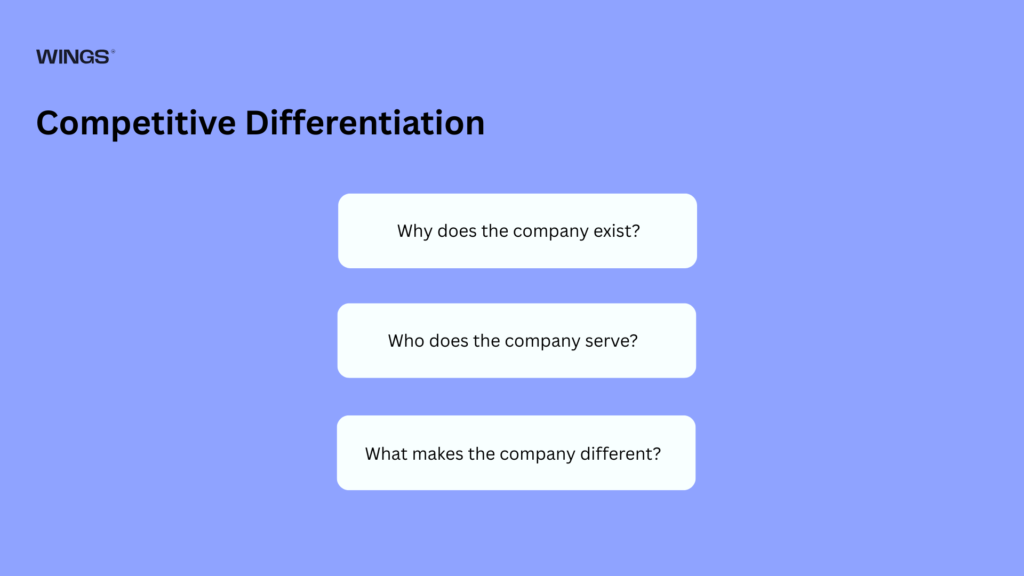
In crowded markets, being recognizable is no longer enough. Companies compete not only through products and pricing but also through perception, trust, and relevance. When customers have many choices, the brands that stand out are those that communicate a clear and compelling reason to exist. A strong brand must answer three important questions:
Why does the company exist?
A clear purpose helps customers understand the bigger value behind the organization.
Who does the company serve?
Successful brands know their audience deeply and communicate directly to their needs.
What makes the company different?
A strong differentiation strategy highlights unique strengths, capabilities, and experiences that competitors cannot easily replicate. When rebranding is guided by these principles, it becomes more than a visual update. It becomes a strategic tool that helps companies strengthen their market position, build customer loyalty, and prepare for future growth.
The Psychology Behind Successful Rebranding
A brand does not exist only in a company’s marketing materials, advertisements, or visual identity. A brand exists in the minds of customers. It is built through experiences, emotions, memories, expectations, and the trust developed over time.
Because of this, rebranding is not simply a business decision, it is a psychological transition. When a company changes its identity, customers do not only notice a new logo or updated messaging. They evaluate what the change means, whether the company is still reliable, and whether the new identity represents the values they have trusted.
Successful rebranding requires a deep understanding of customer perception. The goal is not to replace what people know but to reshape and strengthen the relationship between the company and its audience. A well-executed rebrand creates a balance between familiarity and progress. It respects the emotional connection customers already have while introducing a new vision for the future.
Protecting Brand Familiarity
A successful rebrand preserves valuable recognition. Over time, customers develop associations with a brand. Certain elements, such as the company name, visual identity, tone of communication, product experience, or reputation, become connected with trust and reliability.
Changing everything at once can create uncertainty. Customers may question whether the company they trusted is still the same organization. For this reason, the strongest rebrands carefully identify which elements should evolve and which should remain. Important brand assets that may need protection include:
- Customer trust and loyalty
- Established brand reputation
- Core values
- Recognizable identity elements
- Positive customer experiences
A company does not need to erase its history to become modern. Instead, it should use its history as a foundation for growth. The best rebrands create a feeling of continuity: “We recognize this company, but we can see how it has grown.”
Creating New Meaning
A rebrand should communicate progress, not just change. Customers need to understand why the transformation is happening and what value it creates. Without a clear purpose, a rebrand can feel unnecessary or confusing. Every successful rebranding effort should answer three important questions:
Why is this change happening?
Customers want to understand the reason behind the transformation. The company may have expanded its services, entered new markets, adopted new technology, or changed its strategic direction. Communicating this purpose helps customers view the change as a sign of growth rather than uncertainty.
What does it mean for customers?
A rebrand should focus on customer benefits. Customers are less interested in internal changes and more interested in how the transformation improves their experience. The message should explain:
- What will improve?
- What remains the same?
- How will customers benefit?
How does the company deliver more value?
A strong rebrand connects identity with action. The company must prove that the new brand represents real improvements, whether through better products, stronger services, improved experiences, or greater innovation. A new identity becomes meaningful when customers can see the difference.
Delivering Consistency
A brand is experienced everywhere. Customers do not separate marketing from reality. Every interaction contributes to how they perceive the company. A brand is reflected through:
- Marketing communication
- Sales conversations
- Customer support
- Product experience
- Website and digital platforms
- Employee behavior
- Company culture
A new identity must be supported by real operational change. For example, a company cannot position itself as customer-focused while providing inconsistent service experiences. Similarly, a brand promising innovation must ensure its products and processes reflect that commitment. Consistency creates credibility. When every part of the organization communicates the same message, customers develop stronger confidence in the brand.
Building Emotional Connection Through Change
The most successful rebrands recognize that customers connect with brands emotionally before they connect with them logically. People remember how a brand makes them feel. A company that successfully manages a rebrand creates emotions such as:
- Confidence
- Trust
- Excitement
- Belonging
- Optimism about the future
This emotional connection is what transforms a rebrand from a simple business update into a meaningful brand evolution.

Explore the Branding behind the Blyp.
The Role of Trust in Rebranding
Trust is one of the most valuable assets a company owns. A poorly managed rebrand can weaken trust if customers feel disconnected from the change. A carefully planned rebrand strengthens trust by showing that the company understands its audience and is prepared for the future. The objective is not to make customers forget the old brand. The objective is to help them believe in the next version of it. A successful rebrand creates a stronger relationship between the company and its customers, one built on shared values, improved experiences, and a clear vision for the future.
Building a Rebranding Strategy That Aligns With Business Goals
A successful rebrand begins with strategy, not design. While visual elements such as logos, colors, typography, and brand assets are important parts of a rebrand, they should never be the starting point. A meaningful brand transformation begins by understanding the company’s purpose, business objectives, customer expectations, and future direction.
Many unsuccessful rebrands happen because organizations focus on appearance before defining the strategic reason behind the change. A new identity may look modern, but without a clear connection to business goals, it will struggle to create lasting impact. A strategic rebrand ensures that every element of the brand, from messaging to customer experience, supports where the company is heading. Before changing visual elements, leaders must answer critical questions:
- What business challenge are we solving?
- What opportunities are we trying to create?
- How do we want customers to perceive us?
- What promise are we making to the market?
- How will the new brand support long-term growth?
A strong rebranding strategy connects the company’s present reality with its future ambition.
Define the Brand Vision
The foundation of any successful rebrand is a clear brand vision. Executives must understand not only where the company is today but also where it wants to go in the future. Without this clarity, rebranding can become a surface-level exercise focused only on appearance. A strong brand vision defines:
Where the company is today
Organizations must evaluate their current position:
- How do customers view the company?
- What strengths does the business have?
- What challenges limit growth?
- How does the market currently perceive the brand?
Understanding the current state helps identify the gap between reality and perception.
Where the company wants to go
A brand should support future business objectives. Leadership teams must define:
- Growth goals
- Target markets
- Future products or services
- Competitive ambitions
- Long-term business direction
A brand designed only for today may become outdated tomorrow.
How the company wants to be perceived
Perception plays a major role in business success. Companies must decide what qualities they want customers to associate with them. For example:
- Innovative
- Reliable
- Premium
- Customer-focused
- Sustainable
- Industry-leading
A clear perception goal helps guide messaging, design, and customer experience decisions. Without a strong vision, rebranding becomes a cosmetic exercise rather than a strategic transformation.
Understand the Audience
A successful brand is built around customer reality, not internal assumptions. Companies often understand their own products deeply but may not fully understand how customers perceive their value. Customer research helps reveal the difference between the company’s intended message and the audience’s actual experience. Customer insights should uncover:
Current Perceptions
Organizations need to understand:
- What customers believe about the brand
- What emotions the brand creates
- What strengths customers recognize
- What weaknesses affect trust
This information provides a starting point for transformation.
Customer Expectations
Customer expectations continue to evolve.
Research helps identify what audiences value most, such as:
- Better experiences
- Faster solutions
- Personalization
- Transparency
- Innovation
A brand that aligns with customer expectations is more likely to create meaningful connections.
Customer Pain Points
A rebrand should address real customer challenges. Understanding frustrations and unmet needs allows companies to position themselves as problem-solvers rather than simply service providers.
Trust Factors
Trust is essential in every industry.
Customers build confidence through:
- Consistent experiences
- Clear communication
- Product quality
- Reliable service
- Authentic brand promises
A strong rebranding strategy strengthens these trust drivers.
Create Strategic Positioning
Once the company understands its vision and audience, the next step is defining its strategic position. Positioning determines how a company stands apart in the marketplace. It explains why customers should choose one brand over another. A strong positioning statement answers:
“Why should customers choose us instead of alternatives?”
The answer should communicate:
Unique Value
What does the company offer that others do not?
This could include:
- Specialized expertise
- Better experiences
- Advanced technology
- Stronger relationships
- Greater convenience
Target Audience
A brand becomes stronger when it knows exactly who it serves. Clear positioning helps companies communicate directly with the customers who value their offerings most.
Competitive Difference
Being different is not enough, the difference must matter. A successful brand highlights meaningful advantages that customers recognize and appreciate.
Turning Strategy Into Action
A rebranding strategy becomes powerful when it influences every part of the organization. The strategy should guide:
- Brand messaging
- Marketing campaigns
- Product development
- Sales approach
- Customer interactions
- Internal culture
When business goals, customer expectations, and brand identity work together, rebranding becomes more than a change in appearance. It becomes a growth strategy that strengthens market position, builds trust, and prepares the organization for the future.
The Role of Trust in Rebranding
Trust is one of the most valuable assets a company owns. Over time, customers develop confidence in a brand through consistent experiences, reliable products, meaningful interactions, and the promises a company keeps. This trust becomes a foundation for customer loyalty and long-term relationships.
When a company decides to rebrand, it is not only changing how it presents itself, it is changing how customers understand and connect with the organization. Because of this, trust becomes one of the most important factors in determining whether a rebrand succeeds or fails. A poorly managed rebrand can weaken trust if customers feel disconnected from the change. Sudden changes without clear communication can create uncertainty and raise questions:
- Is this still the same company?
- Has the company changed its values?
- Will the quality of products or services remain the same?
- Does this change benefit customers or only the organization?
When customers do not understand the reason behind a transformation, they may view the rebrand as a disruption rather than an improvement. A carefully planned rebrand strengthens trust by showing that the company understands its audience, respects its history, and is prepared for the future.
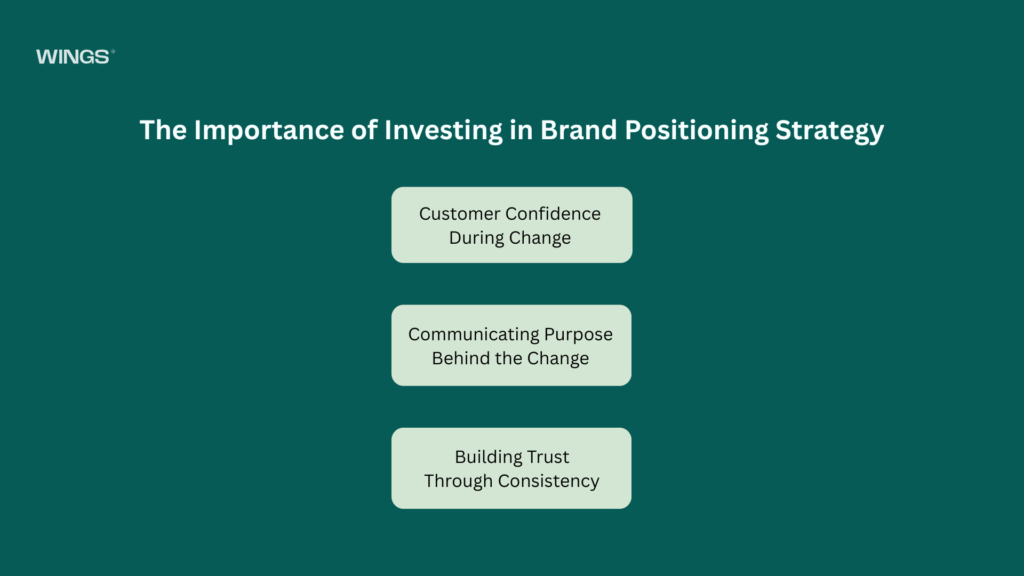
Preserving Customer Confidence During Change
Successful rebranding requires companies to balance transformation with familiarity. Customers do not expect brands to remain exactly the same forever. They understand that businesses evolve. However, they want reassurance that the qualities they value will continue. A strong rebranding approach protects important trust elements, including:
- Product and service quality
- Customer relationships
- Company values
- Brand promises
- Positive experiences
The goal is to communicate that while the brand may look different, the commitment behind it remains strong. A successful transition helps customers feel: “We are seeing a new chapter, not a completely different company.”
Communicating the Purpose Behind the Change
Trust grows when communication is clear and honest. Customers want to understand why a company is changing and what the transformation means for them. A strong rebranding message should explain:
Why the company is evolving
The organization should clearly communicate the reason behind the change. This may include:
- Business growth
- New capabilities
- Market expansion
- Improved customer experience
- Future-focused innovation
What customers can expect
A rebrand should make customers feel confident about the future. Companies should explain:
- What will improve
- What will remain consistent
- How customers will benefit
How the new brand reflects real change
Customers trust actions more than announcements. The new brand identity must be supported by improvements in products, services, and experiences.
Building Trust Through Consistency
A brand promise only becomes believable when customers experience it consistently. Trust is built through every interaction, including:
- Website experience
- Customer support
- Sales conversations
- Product quality
- Employee behavior
- Marketing communication
If the new brand message says the company is more customer-focused, every customer interaction should demonstrate that commitment. A rebrand creates expectations. The organization must deliver on them.
Creating Belief in the Future Brand
The objective of rebranding is not to make customers forget the old brand. The objective is to help them believe in the next version of it. The strongest rebrands respect the relationship that already exists while creating excitement for what comes next.
A successful rebrand creates a stronger connection between the company and its customers, one built on shared values, improved experiences, and a clear vision for the future.
When trust remains at the center of the transformation, rebranding becomes more than a change in identity. It becomes an opportunity to strengthen loyalty, increase confidence, and build a brand prepared for long-term success.
Common Rebranding Risks and How Leaders Can Manage Them
Rebranding can create significant opportunities for growth, stronger market positioning, and deeper customer relationships. However, it also carries risks that can affect customer trust, employee alignment, and business performance if not carefully managed. A successful rebrand requires more than creative thinking. It requires strategic planning, clear communication, and strong leadership to ensure the transformation creates value rather than confusion.
Many rebranding challenges occur when companies focus only on the visible changes and overlook the human, operational, and strategic aspects of the transition. Understanding these risks allows leaders to prepare effectively and guide the organization through change with confidence.
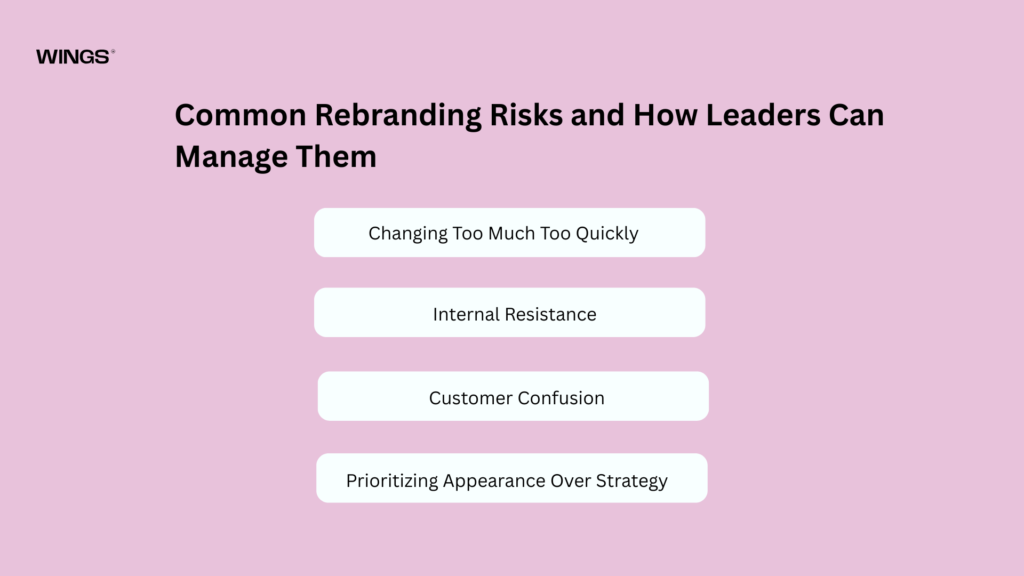
Changing Too Much Too Quickly
One of the biggest risks in rebranding is making changes so dramatic that customers no longer recognize the company they trusted. A complete transformation may remove familiar elements such as brand identity, messaging, or customer touchpoints that have built recognition over many years.
While innovation is important, removing too much brand familiarity too quickly can create uncertainty. Customers may ask:
- Is this the same company?
- Has the brand changed its values?
- Can I still expect the same quality?
A rebrand should create evolution, not disconnect.
Solution: Modernize Strategically While Protecting Brand Equity
Leaders should identify which elements of the existing brand carry the most value and preserve them during the transition. Important areas to protect include:
- Customer trust
- Brand reputation
- Recognizable assets
- Core values
- Existing relationships
The goal is to refresh the brand while maintaining the confidence customers have already built. A successful transformation communicates: “We are growing and improving, while staying true to what made us valuable.”
Internal Resistance
Employees are one of the most important audiences during a rebrand. They experience the brand every day through customer interactions, internal processes, and company culture. If employees do not understand the purpose behind the change, they may struggle to represent the new identity effectively. Internal resistance often happens when employees feel:
- Excluded from the process
- Unclear about the reason for change
- Unsure about their role
- Disconnected from the new direction
A brand cannot succeed externally if it is not understood internally.
Solution: Build Internal Communication and Training Before External Launch
Companies should involve employees early in the transformation process. Effective internal preparation includes:
- Explaining the reason behind the rebrand
- Sharing the future vision
- Providing brand guidelines
- Training teams on new messaging
- Creating opportunities for employee feedback
When employees understand and believe in the transformation, they become ambassadors of the new brand.
Customer Confusion
A sudden change without proper communication can create uncertainty among customers. Customers may notice a new identity but fail to understand what it means. If the company does not explain the purpose behind the change, audiences may interpret the transformation negatively. Confusion can lead to:
- Reduced trust
- Lower engagement
- Questions about product or service changes
- Uncertainty about the company’s future
Solution: Clearly Explain the Reason Behind the Transformation
Communication is essential during a rebrand. Companies should clearly answer:
- Why are we changing?
- What does this mean for customers?
- What remains the same?
- What improvements can customers expect?
A strong transition message helps customers see the rebrand as a positive evolution rather than an unnecessary change.
Prioritizing Appearance Over Strategy
A common mistake is treating rebranding as a design project instead of a business transformation. A new logo, website, or visual identity may create attention, but it cannot solve deeper challenges such as unclear positioning, weak differentiation, or inconsistent customer experiences. A company can look modern while still failing to communicate meaningful value.
Solution: Start With Research, Messaging, and Business Alignment
The foundation of a successful rebrand should be:
- Customer research
- Market analysis
- Business objectives
- Brand positioning
- Clear messaging
Design should express the strategy, not replace it. The most effective rebrands begin by defining who the company is, who it serves, and where it is going.

Explore the Branding behind the Crypto & Beans.
Managing Rebranding Risk Through Leadership
Rebranding is ultimately a leadership responsibility. Executives must ensure that the transformation is guided by a clear vision, supported by employees, understood by customers, and connected to business goals.
When leaders manage risks proactively, a rebrand becomes an opportunity to strengthen trust, improve market perception, and build a brand that supports long-term growth.
Rebranding Risk Matrix: Impact vs. Likelihood
| Risk | Likelihood | Impact | Leadership Action |
| Customer confusion | High | High | Communicate change clearly |
| Employee resistance | Medium | High | Create internal alignment |
| Loss of brand recognition | Medium | High | Protect brand equity |
| Market misunderstanding | Medium | Medium | Educate audiences |
| Budget challenges | Medium | Medium | Establish governance |
| Slow adoption | Low | Medium | Monitor engagement |
Lessons From B2B, SaaS, Consumer, and Enterprise Brands
Rebranding strategies differ depending on the type of organization, industry, customer expectations, and business objectives. A brand transformation that works for a consumer company may not be suitable for an enterprise organization. Each category faces unique challenges, from maintaining customer trust to communicating expanded capabilities.
However, successful rebrands across industries share a common principle: the new identity must reflect the company’s evolution while creating stronger value for its audience. Whether the goal is entering new markets, improving perception, or supporting business growth, rebranding should always connect brand identity with business strategy.
B2B Rebranding
B2B companies often rebrand when they expand their capabilities, enter new markets, or shift from being viewed as a service provider to a strategic business partner. Many B2B organizations begin with a specific product, solution, or industry focus. As they grow, their expertise and offerings become broader. The challenge is ensuring that the brand communicates this increased value.
A successful B2B rebrand helps customers recognize the company as more than a vendor, it positions the organization as a trusted partner that understands business challenges and delivers meaningful outcomes. The goals of B2B rebranding often include communicating:
Greater Expertise
As companies gain experience and industry knowledge, the brand should reflect deeper capability and authority. Customers want confidence that they are working with an organization that understands their industry and can support long-term goals.
Stronger Solutions
Many B2B companies evolve from offering individual products to providing complete solutions. The brand must communicate how different offerings work together to solve larger customer challenges.
Increased Credibility
Trust is critical in B2B relationships. A strong B2B brand builds credibility through:
- Industry expertise
- Proven results
- Consistent experiences
- Professional communication
The strongest B2B rebrands create a perception of partnership, reliability, and long-term value.
SaaS Rebranding
Software companies operate in one of the fastest-changing industries. A SaaS company may start by solving one specific problem but later expand into a complete platform with multiple capabilities. When this happens, the original brand may no longer represent the company’s full potential.
A successful SaaS rebrand helps customers understand that the company has evolved beyond a single feature or tool. Modern SaaS brands focus on communicating:
Customer Outcomes
Customers are less interested in features alone. They want to understand the results they can achieve. A strong SaaS brand focuses on:
- Business improvements
- Efficiency
- Growth
- Productivity
- User success
Scalability
As businesses grow, they need solutions that can grow with them. A rebrand can help position a SaaS company as a reliable long-term technology partner rather than just a software provider.
Innovation
Technology customers expect continuous improvement. A successful SaaS identity communicates:
- Future readiness
- Adaptability
- Continuous development
- Industry leadership
Long-Term Value
The best SaaS brands create relationships beyond the initial purchase. They communicate ongoing support, partnership, and continuous value creation.
Consumer Brand Transformation
Consumer brands face a unique challenge: they must balance heritage with modern relevance. Many consumer companies have customers who feel emotionally connected to the brand. A major change can create uncertainty if customers feel the company is moving away from what they loved.
At the same time, consumer preferences, trends, and cultural expectations continue to change. A successful consumer rebrand maintains loyalty while attracting new audiences. Key considerations include:
Preserving Emotional Connection
Consumer brands often carry memories and personal associations. A strong rebrand protects the emotional elements that customers already value.
Creating Modern Relevance
Brands must adapt to new generations of customers. This may involve updating:
- Visual identity
- Communication style
- Digital experience
- Customer engagement
Staying Authentic
Consumers quickly recognize changes that feel artificial. A successful transformation should feel like a natural evolution of the brand rather than a complete replacement.
Enterprise Rebranding
Large organizations often rebrand during major business transitions. Common reasons include:
- Mergers
- Acquisitions
- Global expansion
- Digital transformation
- Business restructuring
Enterprise rebranding is complex because it affects multiple audiences:
- Employees
- Customers
- Partners
- Investors
- Industry stakeholders
A large-scale rebrand requires careful planning because even small inconsistencies can create confusion across different regions and business units. Successful enterprise rebranding focuses on:
Internal Alignment
Thousands of employees must understand and represent the new brand consistently. Leadership communication, training, and internal adoption are essential.
Customer Confidence
Existing customers need reassurance that the transformation will strengthen the relationship rather than disrupt it.
Global Consistency
Enterprise brands must maintain a unified identity while adapting to different markets and cultures.
The Common Lesson Across All Industries
Although B2B, SaaS, consumer, and enterprise brands face different challenges, the principles of successful rebranding remain consistent:
- Start with strategy, not design
- Understand customer expectations
- Protect valuable brand equity
- Communicate the reason for change
- Align employees with the vision
- Deliver the new promise consistently
A successful rebrand does not simply change how a company looks. It changes how the company is understood, trusted, and valued in the marketplace.

Explore the Branding behind the Blyp.
The Role of Leadership in Driving a Successful Brand Transformation
A rebrand is not only a marketing initiative. It is a company-wide transformation that affects how an organization presents itself, operates internally, and connects with customers.
While marketing teams often lead the visible aspects of a rebrand, leadership determines whether the transformation becomes successful. Executives provide the vision, direction, and alignment needed to turn a new brand strategy into a meaningful business change.
Without leadership support, a rebrand can become limited to logos, messaging, and external communication. With strong leadership involvement, it becomes a strategic initiative that influences company culture, customer experience, and long-term growth.
A successful brand transformation requires leaders to ensure that the organization understands not only what is changing, but why the change matters.
Communicate the Vision Clearly
One of the most important responsibilities of leadership during a rebrand is communication. Employees, customers, and stakeholders need to understand the purpose behind the transformation. If the vision is unclear, people may view the rebrand as a cosmetic update rather than a meaningful evolution.
Executives should clearly communicate:
- Why the company is changing
- What the new brand represents
- How the transformation supports business goals
- What the future direction looks like
A strong leadership message creates confidence and helps people understand that the rebrand is part of a larger strategy. When employees understand the vision, they are more likely to represent the new brand with authenticity.
Support Organizational Adoption
A brand is not created only through external campaigns. It is delivered through the actions and behaviors of everyone inside the organization. Employees are the people who bring the brand promise to life through:
- Customer interactions
- Product development
- Sales conversations
- Service experiences
- Daily decision-making
If employees are not aligned with the new identity, customers will experience inconsistency between the company’s message and reality. Leaders must support adoption by providing:
- Internal education
- Brand training
- Clear guidelines
- Open communication channels
- Opportunities for feedback
Successful adoption happens when employees understand their role in creating the new brand experience.
Align Departments Around a Shared Direction
A rebrand impacts multiple areas of the business. Marketing may develop the new identity, but every department contributes to how the brand is experienced.
Leadership must ensure alignment across:
- Marketing
- Sales
- Customer support
- Product teams
- Human resources
- Operations
Each team should understand how their work connects to the overall brand promise. For example, if the new brand emphasizes innovation, product teams must support that message through continuous improvement. If the brand promises exceptional customer experience, support teams must deliver that standard consistently. Alignment transforms the brand from a message into an organizational reality.
Reinforce the Brand Promise Through Action
A brand promise only becomes credible when customers see it reflected in real experiences. Leaders play a critical role in ensuring the organization delivers what the new brand represents.
This means:
- Making decisions that support the brand strategy
- Investing in customer experience improvements
- Encouraging consistent behaviors
- Measuring progress and impact
A company cannot successfully position itself as customer-focused if internal processes create poor customer experiences. The strongest leaders ensure that the brand promise influences both communication and operations.
Leading Change With Purpose
Rebranding requires people to adapt, and change can create uncertainty. Leadership helps reduce this uncertainty by creating confidence and direction.
When executives treat rebranding as a business transformation rather than a marketing project, employees and customers are more likely to embrace the change. A successful brand transformation happens when leadership creates alignment between:
- Company vision
- Employee actions
- Customer expectations
- Market perception
Ultimately, leaders do not just approve a new brand, they make the organization capable of delivering it. A rebrand becomes successful when the entire company moves together toward the same future.

Explore the Branding behind the Crypto bean.
Measuring Rebranding Success: The Metrics Leaders Should Track
A rebrand should create measurable business impact. While a new visual identity or updated messaging may generate attention, the true success of a rebranding effort is determined by whether it improves how customers, employees, and the market perceive and engage with the company.
A successful rebrand should influence more than appearance. It should strengthen relationships, improve market positioning, support business growth, and create long-term value. For executive leaders, measuring rebranding success requires tracking both emotional and business outcomes. The strongest measurement approach combines brand perception metrics with operational and financial indicators. A rebrand should answer important questions:
- Do customers understand the new brand?
- Has trust increased?
- Are employees aligned with the new direction?
- Is the company achieving stronger market performance?
- Is the transformation creating measurable value?
Measuring Long-Term Brand Value
Rebranding success should not be judged only by immediate reactions. Some of the most valuable outcomes appear over time through stronger relationships, improved reputation, and increased customer confidence. A successful rebrand creates both emotional and financial value.
It strengthens how people feel about the company while improving the organization’s ability to compete, grow, and adapt. For leaders, the ultimate measurement is not simply whether the brand looks different. It is whether the new brand creates a stronger connection between the company, its customers, and its future goals.

Explore the Branding behind the Diamensions.
The 90-Day Rebranding Rollout Framework
Days 1–30: Strategy Phase
Focus on:
- Research
- Brand positioning
- Leadership alignment
- Customer insights
Outcome: A Clear Transformation Roadmap
The strategy phase results in a clear transformation roadmap that defines the direction, objectives, and execution plan for the rebranding journey. This roadmap provides the organization with a structured approach to move from the current brand identity toward a future-focused position. It ensures that every decision, from messaging and design to customer experience and internal communication, supports the company’s broader business goals.
The transformation roadmap outlines:
- Brand vision and purpose — A clear understanding of what the brand stands for and where it is heading.
- Strategic priorities — The key areas that require change to support growth and market relevance.
- Customer expectations — Insights into what audiences value, need, and expect from the brand.
- Positioning direction — A defined approach for how the company will differentiate itself from competitors.
- Execution plan — A structured timeline for developing and launching the new brand.
With this roadmap, leaders gain clarity, teams stay aligned, and the organization can move forward with a focused strategy for successful brand transformation.
Days 31–60: Development Phase
Focus on:
- Identity creation
- Messaging
- Internal preparation
- Customer communication planning
Outcome: A Complete Brand System Ready for Launch The development phase results in a complete brand system that transforms strategic decisions into practical tools and assets for market introduction.
At this stage, the organization has everything required to present the new brand consistently across customer touchpoints and internal operations. The brand moves from an idea into a structured framework that teams can apply effectively.
A complete brand system includes:
- Visual identity framework — A refined logo, design elements, typography, imagery style, and visual guidelines that represent the brand’s direction.
- Brand messaging platform — Clear messaging, brand voice, key statements, and communication principles that define how the company speaks to its audiences.
- Customer experience guidelines — Standards that ensure every interaction reflects the new brand promise.
- Internal brand resources — Training materials, guidelines, and tools that help employees understand and represent the brand.
- Launch preparation plan — Communication strategies and execution materials required for a smooth market introduction.
With a complete brand system in place, the organization is prepared to introduce the new identity with consistency, confidence, and alignment across all channels.
Days 61–90: Launch Phase
Focus on:
- Market announcement
- Campaign execution
- Customer education
- Performance tracking
Outcome: A Controlled and Measurable Transition
The launch phase results in a controlled and measurable transition from the existing brand identity to the new brand direction. At this stage, the organization introduces the updated brand to customers, employees, and the wider market while ensuring consistency, clarity, and minimal disruption. A well-managed launch helps maintain trust while creating excitement around the company’s next chapter.
A controlled transition includes:
- Clear market communication — Customers and stakeholders understand why the rebrand is happening and what it means for them.
- Consistent brand execution — All channels, touchpoints, and customer interactions reflect the new identity and message.
- Employee alignment — Teams understand their role in delivering the new brand experience.
- Customer confidence — Existing customers feel reassured that the company’s values and commitments remain strong.
- Performance measurement — Leaders track key indicators such as brand awareness, customer response, engagement, and business impact.
With a structured launch approach, the company can manage change effectively, reduce confusion, and ensure the new brand creates lasting value. A successful transition does not simply introduce a new identity, it builds momentum for future growth and stronger market relationships.
Executive Rebranding Checklist
A successful rebrand requires careful planning, leadership alignment, and consistent execution. Before launching a brand transformation, executives should ensure that the organization has addressed the key strategic, operational, and customer-focused elements.
Use this checklist to confirm that the rebranding initiative is prepared for success:
☐ Clear reason for rebranding established
The organization has defined why the rebrand is necessary and what business challenge or opportunity it addresses.
☐ Business goals connected to brand strategy
The new brand direction supports larger company objectives, growth plans, and market ambitions.
☐ Customer research completed
Customer expectations, perceptions, needs, and concerns have been identified and considered in the strategy.
☐ Brand positioning defined
The company has a clear understanding of who it serves, what makes it different, and why customers should choose it.
☐ Employees prepared for change
Internal teams understand the purpose of the rebrand and have the knowledge and tools needed to represent the new brand.
☐ Communication strategy created
A clear plan exists for explaining the transformation to customers, employees, partners, and stakeholders.
☐ Customer concerns addressed
Potential questions or uncertainties have been identified, and messaging is prepared to maintain trust.
☐ Visual identity aligned with strategy
The new design elements support the brand vision, positioning, and overall business direction.
☐ Success metrics defined
Key performance indicators have been established to measure brand awareness, customer response, employee adoption, and business impact.
☐ Rollout plan approved
A structured implementation timeline, responsibilities, and launch process are in place.
When all checklist items are completed, the organization is better positioned to execute a rebrand that strengthens trust, improves market perception, and supports long-term growth.

Explore the Branding behind the Shivam.
Conclusion
Rebranding is not about replacing the past. It is about creating a stronger connection between where a company has been, where it stands today, and where it wants to go in the future.
A successful brand transformation respects the foundation that has already been built while creating a new identity that reflects growth, innovation, and changing market realities. The goal is not to erase existing customer relationships or remove the company’s history. Instead, it is to evolve the brand in a way that strengthens trust and creates new opportunities.
The most successful rebrands combine creativity with strategy, customer insight with business goals, and vision with execution. They go beyond visual updates and focus on creating meaningful improvements in how the company communicates, operates, and delivers value.
For executive leaders, rebranding should be viewed as a long-term investment in the organization’s future. A strong brand helps employees align around a shared purpose, helps customers understand the company’s value, and helps the market recognize the organization’s potential.
The ultimate goal is simple:
Build a brand that does not just represent what the company is today, but reflects what it is capable of becoming tomorrow.
A well-executed rebrand becomes more than a change in identity. It becomes a foundation for stronger relationships, sustainable growth, and a future-ready organization.

Akshita Shivani Sundar
Senior Graphic Designer