

AI Chatbots as Brand Ambassadors: Crafting Human-Centric UX for the Modern Digital Experience
Dec 26, 2025 ● 14 Mins Read

Table of Contents
Introduction
Brand identity is shaped as much by the subtleties of interaction as by visual design or marketing copy. Users no longer engage passively; they inhabit the experience, forming impressions through tone, responsiveness, and interface behavior. AI-powered chatbots have emerged as critical touchpoints, functioning not merely as tools for transactional support but as strategic brand ambassadors capable of communicating personality, values, and ethos in real time.
The challenge lies in humanizing AI interactions without compromising efficiency. Users expect speed and accuracy, but they also seek relevance, empathy, and a sense of connection. The most effective chatbot experiences blend technological sophistication with emotional intelligence, delivering interactions that are seamless, intuitive, and emotionally resonant. Chatbots have thus evolved from optional utilities into dynamic extensions of brand voice, influencing perception, trust, and loyalty across every stage of the user journey.
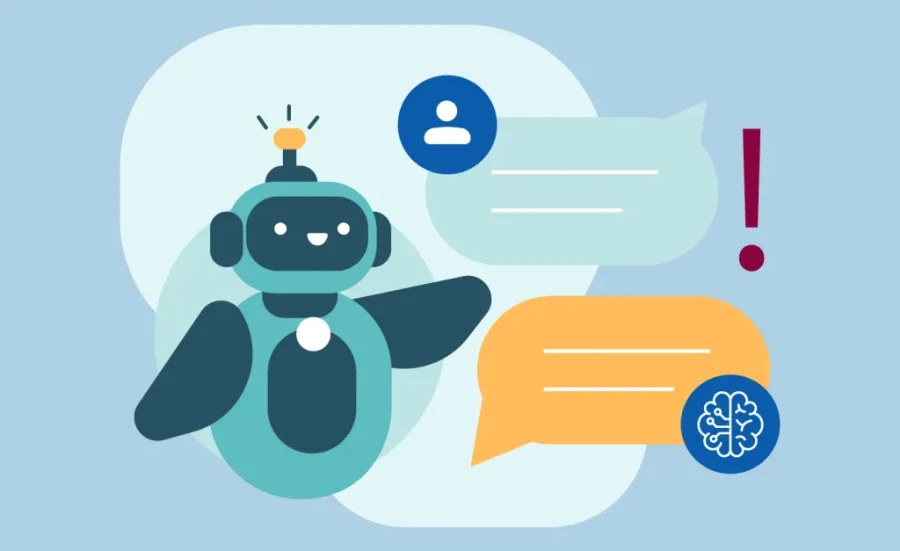
Chatbots as Strategic Brand Instruments
Every interaction with a chatbot is an opportunity to shape perception and reinforce brand identity. Unlike traditional customer service channels, chatbots operate with omnipresence and consistency, enabling brands to project their personality across millions of interactions simultaneously.
When deployed strategically, chatbots do more than respond—they curate experiences. They can project brand tone through carefully crafted dialogue, guide users along narrative journeys with proactive prompts, and foster emotional connections by responding empathetically to user sentiment. Furthermore, their constant availability underscores reliability and commitment, particularly for global audiences across multiple time zones.
Viewed through this lens, chatbots transcend functional utility to become digital brand emissaries. Every message, recommendation, or prompt is an interaction that reinforces narrative cohesion, amplifies brand storytelling, and positions the organization as attentive, innovative, and user-centric. This approach is not just about technology—it is about strategic perception management through interaction design.
Human-Centric UX Design Principles
Creating AI experiences that feel genuinely human requires deliberate attention to UX principles that prioritize empathy, context, and continuity.
Intentional Personalization: Personalization is essential for human-like interaction, but it must be carefully calibrated. Users are receptive to tailored responses based on prior behavior and preferences, but over-personalization can feel intrusive or manipulative. Effective chatbots leverage data judiciously, delivering relevance without overstepping boundaries.
Consistent Conversational Tone: A chatbot must reflect the brand’s voice consistently. Whether authoritative, playful, or empathetic, alignment across all touchpoints ensures a cohesive narrative experience. Consistency fosters recognition, trust, and comfort, creating a sense of reliability and brand authenticity.
Contextual Awareness and Memory: Humanized UX requires contextual intelligence. Advanced chatbots remember prior interactions, interpret ongoing exchanges, and adapt their responses accordingly. This continuity transforms isolated queries into coherent, evolving dialogues, making conversations feel dynamic and personal.
Emotional Intelligence: AI that can sense and respond to emotional cues—frustration, satisfaction, excitement—significantly enhances engagement. Chatbots that celebrate milestones, acknowledge user pain points, or offer reassurance reduce cognitive friction and strengthen relational bonds between the brand and its audience.
Seamless Escalation to Human Agents: Even the most sophisticated AI has limits. Users must always feel supported, with smooth pathways to human assistance when necessary. This integration preserves trust and positions AI as a collaborative extension of human service, rather than a cold replacement.
Technological Foundations of Human-Like Interaction
The humanization of chatbots depends on advanced technological capabilities that make AI interactions feel intuitive and intelligent.
Natural Language Processing (NLP): NLP enables chatbots to interpret complex queries, infer intent, and generate contextually relevant responses. Advanced models can recognize nuance, ambiguity, and sentiment, allowing conversations to feel conversational rather than mechanical.
Machine Learning for Behavioral Adaptation: Machine learning allows chatbots to learn from user interactions over time, improving relevance and responsiveness. Continuous optimization ensures the AI evolves with audience expectations, enhancing both usability and perceived intelligence.
Multimodal Interaction Capabilities: Modern chatbots extend beyond text. They incorporate voice, visual prompts, and gesture recognition, providing multiple channels for interaction and increasing accessibility. Multimodal interfaces create richer, more immersive experiences, allowing users to engage naturally and efficiently, whether browsing, querying, or making decisions.
Together, these technologies form the backbone of human-like AI, enabling chatbots to act as authentic extensions of brand personality and creating experiences that are simultaneously intelligent, intuitive, and emotionally resonant.
Strategic Advantages and Design Challenges
When implemented thoughtfully, AI chatbots deliver measurable brand benefits.
- Enhanced Engagement: Conversational interfaces encourage exploration and sustained interaction, increasing session duration and repeat engagement.
- Reinforced Brand Identity: Chatbots communicate tone, personality, and values consistently, creating memorable, cohesive experiences.
- Operational Efficiency: By automating repetitive tasks, human teams can focus on complex, high-value interactions, optimizing resources.
- Conversion Optimization: Intelligent guidance and proactive recommendations can nudge users along the journey, from discovery to purchase, without intrusive prompts.
- Scalable Human-Like Experience: Chatbots allow brands to deliver consistent, human-like interactions globally without diluting personality.
However, challenges must be carefully addressed:
- Robotic Interactions: Overly scripted AI undermines trust; flexible, context-aware dialogue flows are essential.
- Privacy vs. Personalization: Excessive personalization risks discomfort; data collection must be minimal, transparent, and meaningful.
- Complex Queries: AI can struggle with nuanced requests; hybrid human-AI systems ensure seamless escalation.
- Cross-Channel Consistency: Disjointed conversational tone across platforms can confuse users; rigorous guidelines and audits maintain alignment.
Conclusion
Evaluating chatbot effectiveness requires both quantitative and qualitative metrics. Quantitative measures include engagement rates, session frequency, repeat interactions, conversion, and resolution efficiency. Qualitative insights derive from user sentiment, feedback surveys, and analysis of how AI interactions influence loyalty, trust, and advocacy. Together, these metrics allow brands to refine experiences and ensure emotional resonance remains central.
Looking ahead, chatbots are poised to evolve into immersive experiential interfaces. Advancements in NLP, machine learning, and multimodal capabilities will allow chatbots to anticipate user needs, adapt conversational style dynamically, and deliver contextually intelligent guidance. Brands that embrace this evolution will transform AI into living extensions of their identity, creating interactions that are not only efficient but emotionally compelling, capable of inspiring trust, fostering loyalty, and delivering memorable digital experiences at scale.
In conclusion, AI chatbots are no longer mere automation tools—they are strategic instruments for humanized UX, enabling brands to embody personality, empathy, and narrative coherence in every interaction. By thoughtfully designing AI to serve as authentic brand ambassadors, companies can ensure that every conversation contributes to a cohesive, emotionally engaging, and strategically impactful digital journey.
Fueled by a deep passion for visual storytelling, I specialize in bringing ideas to life through dynamic and impactful motion design. As a Senior Motion Graphics Designer, I blend creativity with strategic thinking to craft animations that not only look stunning but communicate with clarity and purpose.

Ragul Devarajan
Senior motion graphics designer