

From Wireframes to Market Wins: How Smart Prototyping Reduces Risk for Entrepreneurs
Sep 10, 2025 ● 13 Mins Read
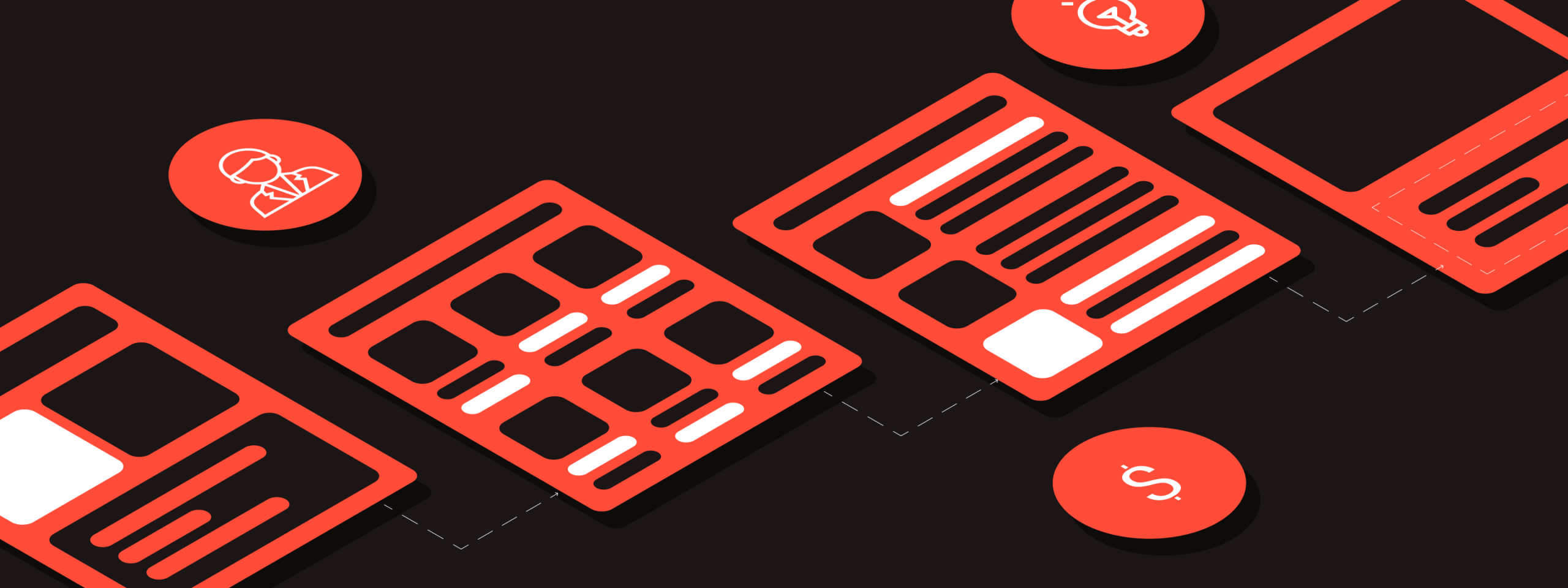
Table of Contents
Introduction
Entrepreneurs thrive on bold ideas, but assumptions can silently erode time, money, and opportunities. Every decision—from feature prioritization to market positioning—carries inherent risk. Yet, many startups and even established companies push ideas into development without a clear way to test them first. This often results in wasted resources, delayed launches, and products that fail to resonate with users.
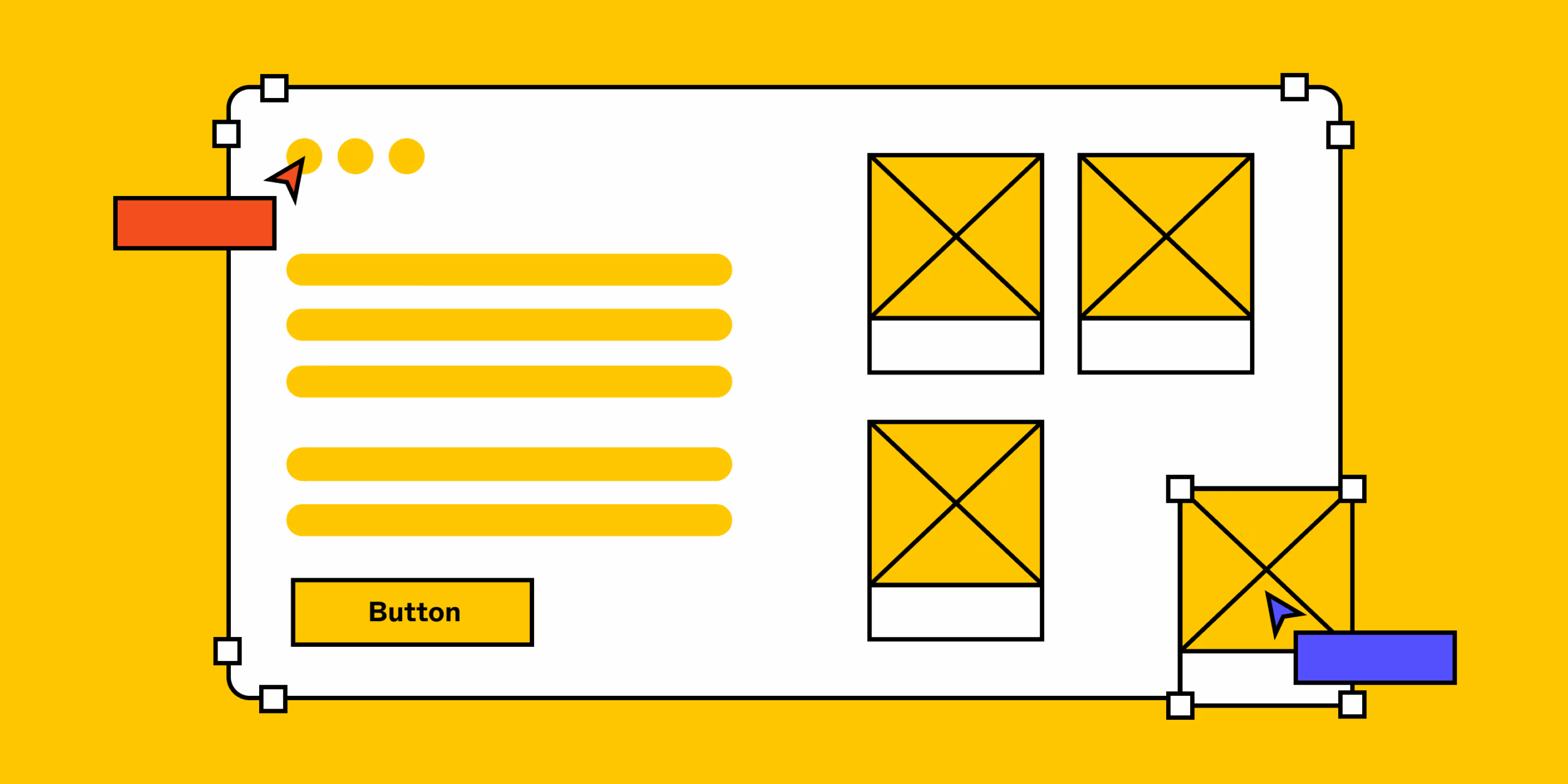
Smart prototyping addresses this challenge by turning abstract concepts into tangible experiences. Wireframes, mockups, and interactive prototypes allow teams to test assumptions early, uncover hidden issues, and pivot before major investment is committed. For decision-makers, this is the first step toward reducing uncertainty and increasing confidence in strategic choices.
Prototyping: Beyond the Visuals
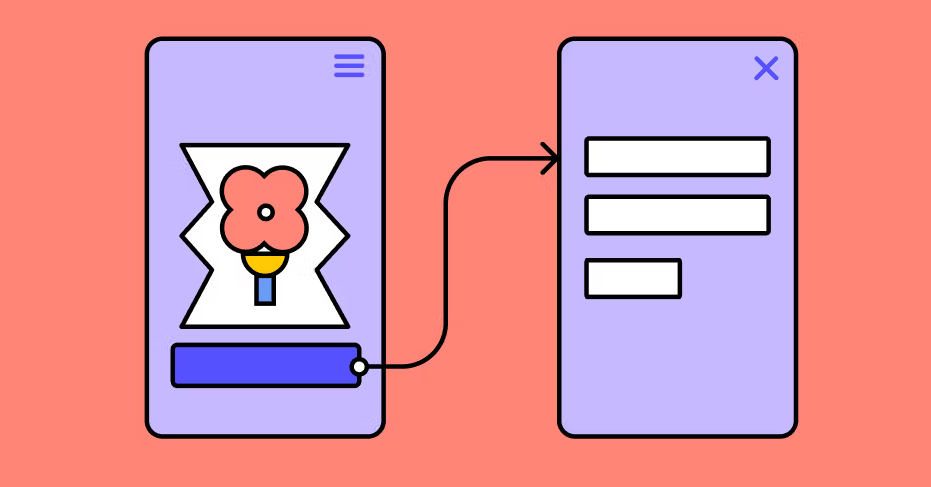
It’s common to perceive prototypes as simple wireframes or visual mockups. But their true value lies in the insights they generate. Prototypes simulate user interactions and workflows, helping teams understand how customers engage with a product before it exists in full form.
This approach allows entrepreneurs to identify friction points, usability gaps, and overlooked opportunities early in the process. Instead of guessing which features will resonate, teams can observe actual user behavior. Prototypes provide evidence-based clarity, making product decisions more informed and strategic.
Reducing Financial Risk Early
Investment in untested ideas is risky. Developing a full product without validation can result in sunk costs, rework, or even market failure. Prototyping mitigates this risk by enabling early-stage testing of assumptions.
By gathering feedback through user interactions with wireframes or clickable prototypes, teams can detect flaws, refine features, and validate demand before scaling. This not only reduces financial exposure but also strengthens stakeholder confidence. Early validation ensures resources are directed to features and workflows that deliver real value, rather than untested concepts.
Creating Alignment Across Teams
Even the most promising product can falter if teams aren’t aligned. Designers, developers, marketers, and leadership often interpret ideas differently, leading to miscommunication and delays. Prototypes act as a shared language, bridging these gaps.
Interactive wireframes and prototypes allow all stakeholders to engage with the product in the same way, creating a unified understanding of vision, functionality, and user experience goals. This clarity improves collaboration, accelerates decision-making, and ensures that the final product reflects both strategic priorities and customer expectations.
Key Benefits of Smart Prototyping
Smart prototyping combines design and strategic foresight, offering tangible advantages for entrepreneurs and decision-makers:
- Rapid Feedback Loops: Test assumptions quickly and iterate before major investments.
- User-Centric Design: Ensure features meet real customer needs and expectations.
- Resource Optimization: Allocate time, budget, and talent toward validated, high-impact areas.
- Market Readiness: Evaluate potential success and refine positioning before launch.
- Risk Mitigation: Identify and fix issues early, avoiding costly post-launch adjustments.
By integrating these benefits into the development process, prototypes turn uncertainty into actionable insights, enabling smarter decision-making and higher chances of market success.
Prototyping in an Agile World
The pace of modern markets demands agility. Customer expectations evolve rapidly, competitors iterate quickly, and technology changes constantly. Traditional linear product development is no longer sufficient.
Smart prototyping introduces flexibility, allowing teams to adapt and iterate quickly. Wireframes and interactive prototypes provide real-time insights into user behavior, operational challenges, and market readiness. This proactive approach ensures that products are refined continuously, reducing missteps and accelerating time-to-market. It also gives entrepreneurs a strategic advantage, as they can respond to market feedback before competitors react.
Conclusion
Risk is an unavoidable part of entrepreneurship, but unmanaged risk is preventable. Smart prototyping transforms uncertainty into insight, aligning teams, validating assumptions, and ensuring resources are invested wisely. Wireframes, mockups, and prototypes act as both testing grounds and communication tools, bridging the gap between concept and execution.
By embracing prototyping as a strategic tool, entrepreneurs reduce financial exposure, improve team alignment, and increase the likelihood of launching products that resonate with the market. From wireframes to market wins, smart prototyping is not just a design step—it’s a roadmap to sustainable business success.

Nandin
Design Lead