

Scaling Your Brand? Here’s Why Webflow Makes Strategic Sense
Aug 04, 2025 ● 13 Mins Read
Table of Contents
Introduction
When brands scale, it’s not just their revenue, team, or operations that grow. Their digital presence becomes more complex, more critical, and more high-stakes. The website, once a brochure, becomes a business engine. Marketing teams need agility. Brand leaders need consistency. Product teams need integrations. And all of it has to happen at speed. But here’s the issue—most growing companies hit a bottleneck: the development queue. Every small website update takes a dev sprint. Landing pages take weeks. Brand pivots take months to reflect online. This is where the problem stops being about code—and starts being about control. Scaling brands can’t afford to move slow, especially not online. That’s where Webflow changes the game.
Webflow as a Strategic Infrastructure Move
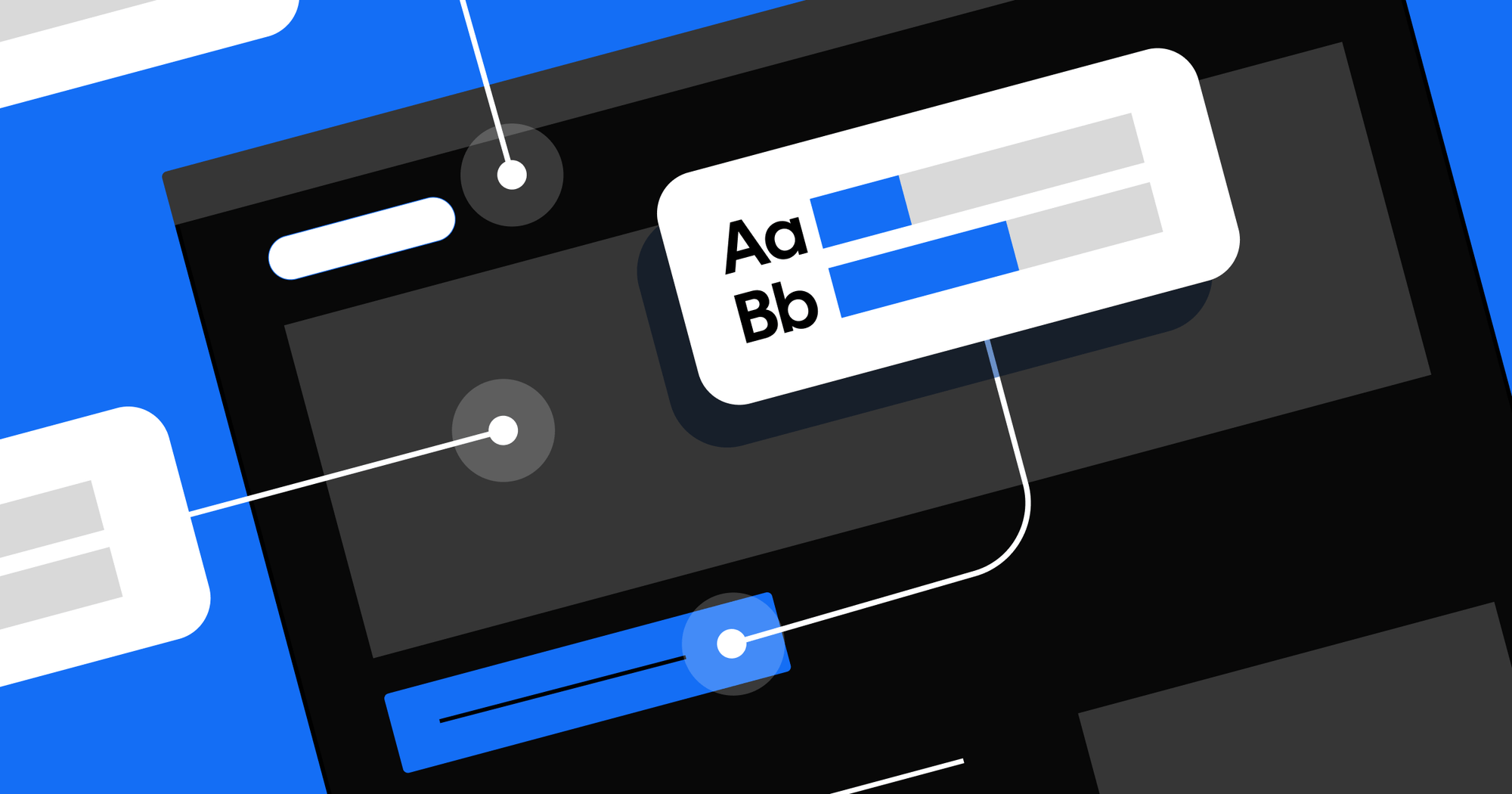
Webflow isn’t just a no-code tool. It’s a strategic infrastructure decision. It gives brands the ability to move fast without breaking brand, something traditional CMS systems or developer-dependent builds often struggle with. Instead of relying on siloed roles—designers, developers, content teams—Webflow creates a unified ecosystem. The visual canvas is powerful enough for designers, yet structured enough for marketing teams to build and iterate without compromising design fidelity. The result is a platform where brand, content, and performance sit at the same table—meaning updates, experiments, and launches don’t have to wait for the next dev cycle. For fast-growing companies where agility equals advantage, this shift is not a luxury—it’s a necessity.
Keeping Brand Consistency at Scale
As you grow, maintaining a cohesive brand across touchpoints becomes exponentially harder. Each new landing page, product update, or campaign risks drifting from core guidelines. Webflow helps solve this by letting your team build design systems directly into the website itself. You can lock in brand components—like typography, spacing, buttons, or animations—at a global level. This means you’re not just building pages; you’re building on-brand, reusable design logic. It’s like having a living brand manual coded into the site. As new people join the team, or as campaigns roll out across departments, the risk of brand fragmentation shrinks. For businesses serious about premium positioning or high-ticket audiences, this level of visual and narrative integrity is non-negotiable.
Speed Meets Sophistication
One of the most underrated advantages of Webflow is that it lets teams move fast without compromising polish. Often, speed and quality sit on opposite ends of the spectrum. Not with Webflow. Because it removes the back-and-forth between design and development, ideas go live faster—and they go live better. Complex interactions, animations, or layouts can be built visually, not just imagined in design tools. Teams can prototype in real, production-ready environments. What used to take weeks now takes hours. This agility pays off in campaigns, product launches, testing new markets, and responding to customer behavior—all in real time. When scaling, you don’t just need velocity—you need velocity with control, and that’s Webflow’s real power.
Built for Marketers, Trusted by CTOs
Webflow isn’t just a designer’s dream—it’s becoming a CTO-approved platform for serious business. With native SEO controls, CMS capabilities, integrations with modern tools, and clean HTML/CSS output, it fits well into modern tech stacks. More importantly, it reduces the need for bloated plug-ins or outdated workarounds that slow down performance or increase security risks. Marketers get the autonomy they crave. Developers get to focus on deeper infrastructure and product work. And leadership gets a digital presence that scales as fast as the business does. Everyone wins. For founders, heads of marketing, or product owners, this alignment is what turns Webflow from a tactical website builder into a strategic business asset.
Conclusion:
Perhaps the biggest reason Webflow makes sense for scaling brands is simple: it future-proofs your digital presence. The platform evolves fast, keeps up with design trends, supports responsive and performance-first principles, and doesn’t lock you into technical debt. Whether you’re expanding into new markets, pivoting your messaging, or replatforming your product, your website should be able to keep up—without burning time or money. In a world where attention spans are short and impressions are formed in seconds, your site isn’t just a marketing tool. It’s your first product experience. Webflow helps you treat it that way. It gives modern brands what they need most: creative freedom at speed, without the compromises.
From coding dynamic websites to smashing sixes on the cricket field, I thrive on precision and strategy. Beyond work, I enjoy the thrill of cricket, where every shot demands skill and timing. As a website developer, I bring the same passion to crafting seamless digital experiences, ensuring each design is intuitive, engaging, and built for impact.

Muralidharan
Web Developer