


Choosing the right e-commerce platform is not just about features, it is about how your business operates, grows, and competes online. Among the many options available today, Shopify and WooCommerce stand out as two of the most widely used solutions. Both can power successful online stores, but they work in fundamentally different ways. Shopify is an all in one hosted platform built for simplicity and speed. WooCommerce, on the other hand, is an open source plugin that runs on WordPress and offers greater flexibility.
This difference goes beyond technology and directly impacts how you manage and grow your business. From setup and costs to customization and scalability, each platform leads to different outcomes. Some businesses benefit from ease and a quick launch, while others need deeper control and customization. Understanding these differences is key to making the right choice. In this guide, we will break down what each platform offers and when to choose one over the other.
Understanding the Basics
What Is Shopify?
Shopify is a fully hosted e-commerce platform that provides everything you need to run an online store in one place. It includes hosting, security, payment processing, and store management tools, so you do not have to handle technical setup. You can easily create and customize your store using ready made themes and apps without needing coding skills. The platform is designed to be user friendly and quick to launch. It is ideal for businesses that want a simple and efficient way to start selling online.
Key traits:
- Hosted platform (no separate hosting required)
- Subscription-based pricing
- Built-in tools for payments, shipping, and inventory
- Centralized and user-friendly dashboard
What Is WooCommerce?
WooCommerce is an open source plugin that turns a WordPress website into a fully functional online store. It allows you to sell products, manage inventory, and handle payments directly from your website. Since it is open source, you have full control over customization and design. You can extend its features using a wide range of plugins and themes. It is ideal for businesses that want flexibility and complete control over their online store.
Key traits:
- Self-hosted (requires hosting setup)
- Flexible, pay-as-you-go structure
- Highly customizable with plugins and code
- Full control over design and functionality
Core Differences
Understanding the core differences between Shopify and WooCommerce is essential before making a decision. Each platform is built on a different model, which affects how you manage your store. These differences influence everything from cost to control and long term scalability.
| Feature | Shopify | WooCommerce |
| Platform Type | Hosted | Self hosted |
| Setup | Simple and guided | Requires setup |
| Pricing | Fixed monthly | Variable costs |
| Customization | Structured themes and apps | Unlimited with code and plugins |
| Maintenance | Managed | Self managed |
| Control | Platform controlled | Full ownership |
Shopify handles most of the technical aspects for you, making it easier to manage and maintain your store. WooCommerce requires more involvement, but it gives you complete control over every part of your website. Your choice depends on whether you value convenience or flexibility more. Businesses looking for quick setup often prefer Shopify. Those needing advanced customization and ownership usually choose WooCommerce.
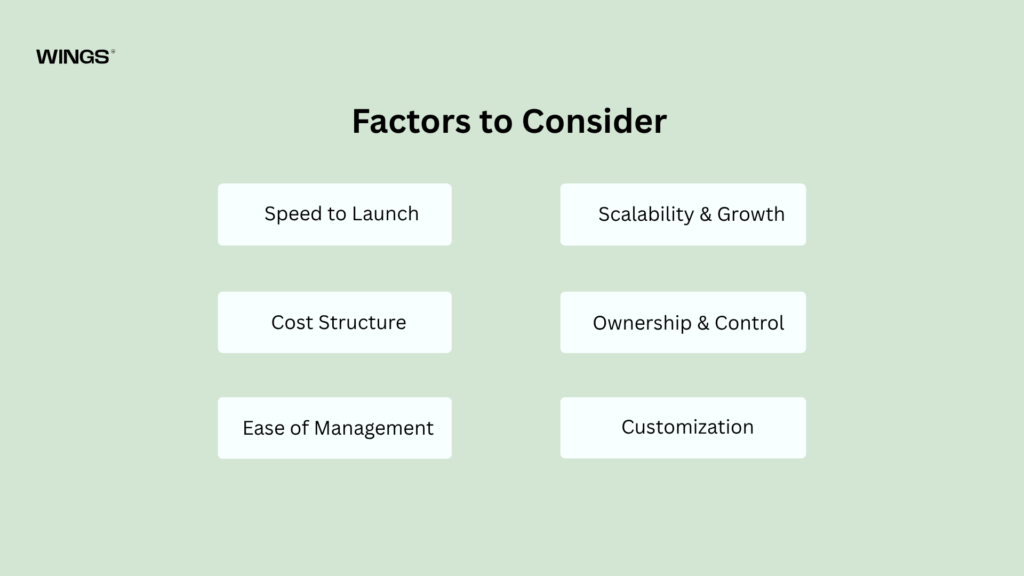
Business Impact / Outcomes
Speed to Launch
Shopify
Shopify allows very quick store setup with minimal technical effort required. Everything including hosting, security, and platform setup is already included. Users can start selling within a short time without complex configuration. The onboarding process is simple and beginner-friendly. It is ideal for businesses that want fast market entry.
WooCommerce
WooCommerce takes more time to launch because it requires WordPress and hosting setup. Users must install plugins and configure settings manually before going live. Technical knowledge or developer support is often required. The setup process is more flexible but slower. It suits users who want full control over setup.
Ease of Management
Shopify
Shopify is easy to manage because it handles hosting, updates, and security automatically. The dashboard is simple and designed for non-technical users. Business owners can focus mainly on sales and marketing activities. No manual maintenance is required for core functions. It provides smooth and stress-free daily operations.
WooCommerce
WooCommerce requires manual management of hosting, updates, and backups. Users need to take care of security and plugin maintenance themselves. Technical knowledge or developer assistance is often needed. There can be issues like plugin conflicts and performance tuning. This makes management more complex compared to Shopify.
Customization & Flexibility
Shopify
Shopify provides customization through themes and built-in apps. It works within a controlled ecosystem with limited deep changes. Design modifications are easy but advanced structural changes are restricted. It ensures stability and consistent performance. It is suitable for standard eCommerce requirements.
WooCommerce
WooCommerce is fully open-source and highly flexible for customization. Users can modify code, plugins, and design freely. It supports advanced features and unique business requirements. Developers can build fully customized online stores. It is ideal for complex and scalable projects.
Cost Structure
Shopify
Shopify follows a monthly subscription pricing model with fixed plans. Hosting and platform services are included in the cost. Additional expenses may come from apps and transaction fees. Pricing is predictable and easy to manage. However, costs may increase with advanced features.
WooCommerce
WooCommerce plugin is free, but other costs are required. Users must pay for hosting, domain, and premium plugins. Expenses vary depending on business needs and tools used. Costs are flexible but not always predictable. It can be cheaper or more expensive depending on setup.
Scalability & Growth
Shopify
Shopify handles scalability automatically as the business grows. It manages traffic, performance, and security without user intervention. No server upgrades or technical work is needed. It is built for fast-growing businesses. Scaling is smooth and reliable.
WooCommerce
WooCommerce scalability depends on hosting and optimization quality. Users must upgrade servers as traffic increases. Performance management and technical adjustments are required. It can support large stores with proper setup. Scaling requires more effort than Shopify.
Ownership & Control
Shopify
Shopify is a hosted platform, so users depend on its infrastructure. Control over backend systems is limited. It offers convenience but less independence. Data and stores are managed within Shopify’s ecosystem. It reduces complexity but also reduces control.
WooCommerce
WooCommerce provides full ownership of website, data, and hosting. Users have complete control over customization and management. There is no platform lock-in or restrictions. It allows full independence for long-term growth. It is best for users who want complete control.
When Each Option Makes Sense
Shopify
Why it works:
Shopify reduces technical complexity by offering an all-in-one ecosystem that handles hosting, security, payments, and store management. It allows users to focus more on business growth rather than technical setup or maintenance. This makes it a smooth and beginner-friendly platform for launching online stores quickly.
Common use cases:
It is best suited for beginners and small businesses that want to launch quickly without dealing with technical challenges. It also works well for teams that do not have dedicated developers and need a fast, reliable way to get an online store running. Overall, it supports simple and fast business setups.
Practical tips:
Start with a simple store structure and avoid overloading it with apps in the beginning. Focus on optimizing Shopify’s built-in features first, and only add apps when you clearly need additional functionality. Keeping things minimal helps improve performance and management.
WooCommerce
Why it works:
WooCommerce provides full control over design, functionality, and overall store architecture. Because it runs on WordPress, it offers strong flexibility and deep integration with content-driven websites. This makes it highly customizable for different business needs.
Common use cases:
It is ideal for businesses that require custom features or highly tailored functionality. It also suits content-focused businesses such as blogs, affiliate sites, or editorial platforms that want to combine content and eCommerce. It works best for tech-savvy teams or users comfortable managing WordPress. This allows greater freedom in building unique stores.
Practical tips:
Invest in high-quality hosting to ensure performance and stability. Be careful not to overload your site with too many plugins, as this can slow down performance and create conflicts. Proper optimization and maintenance are important for long-term success.

Real-World Scenarios
Scenario 1: Launching Quickly
Shopify: Shopify provides a ready-to-use system that significantly speeds up the store launch process with minimal setup effort.
WooCommerce: WooCommerce requires more initial setup but offers greater control and customization options from the start.
Why it works:
Shopify minimizes setup time by offering built-in tools, while WooCommerce allows more tailored configuration for specific needs.
Result:
Both platforms can successfully launch an online store, Shopify does it faster, while WooCommerce provides more flexibility.
Scenario 2: Building a Unique Brand
Shopify: Shopify allows branding through customizable themes and a wide range of apps to enhance design and functionality.
WooCommerce: WooCommerce enables deep customization through code, offering full creative control over design and features.
Why it works:
Both platforms support branding, but they differ in the level of design freedom and technical control they provide.
Result:
Shopify delivers a structured and consistent design experience, while WooCommerce enables highly unique and customized branding.
Scenario 3: Scaling a Business
Shopify: Shopify automatically manages infrastructure, including hosting, security, and performance scaling.
WooCommerce: WooCommerce requires ongoing manual management of hosting, performance, and optimization as the store grows.
Why it works:
Both platforms can scale effectively, but they differ in how much operational involvement is required from the user.
Result:
Shopify simplifies scaling with automation, while WooCommerce offers deeper control over optimization and performance tuning.
Pros and Cons
Shopify
Pros:
Shopify is very easy to use, making it ideal for beginners and non-technical users. It offers a fast setup process, allowing you to launch your online store quickly without dealing with complex technical steps. Hosting, security, and updates are fully managed by the platform, so you don’t need to worry about maintenance. It also ensures reliable performance with minimal effort required from the user. Overall, Shopify lets you focus more on growing your business instead of handling technical tasks.
Cons:
Shopify comes with monthly subscription costs that can increase as you add more apps and features to your store. It also offers limited backend control compared to open-source platforms, which can restrict deep customization. Many advanced functions rely on third-party apps, which often add extra expenses over time. This can make overall costs higher as your business grows. As a result, pricing may become less predictable for expanding stores.
WooCommerce
Pros:
WooCommerce offers full flexibility, allowing complete control over the design and functionality of your online store. It provides full ownership of your website and data since it is an open-source platform. It also has a wide plugin ecosystem, making it easy to extend features as needed. With proper setup and optimization, it is highly scalable for growing businesses. Overall, WooCommerce is ideal for users who want maximum control and customization.
Cons:
WooCommerce requires technical knowledge for proper setup and ongoing management. Users are responsible for maintenance tasks such as updates, backups, and security. Its performance depends heavily on the quality of hosting and how well the site is optimized. Without proper configuration, it can become complex to manage. Overall, it demands more effort but offers greater control in return, making it better suited for users who want flexibility and customization.
Key Pitfalls to Avoid
Choosing Based Only on Price
Focusing only on the lowest cost can lead to poor long-term outcomes. While it may seem budget-friendly initially, cheaper solutions often come with hidden limitations in features, performance, or support. Over time, these gaps can increase maintenance costs and reduce efficiency. A better approach is to evaluate overall value, including quality, reliability, and scalability, rather than just upfront pricing.
Ignoring Technical Requirements
Each platform has different technical needs and levels of complexity. For example, WooCommerce requires more hands-on management, hosting setup, and technical understanding, while Shopify offers a more managed and user-friendly experience but still needs regular optimization. Ignoring these requirements can lead to performance issues, poor user experience, or unnecessary workload.
Overloading Apps or Plugins
Adding too many plugins or extensions may seem like a way to enhance functionality, but it often has the opposite effect. Excessive add-ons can slow down website performance, create compatibility issues, and increase security risks. It is important to use only essential and well-maintained tools to keep the system stable and efficient.
Not Planning for Growth
Failing to consider future business expansion is a common mistake. A platform that works for a small setup may not support increased traffic, product range, or advanced features later. Choosing a scalable solution from the beginning ensures smoother growth and reduces the need for costly migrations or major restructuring in the future.

Explore the Shopify development process behind the Pureforma.
Structured Decision-Making Framework
Assess Your Technical Skills
Choosing the right platform depends on your technical expertise. Beginners or users who prefer a simple setup should go with Shopify due to its user-friendly and fully managed system. It requires minimal technical knowledge and is easy to operate. In contrast, WooCommerce is better suited for users with technical experience or access to developers. It offers more control but requires hands-on management.
Define Your Priority
Your main business priority plays a key role in selection. If you value convenience, speed, and hassle-free management, Shopify is the ideal choice. It reduces the need for technical maintenance and lets you focus on business operations. However, if you prioritize full control over design and functionality, WooCommerce is more suitable. It provides greater flexibility for customization.
Evaluate Budget Style
Budget preference is another important factor. Shopify works best for users who prefer a fixed and predictable monthly cost, making financial planning easier. WooCommerce, on the other hand, follows a flexible cost structure. Expenses may vary depending on hosting, plugins, and additional features. This makes it suitable for users who can manage variable spending.
Consider Customization Needs
Customization requirements also influence the decision. Shopify offers a wide range of built-in features that are sufficient for standard online stores. It is easy to set up but has some limitations in advanced customization. WooCommerce excels in flexibility and allows deep customization. It is ideal for complex stores requiring unique features and design control.
Think Long-Term
Long-term scalability should always be considered. Shopify supports smooth and easy scaling with minimal technical effort, making it ideal for fast-growing businesses. WooCommerce provides strategic flexibility, allowing businesses to expand and modify their store as needed. However, it may require more management as the business grows. Choosing the right platform ensures sustainable long-term success.
Conclusion
Both Shopify and WooCommerce are powerful e-commerce platforms, but they are designed for different business needs and working styles. Shopify is ideal for users who prefer simplicity, quick setup, and easy store management without technical complexity. In contrast, WooCommerce is better suited for those who want full control, deep customization, and greater flexibility. Each platform has its own strengths in terms of features, scalability, and user experience. The right choice depends on your technical skills, budget, and long-term business goals. Ultimately, selecting the right platform ensures smoother management and better growth for your online store.

Prasanna M
Developer