

What Makes an eCommerce Platform Suitable for Long-Term Growth?
Not every eCommerce platform is designed to support businesses through every stage of growth. Some work well for startups but struggle with high traffic or advanced customization. Others offer endless flexibility but require significant technical expertise and ongoing maintenance.
Here are the key factors that determine whether an eCommerce platform is suitable for long-term business success.
Scalability
As your business grows, your website should grow with it. A scalable platform can handle increasing numbers of products, customers, transactions, and website visitors without sacrificing performance.
Performance
Website speed directly impacts customer experience, conversion rates, and search engine rankings. A long-term platform should consistently deliver fast loading times regardless of traffic volume.
Security
Cybersecurity threats continue to evolve, making website security essential. Reliable platforms should provide SSL certificates, secure payment processing, fraud protection, and regular security updates.
Customization
Businesses often need unique features as they expand. Whether it’s custom checkout experiences, specialized integrations, or advanced workflows, the platform should provide room for customization.
Marketing Features
A successful online business depends on more than just selling products. Built-in marketing tools, email campaigns, social commerce, promotions, and customer engagement features contribute significantly to long-term growth.
SEO Capabilities
Search engine optimization remains one of the most cost-effective methods of attracting customers. Your platform should support technical SEO, structured data, metadata, and content marketing.
Third-Party Integrations
No business operates with a single tool. Integration with accounting software, CRM systems, shipping providers, inventory management, analytics platforms, and marketing applications is critical.
Total Cost of Ownership
Monthly subscriptions are only part of the equation. Long-term costs include apps, themes, payment processing fees, development, maintenance, and future upgrades.
Reliability
Downtime can lead to lost revenue and damaged customer trust. Businesses need a platform with excellent uptime and dependable infrastructure.
Shopify performs well across many of these categories, which explains why it has become one of the most popular eCommerce platforms globally. Let’s take a closer look.

Explore the Web development process behind the Pureforma.
Shopify Overview
Shopify is a cloud-based eCommerce platform that enables businesses to create, manage, and grow online stores without worrying about hosting or server management.
Launched in 2006, Shopify has evolved from a simple online store builder into a complete commerce ecosystem. Today, it supports millions of merchants worldwide, ranging from entrepreneurs selling handmade products to internationally recognized enterprise brands.
One of Shopify’s biggest advantages is its ease of use. Business owners can quickly set up an online store using professionally designed themes, integrated payment solutions, and intuitive management tools. Unlike self-hosted platforms, Shopify handles software updates, hosting, security patches, and infrastructure automatically.
Who Uses Shopify?
Shopify serves businesses of virtually every size, including:
- Small businesses
- Direct-to-consumer (DTC) brands
- Fashion retailers
- Beauty brands
- Electronics stores
- Subscription businesses
- Wholesale companies
- International retailers
- Enterprise organizations through Shopify Plus
Shopify Pricing Plans
Shopify offers multiple pricing tiers designed for different stages of business growth. Businesses can start with an entry-level plan and upgrade as their sales volume and operational needs increase. Higher-tier plans unlock advanced reporting, lower transaction fees, automation tools, and enhanced customization capabilities.
This flexibility allows companies to scale without rebuilding their entire website.
Shopify Advantages for Long-Term Businesses
Shopify’s biggest strength lies in its ability to simplify eCommerce operations while remaining powerful enough to support growing businesses.
Exceptional Scalability
Many businesses begin with only a handful of products and a limited customer base. Over time, they may expand into multiple product categories, international markets, or wholesale operations.
Shopify is designed to accommodate this growth.
Businesses can easily increase their product catalog, manage higher order volumes, and support larger customer bases without changing platforms. As traffic grows, Shopify’s cloud infrastructure automatically scales to handle increased demand.
For enterprise businesses, Shopify Plus offers additional capabilities such as:
- Higher API limits
- Automation workflows
- Custom checkout experiences
- Advanced user permissions
- Multi-store management
- Dedicated support
This scalability means companies rarely need to migrate as they expand.
Easy Store Management
Running an online business already involves inventory management, marketing, customer service, and logistics. Shopify removes much of the technical burden.
Store owners don’t need to:
- Maintain servers
- Install software updates
- Monitor hosting performance
- Apply security patches
- Configure backups
Everything is managed by Shopify, allowing business owners to focus on growth instead of technical maintenance.
Strong Security
Security is one of Shopify’s strongest selling points.
Every Shopify store includes:
- SSL certificates
- PCI DSS compliance
- Secure payment processing
- Fraud analysis tools
- Regular platform updates
Because Shopify manages security at the platform level, merchants avoid many vulnerabilities associated with self-hosted websites.
This provides peace of mind for businesses handling sensitive customer information.
Reliable Performance
Website speed affects user experience, search rankings, and revenue.
Shopify delivers excellent performance through:
- Global content delivery networks (CDNs)
- Optimized infrastructure
- Automatic image optimization
- High uptime reliability
- Fast page loading
Even during major shopping events such as Black Friday and Cyber Monday, Shopify is built to handle significant traffic spikes.
Mobile Commerce
More than half of global online shopping now happens on mobile devices.
Shopify supports mobile commerce through:
- Responsive themes
- Mobile-friendly checkout
- Optimized product pages
- Mobile payment integrations
A seamless mobile shopping experience helps businesses increase conversions while improving customer satisfaction.

Explore the Web development process behind the Obessions.
Shopify’s SEO Capabilities
For businesses seeking sustainable growth, organic traffic can become one of the most valuable acquisition channels. Shopify includes many built-in SEO features that make it easier to improve search visibility, although it also has a few limitations.
Technical SEO
Shopify automatically generates many technical SEO elements, reducing the need for manual configuration.
These include:
- XML sitemaps
- Canonical tags
- SSL encryption
- Mobile optimization
- Fast page loading
These features help search engines crawl and index your website efficiently.
Metadata Optimization
Merchants can customize:
- Page titles
- Meta descriptions
- Product descriptions
- Image alt text
- URLs (within Shopify’s structure)
Optimizing these elements improves click-through rates and keyword relevance.
Structured Data
Shopify themes often include structured data (schema markup) for products, pricing, reviews, and availability. This increases the likelihood of rich search results, making listings more attractive in search engines.
Blogging Features
Content marketing plays a vital role in long-term SEO.
Shopify includes a built-in blogging platform where businesses can publish educational articles, buying guides, tutorials, and industry insights.
Regular blog content helps attract informational search traffic and build authority within your niche.
Speed Optimization
Search engines increasingly prioritize website performance.
Shopify supports speed optimization through:
- Content delivery networks
- Browser caching
- Compressed assets
- Efficient hosting
Fast-loading websites provide a better user experience and can positively influence search rankings.
SEO Limitations
Despite its strengths, Shopify isn’t perfect for SEO.
Some common limitations include:
- Fixed URL structures for products and collections
- Limited control over certain technical settings
- Advanced SEO customizations may require apps or developer assistance
For most businesses, these limitations are relatively minor and unlikely to significantly affect long-term organic growth.

Explore the Web development process behind the DCC.
Shopify’s Marketing Ecosystem
Long-term business growth depends on attracting new customers while retaining existing ones. Shopify offers a robust ecosystem of marketing tools that help businesses increase visibility, recover lost sales, and build lasting customer relationships.
Email Marketing
Shopify includes native email marketing capabilities, allowing merchants to create newsletters, product announcements, promotional campaigns, and automated customer journeys directly from the dashboard. Businesses can segment audiences based on purchase history and customer behavior to deliver more relevant messages.
Discount Codes and Promotions
Creating promotions is simple with Shopify. Merchants can generate percentage discounts, fixed-amount offers, free shipping campaigns, and automatic discounts. These tools are especially useful during seasonal sales, product launches, and customer loyalty initiatives.
Abandoned Cart Recovery
One of Shopify’s most valuable features is abandoned cart recovery. Automated reminders encourage shoppers to return and complete their purchases, helping businesses recover revenue that might otherwise be lost.
Social Commerce
Modern consumers often discover products through social media rather than traditional search. Shopify integrates seamlessly with leading social platforms, enabling merchants to showcase products where customers already spend time.
Popular integrations include:
- Facebook Shops
- Instagram Shopping
- TikTok Shop
- Google Shopping
These channels expand product visibility and create additional opportunities for conversion.
AI-Powered Marketing
Artificial intelligence is becoming an increasingly important part of eCommerce. Shopify incorporates AI-powered tools that assist with content creation, product descriptions, customer support, and marketing recommendations, helping merchants work more efficiently while maintaining a consistent brand presence.
Analytics and Reporting
Understanding customer behavior is essential for sustainable growth. Shopify provides built-in analytics that track sales performance, traffic sources, conversion rates, average order value, and customer trends. These insights help businesses make informed marketing and operational decisions as they scale.
With strong SEO foundations, integrated marketing tools, and a growing ecosystem of AI capabilities, Shopify equips merchants with many of the resources needed to build and expand a successful online business over the long term.

Explore the Web development process behind the Blossom Height.
Shopify App Ecosystem
One of Shopify’s greatest strengths is its extensive app ecosystem. As businesses grow, their operational needs become more complex, and Shopify’s App Store provides thousands of integrations that allow merchants to expand their store’s functionality without rebuilding their website.
Whether you need advanced marketing automation, inventory management, customer support, or accounting software, chances are there’s already an app available.

Explore the Website development process behind the Kind Energy
Popular Categories of Shopify Apps
Marketing and Automation
Marketing apps help businesses automate repetitive tasks while improving customer engagement. Common solutions include:
- Email marketing automation
- SMS marketing
- Loyalty and rewards programs
- Referral marketing
- Product review management
- Pop-ups and lead capture
These tools help businesses acquire new customers while increasing repeat purchases.
Inventory Management
As product catalogs expand, manual inventory tracking becomes inefficient. Shopify integrates with inventory management systems that support:
- Multi-location inventory
- Warehouse management
- Stock forecasting
- Purchase order automation
- Barcode scanning
These features reduce inventory errors and improve operational efficiency.
CRM Integrations
Customer relationship management (CRM) systems become increasingly important as businesses scale. Shopify integrates with leading CRM platforms, enabling merchants to track customer interactions, segment audiences, and personalize marketing campaigns.
Accounting Software
Financial management becomes more demanding as sales grow. Shopify integrates with popular accounting tools, making it easier to synchronize orders, taxes, invoices, and financial reports.
Shipping and Fulfillment
Shipping apps simplify logistics by offering:
- Real-time shipping rates
- Label printing
- Order tracking
- Carrier integrations
- International shipping support
These integrations improve the customer experience while reducing manual work.
Customer Support
Customer service apps add features such as:
- Live chat
- AI chatbots
- Help desks
- Ticket management
- Self-service knowledge bases
Providing quick and efficient support helps build customer trust and loyalty.
Pros and Cons of Relying on Apps
The flexibility of Shopify’s app ecosystem is a major advantage, but it’s important to manage app usage carefully.
Advantages:
- Add new functionality without custom development.
- Scale your store as business needs evolve.
- Access specialized tools for marketing, logistics, analytics, and customer service.
- Save time through automation.
Potential Drawbacks:
- Monthly subscription costs can add up.
- Installing too many apps may affect site performance.
- Some apps overlap in functionality, leading to unnecessary expenses.
- Businesses should regularly audit installed apps to remove those that no longer provide value.
For long-term success, prioritize high-quality, well-supported apps and avoid installing more than you truly need.
Customization & Development Flexibility
A growing business often requires more than standard templates and basic features. Fortunately, Shopify offers multiple customization options for businesses with varying technical requirements.
Professional Themes
Shopify provides a wide range of professionally designed themes that are responsive, fast, and user-friendly. Many themes can be customized through the built-in editor, allowing businesses to update layouts, colors, fonts, and branding without coding knowledge.
Liquid Templating Language
For deeper customization, Shopify uses its own templating language called Liquid. Developers can use Liquid to create dynamic pages, customize product templates, and build unique shopping experiences while maintaining compatibility with Shopify’s platform.
APIs and Integrations
Shopify’s robust APIs allow developers to connect external systems, build custom applications, and automate workflows. This flexibility makes it easier to integrate ERP systems, CRMs, inventory software, and other business tools.
Shopify Functions
Shopify Functions allow developers to customize backend commerce logic without compromising performance. Businesses can create tailored discount rules, shipping options, and payment methods while maintaining platform stability.
Headless Commerce
For businesses seeking complete control over the customer experience, Shopify supports headless commerce. This approach separates the front-end presentation layer from the back-end commerce engine, allowing developers to build highly customized websites using modern frameworks while leveraging Shopify’s commerce infrastructure.
Who May Outgrow Shopify?
Although Shopify is highly scalable, some businesses may eventually encounter limitations.
Shopify may not be the best fit if your business requires:
- Extremely complex marketplace functionality
- Highly customized enterprise workflows
- Complete ownership of server infrastructure
- Unlimited checkout customization on standard plans
- Extensive proprietary backend systems
For most online retailers, however, Shopify offers more than enough flexibility to support years of growth.

Explore the Web development process behind the franck muller.
Pricing: Is Shopify Cost-Effective Long Term?
When evaluating Shopify, it’s essential to look beyond the monthly subscription fee. The true cost of ownership includes several ongoing expenses.
Monthly Subscription
Shopify offers multiple pricing plans designed for businesses at different stages of growth. As businesses scale, upgrading to higher plans unlocks advanced reporting, automation, lower transaction fees, and additional staff accounts.
Payment Processing
Businesses using Shopify Payments often benefit from reduced transaction fees. Merchants choosing third-party payment gateways may incur additional transaction charges depending on their subscription plan.
Premium Themes
While free themes are available, many businesses invest in premium themes to achieve a more professional appearance and enhanced functionality.
A quality theme can be a worthwhile long-term investment by improving user experience and conversion rates.
App Costs
Apps represent one of Shopify’s most significant long-term expenses.
While many apps offer free plans, premium features often require monthly subscriptions. Businesses should budget accordingly and regularly evaluate whether each app delivers sufficient value.
Development Costs
Although Shopify is user-friendly, custom functionality may require hiring developers for:
- Theme customization
- API integrations
- Custom apps
- Performance optimization
- Headless implementations
These investments are typically optional but can become important for growing businesses.
Shopify Plus
Large enterprises may choose Shopify Plus, which offers:
- Advanced automation
- Custom checkout capabilities
- Dedicated account management
- Higher API limits
- Multi-store management
While Shopify Plus represents a significant investment, it can deliver substantial operational efficiencies for high-volume businesses.
Hidden Costs to Consider
Before committing to Shopify, consider these potential long-term expenses:
- Premium apps
- Custom development
- Email marketing tools
- Advanced reporting solutions
- Third-party integrations
- International selling features
Understanding these costs helps businesses plan realistic budgets as they grow.
Shopify vs Other eCommerce Platforms
Choosing the right platform often means comparing Shopify with its leading competitors.
| Feature | Shopify | WooCommerce | Magento (Adobe Commerce) | BigCommerce |
| Ease of Use | Excellent | Moderate | Complex | Very Good |
| SEO | Very Good | Excellent | Excellent | Very Good |
| Scalability | Excellent | Good | Excellent | Excellent |
| Customization | High | Very High | Extremely High | High |
| Maintenance | Minimal | User Managed | High | Minimal |
| Security | Built-in | User Managed | User Managed | Built-in |
| Cost | Predictable | Variable | High | Moderate |
Shopify
Best for businesses seeking an all-in-one platform with minimal maintenance and strong scalability.
WooCommerce
Ideal for businesses already using WordPress and requiring extensive content management and customization.
Magento (Adobe Commerce)
Suitable for large enterprises with complex requirements, dedicated development teams, and significant budgets.
BigCommerce
A strong alternative for growing businesses looking for robust built-in features with fewer app dependencies.
Ultimately, the best platform depends on your business goals, technical expertise, and available resources.
Shopify or WordPress: Which Platform Should You Choose?
Choosing between Shopify and WordPress depends on your business goals, technical expertise, and budget. Both platforms are popular for building websites and online stores, but they serve different purposes.
Shopify is a fully hosted eCommerce platform designed specifically for selling products online. It includes web hosting, security, payment processing, and store management tools in one package. This makes it an excellent choice for beginners and businesses that want to launch quickly without handling technical maintenance.
WordPress, on the other hand, is a content management system (CMS) that becomes an online store when paired with WooCommerce. It offers unmatched flexibility, thousands of themes and plugins, and complete control over your website. However, you’ll need to manage hosting, updates, and security yourself.
Shopify is ideal for businesses focused on selling products with minimal setup. WordPress is better suited for businesses that prioritize content marketing, custom functionality, and complete design freedom.
If ease of use and reliable performance are your priorities, Shopify is the better option. If you need advanced customization and powerful blogging capabilities, WordPress is worth considering.
Ultimately, the right platform depends on your business needs. Shopify simplifies eCommerce, while WordPress offers unlimited flexibility for those willing to manage the technical side.
Shopify vs WooCommerce: Which eCommerce Platform Is Better?
Shopify and WooCommerce are two leading eCommerce platforms, but they take different approaches. Shopify is a hosted solution, while WooCommerce is an open-source plugin for WordPress.
Shopify provides everything needed to start an online store, including hosting, security, payment processing, and automatic updates. WooCommerce offers greater flexibility but requires separate hosting, plugin management, and ongoing maintenance.
WooCommerce gives developers complete control over design and functionality. It supports thousands of WordPress plugins, making it highly customizable. Shopify, meanwhile, focuses on simplicity and reliability with an intuitive dashboard and dedicated support.
For SEO, WooCommerce has an edge because WordPress provides greater control over URLs, metadata, and content. However, Shopify includes built-in SEO features that are sufficient for most businesses.
If you’re a beginner or want to focus on selling instead of maintaining a website, Shopify is the better choice. If you need unlimited customization and already use WordPress, WooCommerce is an excellent option.
Shopify vs Magento: Which Platform Fits Your Business?
Shopify and Magento (Adobe Commerce) are powerful eCommerce platforms designed for different audiences.
Shopify is a cloud-based platform that offers an all-in-one solution with hosting, security, and maintenance included. Magento is an enterprise-level platform that provides complete customization but requires significant technical expertise.
Magento is suitable for large businesses with dedicated development teams and complex business requirements. Shopify is ideal for startups, small businesses, and growing brands that want a scalable platform without server management.
While Magento offers unmatched flexibility, it often comes with higher development and maintenance costs. Shopify keeps costs more predictable through monthly subscription plans.
For most businesses, Shopify delivers everything needed to grow an online store. Magento is best reserved for enterprises requiring advanced customization and complete infrastructure control.
Shopify vs Odoo: Which Is Better for Your Business?
Shopify and Odoo serve different business purposes. Shopify focuses on eCommerce, while Odoo is an all-in-one business management platform that includes ERP, CRM, accounting, inventory, and eCommerce modules.
Shopify excels at creating beautiful online stores with minimal setup. Odoo is better suited for businesses looking to manage operations from a single platform.
For online selling, Shopify provides a smoother experience with professional themes, marketing tools, and a large app ecosystem. Odoo requires more configuration but offers deep integration with business processes.
Choose Shopify if your primary goal is growing an online store. Choose Odoo if you need a complete business management solution alongside eCommerce.
Shopify vs Wix: Which Website Builder Is Better?
Shopify and Wix both help users build websites, but they target different audiences.
Wix is designed for creating general websites, portfolios, and small online stores. Shopify is built specifically for eCommerce businesses.
Shopify offers advanced inventory management, payment gateways, shipping tools, and scalability for growing businesses. Wix is easier for simple websites but has fewer advanced eCommerce features.
If you’re planning to sell products seriously, Shopify is the better long-term investment. If you only need a basic website with a small online store, Wix is a cost-effective choice.
Shopify vs Shopify Plus: What’s the Difference?
Shopify Plus is the enterprise version of Shopify, designed for high-volume businesses with advanced operational needs.
Standard Shopify plans are suitable for startups and small to medium-sized businesses. Shopify Plus adds features such as custom checkout, automation, higher API limits, dedicated support, and multi-store management.
Businesses processing thousands of orders each month often benefit from Shopify Plus because it improves efficiency and supports international expansion.
If you’re just starting out, a standard Shopify plan is sufficient. Upgrade to Shopify Plus only when your business outgrows the standard features.
Shopify vs Etsy: Where Should You Sell?
Shopify and Etsy are both popular selling platforms, but they work differently.
Etsy is an online marketplace where customers already search for handmade, vintage, and unique products. Shopify lets you create your own branded online store.
Selling on Etsy is easier for beginners because traffic already exists. However, you’re competing with thousands of sellers and paying marketplace fees.
Shopify gives you complete control over branding, customer relationships, and marketing. Although you’ll need to generate your own traffic, you also keep greater control over your business.
Many businesses successfully use both platforms, Etsy for customer discovery and Shopify for building a long-term brand.
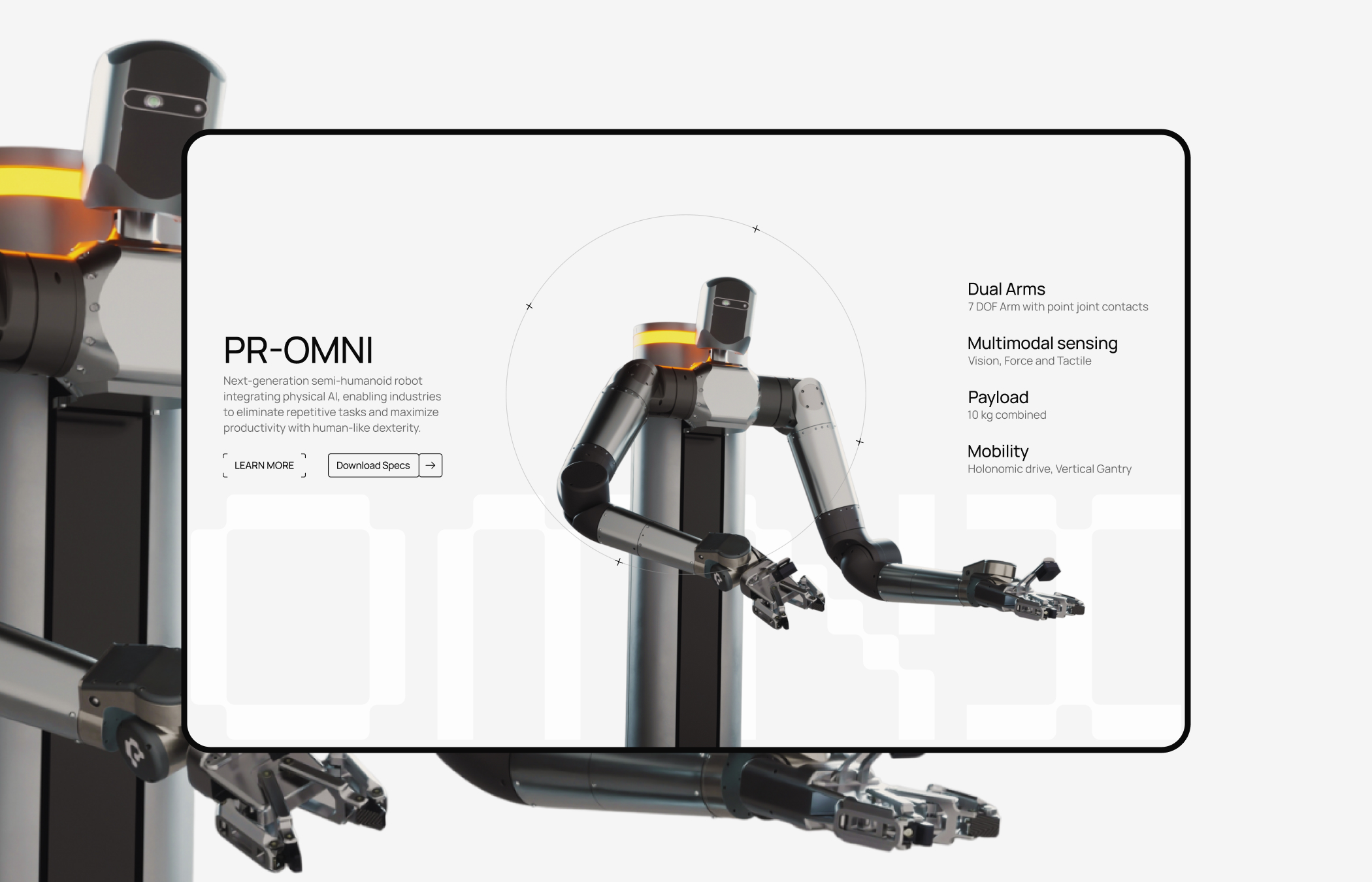
Explore the Web development process behind the perceptyne.
Is Shopify Safe?
Yes, Shopify is considered one of the safest eCommerce platforms available.
Every Shopify store includes SSL encryption, PCI DSS compliance, secure payment processing, fraud analysis, and automatic security updates. Since Shopify manages hosting and infrastructure, merchants don’t need to worry about server security or software patches.
Shopify also offers two-factor authentication, secure customer data handling, and reliable cloud hosting with high uptime.
While Shopify provides strong platform security, store owners should also follow best practices, such as using strong passwords, enabling two-factor authentication, and installing trusted apps.
Overall, Shopify offers enterprise-grade security that makes it a trusted choice for businesses of all sizes.
Common Challenges of Using Shopify Long Term
No platform is perfect, and Shopify has a few limitations businesses should understand before making a long-term commitment.
Monthly Fees
Unlike open-source platforms, Shopify requires an ongoing subscription. While predictable, these recurring costs should be factored into long-term budgeting.
App Dependency
Some advanced functionality requires third-party apps, increasing both costs and operational complexity.
Checkout Customization
Standard Shopify plans provide limited checkout customization. Businesses requiring complete checkout control may need Shopify Plus.
URL Structure
Shopify uses predefined URL formats for products and collections. Although this rarely impacts rankings significantly, some SEO professionals prefer greater flexibility.
Platform Lock-In
Migrating away from Shopify is possible but requires careful planning. Businesses should maintain organized product data and regularly back up important information.
Advanced Customization Costs
Highly customized features often require experienced Shopify developers, which can increase implementation costs.
Despite these challenges, many businesses find that Shopify’s reliability, security, and ease of use outweigh its limitations.
Which Businesses Benefit Most from Shopify?
Shopify supports a wide variety of industries and business models.
It is particularly well suited for:
- Direct-to-consumer (DTC) brands
- Fashion and apparel retailers
- Beauty and skincare businesses
- Electronics stores
- Home décor brands
- Subscription-based businesses
- Print-on-demand stores
- International retailers
- B2B businesses using Shopify’s wholesale capabilities
- Small and medium-sized businesses
- Enterprise retailers using Shopify Plus
Its flexibility allows businesses to start small while scaling confidently as demand increases.
When Shopify May Not Be the Best Choice
Although Shopify works well for most online retailers, certain businesses may benefit from alternative platforms.
Shopify may not be ideal if you require:
- Highly specialized marketplace functionality
- Extremely complex B2B purchasing workflows
- Full ownership of hosting infrastructure
- Unlimited backend customization
- A completely open-source environment
- Very tight budgets that cannot accommodate recurring subscription costs
In these situations, platforms such as WooCommerce or Magento may offer greater flexibility, albeit with increased technical responsibility.
Tips for Making Shopify a Long-Term Investment
To maximize Shopify’s value over time, follow these best practices:
- Choose reliable, well-reviewed apps.
- Optimize SEO from the beginning.
- Invest in a high-quality, conversion-focused theme.
- Monitor app subscriptions regularly.
- Improve page speed by minimizing unnecessary scripts.
- Focus on delivering an exceptional customer experience.
- Automate repetitive tasks wherever possible.
- Review your store’s security settings periodically.
- Plan for international expansion using Shopify Markets.
- Continuously analyze performance data and refine your strategy.
Small improvements made consistently can produce significant long-term growth.
Final Verdict: Is Shopify Good for Long-Term Business?
For the vast majority of online businesses, the answer is yes.
Shopify combines scalability, reliability, security, and ease of use into a platform capable of supporting businesses from startup to enterprise. Its extensive app ecosystem, built-in marketing tools, SEO features, and continuous innovation make it a future-ready solution for brands focused on sustainable growth.
That said, Shopify isn’t the perfect choice for every business. Companies requiring highly customized functionality, complete server control, or complex marketplace architectures may find greater flexibility with open-source alternatives like WooCommerce or Magento. Additionally, recurring subscription fees and app costs should be carefully considered when calculating long-term expenses.
Before choosing Shopify, ask yourself the following questions:
- Do you want a platform that minimizes technical maintenance?
- Are you planning to scale your business over the next five to ten years?
- Is ease of use a priority for your team?
- Do you value built-in security, hosting, and automatic updates?
- Can your budget accommodate monthly platform and app costs?
If your answer to most of these questions is yes, Shopify is likely to be a smart long-term investment. Its proven ability to support businesses of all sizes, from small startups to globally recognized brands, makes it one of the most dependable eCommerce platforms available today.
Ultimately, the best eCommerce platform is the one that aligns with your business goals, operational needs, and future growth strategy. For many entrepreneurs and established retailers alike, Shopify continues to deliver the tools, reliability, and scalability needed to build a successful online business for years to come.