

In highly competitive markets where products often look the same, brand psychology becomes the defining factor that sets companies apart. It goes beyond pricing and features, shaping how customers perceive and connect with a brand. For decision makers, this is not just a creative exercise but a strategic tool that drives real business impact. A strong brand builds trust, creates emotional resonance, and stays memorable in the minds of customers. This leads to better conversions, stronger retention, and sustainable growth. It also allows businesses to command higher prices by enhancing perceived value. In the long run, brand psychology turns customer perception into loyalty and a lasting competitive edge.
Defining Brand Psychology
Brand psychology refers to how a brand influences the perceptions, emotions and behaviors of its audience. It focuses on shaping how people think and feel about a brand beyond just its products or services. By combining insights from behavioral science design storytelling and consumer behavior it creates deeper connections with customers. This approach helps brands move beyond functional value to emotional relevance. It ensures that people not only recognize a brand but also relate to it. Ultimately it is about influencing how people feel about a brand, not just what they know about it.
At its core brand psychology answers a critical question about customer choice. It explains why people choose one brand over others even when cheaper or more convenient options are available. The answer lies in perception, emotional connection and trust rather than just price or features.
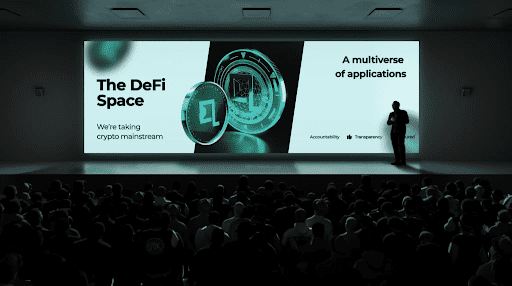
Explore the Branding behind the Quint.
Why It Matters at the Leadership Level
01. Brand psychology aligns perception with business outcomes, making it a strategic growth driver
Brand psychology ensures that how customers feel about a brand directly supports business goals like revenue growth and market share. It connects intangible elements such as trust, emotions, and beliefs with measurable outcomes like conversions and retention. When perception is intentionally shaped, it reduces randomness in customer behavior. Leaders can then make more predictable, data informed decisions. This alignment transforms branding from a creative exercise into a core strategic function that drives growth.
02. Enables premium pricing as customers perceive higher value, trust, and identity alignment
When a brand successfully builds a strong psychological connection, customers are less price sensitive. They associate the brand with higher quality, reliability, and status, which justifies paying more. Emotional resonance and identity alignment make the product feel worth it beyond its functional benefits. This reduces reliance on discounts or price wars. Over time, premium perception strengthens margins and positions the brand as a category leader rather than a commodity.
03. Reduces customer acquisition costs by increasing familiarity and faster conversions
A psychologically strong brand becomes recognizable and trusted even before a purchase decision begins. Familiarity lowers hesitation and reduces the need for extensive persuasion. Customers move faster through the decision making process because they already feel confident in the brand. This leads to higher conversion rates from the same marketing spend. As a result, businesses can acquire customers more efficiently and scale growth without proportionally increasing budgets.
04. Strengthens customer loyalty and retention through emotional connections
Brands that connect emotionally create deeper relationships than those relying only on functional value. Customers feel understood, valued, and aligned with the brand’s identity and purpose. This emotional bond increases repeat purchases and long term engagement. It also reduces churn, even when competitors offer similar or cheaper alternatives. Over time, loyal customers become advocates, further amplifying the brand’s reach and credibility.
05. Creates a defensive advantage since competitors cannot easily replicate perception
While products, features, and pricing can be copied, perception is much harder to imitate. It is built over time through consistent messaging, experiences, and emotional associations. Competitors may match offerings, but they cannot easily recreate the same trust or identity connection in customers’ minds. This creates a protective barrier around the brand. It allows the business to maintain its position even in highly competitive markets.
06. Improves marketing efficiency as the brand itself builds credibility and recall
A strong brand reduces the effort required for each campaign because it carries built in credibility. Customers are more likely to pay attention, trust the message, and remember it. This increases the effectiveness of every marketing channel from ads to content to word of mouth. Campaigns do not have to work as hard to convince the audience. Over time, this leads to better return on investment and more consistent performance across marketing initiatives.
07. Supports long term growth by turning perception into a sustainable competitive edge
Brand psychology builds an asset that compounds over time rather than depreciates. As perception strengthens, it continuously influences new and existing customers in favor of the brand. This creates a stable foundation for expansion into new products, markets, or segments. Unlike short term tactics, perception driven advantages are enduring. It ultimately transforms the brand into a long term growth engine and a sustainable competitive moat.
Measuring the Impact of Brand Psychology
While brand psychology is often seen as intangible, its impact can be measured through clear business indicators. Understanding these metrics helps decision makers treat branding as a performance driver rather than a subjective effort. The key is to connect perception with outcomes that influence growth, efficiency, and profitability. When tracked consistently, these signals provide early insight into brand strength and market position. They also help refine strategy over time based on real customer response.
Key Indicators to Track
| Metric | What It Reflects | Why It Matters |
| Brand Recall | How easily customers remember your brand | Indicates strength of mental availability |
| Customer Trust | Confidence in your brand | Directly impacts conversion and retention |
| Price Sensitivity | Willingness to pay more | Reflects perceived value strength |
| Conversion Rate | Speed of decision making | Shows effectiveness of perception |
| Customer Retention | Repeat engagement | Measures emotional connection |
| Net Promoter Score | Likelihood to recommend | Signals loyalty and advocacy |
What gets measured gets managed. Tracking perception driven metrics makes brand psychology measurable and actionable. It helps link customer perception to real business outcomes like conversion and retention. This enables continuous improvement and stronger strategic decisions over time.
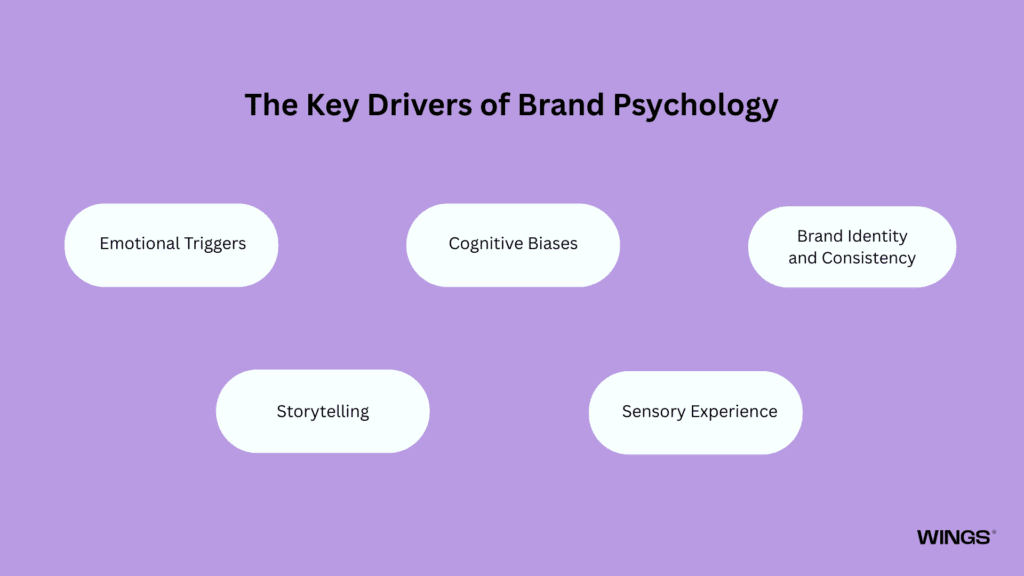
The Key Drivers of Brand Psychology
Emotional Triggers
People rarely make purely rational decisions. Emotions play a central role in how customers perceive and choose brands. When a brand evokes feelings such as trust, excitement, belonging, or nostalgia, it creates deeper psychological connections that go beyond product features. These emotional associations make the brand more memorable and influential during decision making. Over time, consistent emotional engagement strengthens brand recall and preference. This is what turns occasional buyers into long term loyal customers.
Invest in emotional positioning as much as functional differentiation. Emotional resonance builds gradually but compounds in impact over time. Brands that win emotionally often outperform those that compete only on logic or features.
Cognitive Biases
Consumers rely on mental shortcuts to make decisions quickly in a complex environment. Brand psychology uses these cognitive biases such as social proof, authority bias, scarcity, and anchoring to influence perception and behavior. For example, seeing others trust a brand increases confidence, while limited availability creates urgency. These biases reduce decision fatigue and help customers feel more certain about their choices. When used effectively, they guide decisions without requiring extensive explanation. This makes the customer journey smoother and more intuitive.
Design experiences that guide decisions subtly rather than overwhelming customers with information. The goal is to simplify choices, not complicate them, by aligning with how people naturally think.
Brand Identity and Consistency
Consistency is one of the strongest drivers of trust in branding. When a brand presents itself consistently across all touchpoints, it becomes familiar and recognizable. This includes visual design, tone of voice, messaging, and overall experience. Familiarity reduces uncertainty and builds confidence in the brand over time. Inconsistent branding, on the other hand, creates confusion and weakens credibility. Strong identity systems ensure that every interaction reinforces the same psychological signals.
Fragmented branding erodes trust faster than poor advertising. Consistency across channels and experiences is essential for building a reliable and credible brand presence.
Storytelling
Humans are naturally drawn to stories because they create meaning and emotional engagement. A strong brand narrative helps customers understand not just what the brand offers, but why it exists. Stories make brands relatable and memorable in ways that specifications or features cannot. They allow customers to see themselves reflected in the brand’s journey or purpose. This emotional alignment strengthens connection and loyalty. Over time, storytelling transforms a brand from a product into a meaningful experience.
Your brand story should align with your customers identity, not just your company history. The most powerful stories are those where the customer sees themselves as part of the narrative.
Sensory Experience
Sensory elements such as colors, typography, sounds, and interactions shape how a brand is perceived at a subconscious level. For example, blue often signals trust and stability, while red conveys urgency and excitement. Clean and minimal design can communicate sophistication and clarity. These elements influence perception instantly, even before a customer processes any message. A well designed sensory experience creates coherence and reinforces brand positioning. It ensures that every interaction feels intentional and aligned.
Design is not just aesthetic, it is psychological infrastructure. Every visual and sensory choice should be made with intent, as it directly impacts how customers perceive and respond to the brand.
Applying Brand Psychology in Strategic Decisions
Positioning Strategy
Instead of asking what we sell, the more powerful question is how we want to be perceived. Positioning rooted in psychology focuses on shaping identity, emotional relevance, and clear differentiation in the customer’s mind. It defines not just the category you operate in, but the meaning customers attach to your brand. Strong positioning creates a mental shortcut that makes your brand easier to choose. It also ensures consistency across products, messaging, and experiences. Over time, this clarity becomes a powerful competitive advantage.
Product and Pricing Decisions
Customers do not evaluate products purely based on cost or features, they evaluate perceived value. This perception is shaped by branding, presentation, trust, and emotional appeal. A strong brand elevates the same product into something more desirable and premium. This allows companies to command higher prices without necessarily increasing production costs. In contrast, weak branding forces businesses into price competition, reducing margins and long term sustainability. Pricing, therefore, is as much a psychological decision as it is a financial one.
Marketing and Communication
Effective marketing is not just about delivering information, it is about creating instant recognition and emotional response. Customers should immediately understand what the brand stands for and why it matters to them. Clear communication reduces friction and builds trust faster than overly clever or complex messaging. Emotional connection makes messages memorable and actionable. When communication aligns with psychological triggers, it increases engagement and conversion. Over time, consistent messaging strengthens brand recall and influence.
Customer Experience
Every interaction a customer has with a brand reinforces or challenges their expectations. These experiences shape perception more powerfully than advertising alone. A smooth onboarding process builds confidence from the start, while responsive and human support strengthens trust. Reliable delivery reinforces credibility and consistency. When experiences align with brand promises, they create a sense of dependability. Over time, consistent positive experiences turn customers into loyal advocates.

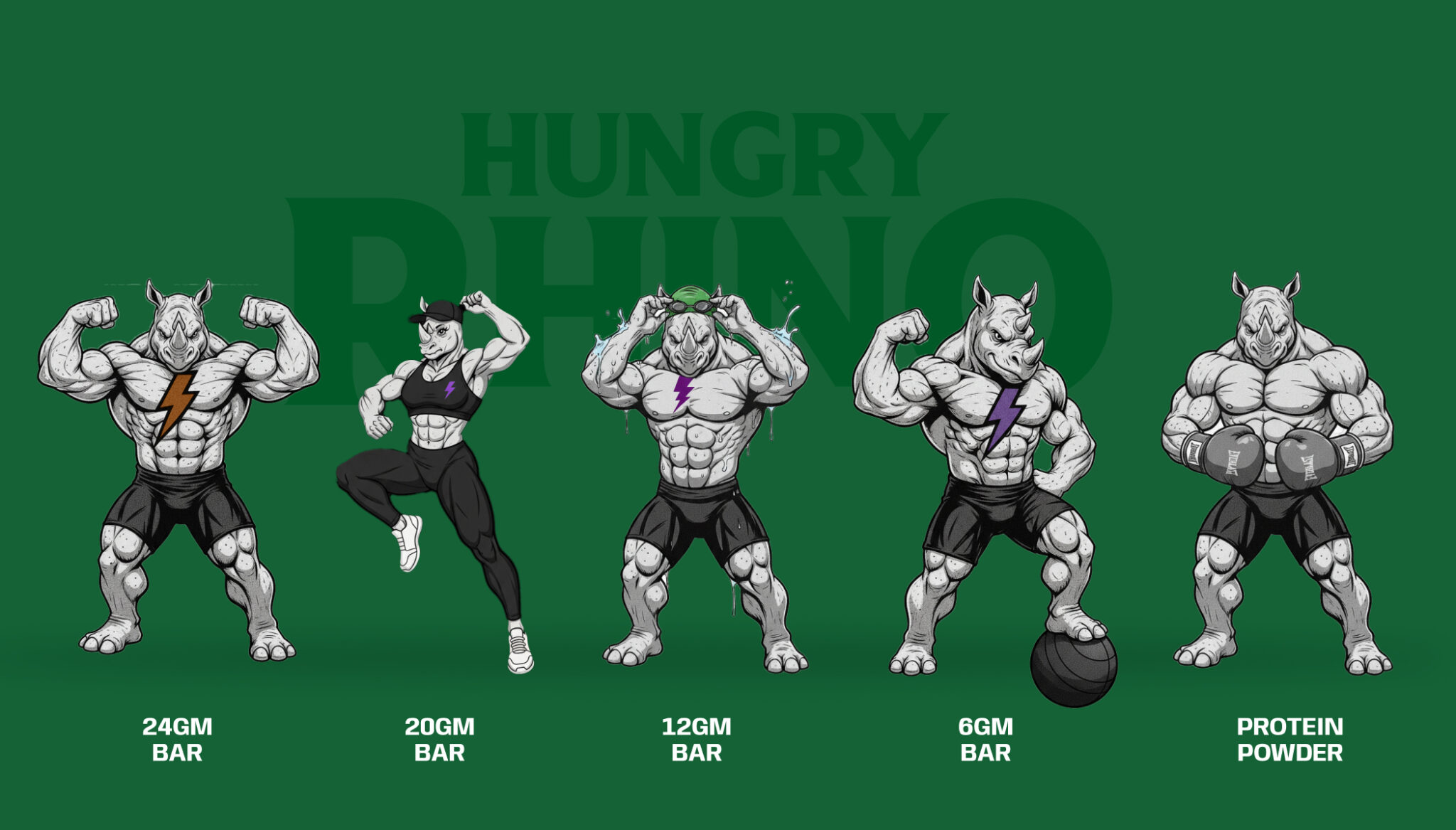
Explore the Branding behind the Hungry Rhino.
Common Mistakes Leaders Make
Focusing Too Much on Features Instead of Perception
Many businesses overemphasize product features, assuming that better functionality alone will drive decisions. However, customers interpret value through perception, not just specifications. A feature rich product without a strong perceived identity often struggles to stand out. Competitors can easily match or exceed features, but perception creates lasting differentiation. When brands fail to shape how they are perceived, they risk becoming interchangeable. Over time, this leads to price competition instead of value driven growth.
Inconsistent Messaging Across Channels
When a brand communicates differently across platforms, it creates confusion and weakens trust. Customers rely on consistency to form clear mental associations about what a brand stands for. Mixed messages disrupt familiarity and make the brand feel unreliable. This inconsistency reduces the effectiveness of marketing efforts and slows down decision making. Every interaction should reinforce the same core identity and values. Consistency is what turns repeated exposure into recognition and trust.
Ignoring Emotional Drivers in Business to Business Markets
There is a common misconception that business to business decisions are purely rational. In reality, decision makers are still influenced by emotions such as trust, confidence, and risk reduction. Choosing a vendor often involves personal reputation, career risk, and internal justification. Brands that ignore these emotional factors miss a critical layer of influence. Emotional reassurance can be the deciding factor when options are similar. Even in complex buying processes, perception and feeling shape final decisions.
Treating Branding as a One Time Project Instead of an Ongoing System
Branding is often approached as a one time exercise such as a logo redesign or campaign launch. In reality, brand perception is continuously shaped by every interaction and experience. Markets evolve, customer expectations shift, and competitors reposition themselves. Without ongoing refinement, a brand can quickly become outdated or irrelevant. Treating branding as a system ensures it adapts while maintaining consistency. It requires continuous alignment across strategy, communication, and execution.
The Strategic Takeaway
Brand psychology is not about manipulation, it is about alignment. It ensures that what a business offers is clearly understood, emotionally relevant, and meaningfully positioned in the minds of customers. This alignment connects product value with how customers think, how they feel, and how they ultimately make decisions. When done effectively, it removes friction and builds natural preference. It shifts the focus from pushing messages to creating resonance. Over time, this alignment becomes a powerful driver of trust, loyalty, and growth.
For decision makers, the real shift is this. Strategy is no longer limited to managing products, operations, or marketing outputs. The real responsibility is managing perception at every level of the business. Every decision, from pricing to communication to customer experience, shapes how people interpret the brand. This requires intentional consistency and clarity across all touchpoints. It also demands a deeper understanding of customer psychology, not just market data.
You are not just managing a product or service, you are managing how people interpret it. That interpretation influences whether customers trust you, choose you, and stay with you. It determines how much they are willing to pay and how strongly they advocate for your brand. In a crowded and competitive market, objective differences matter less than perceived differences. This makes perception one of the most valuable strategic assets a business can build.
In today’s market, interpretation becomes reality. The brands that succeed are not always those with the best products, but those that are best understood and most meaningfully positioned. Perception shapes experience, and experience reinforces perception in a continuous cycle. Leaders who recognize and actively manage this dynamic gain a significant advantage. Those who ignore it risk being overlooked, regardless of the quality they offer.
Conclusion
Companies that win are not always the ones with the best products, they are the ones that are understood, remembered, and trusted faster. In a crowded market, attention is limited and decisions are made quickly, so the brands that create instant clarity and emotional connection gain a decisive edge. Being recognized is not enough, being meaningfully understood is what drives action. Trust accelerates decisions, and familiarity reduces hesitation. Together, these factors determine how quickly a brand moves from awareness to preference.
Brand psychology is where perception meets profit. It transforms intangible impressions into tangible business outcomes such as higher conversion, stronger loyalty, and sustained growth. When perception is intentionally shaped, it influences every stage of the customer journey. This makes branding not just a communication tool, but a core driver of financial performance.

Akshita Shivani Sundar
Senior Graphic Designer