

In boardrooms and strategy meetings across industries, a quiet but decisive shift is underway. Digital products are no longer evaluated purely on their technical capabilities or feature sets. Instead, the conversation has evolved toward something more nuanced and ultimately more impactful: the quality of the user experience.
For decision makers, this shift is not a matter of design preference or aesthetic refinement. It represents a fundamental change in how value is created, delivered, and sustained in a digital-first economy. Experience-led products are no longer a competitive advantage reserved for a few forward-thinking organizations; they are rapidly becoming the baseline expectation.
The End of Feature-Centric Thinking
For decades, product strategy revolved around features. The assumption was simple: more functionality equated to more value. Product roadmaps became checklists, with success measured by how many new capabilities could be delivered within a given timeframe.
However, this approach has reached a point of diminishing returns. In many categories, feature parity is already achieved. Competitors offer similar capabilities, often at comparable price points. As a result, differentiation based solely on functionality has become increasingly difficult.
Users, meanwhile, have grown more discerning. They are not just comparing what products can do, they are comparing how those products make them feel. Friction, confusion, and inefficiency are no longer tolerated, even if the underlying functionality is strong.
For decision makers, this signals a critical pivot. Continuing to invest heavily in feature expansion without addressing experience gaps can lead to bloated products that underperform in the market.

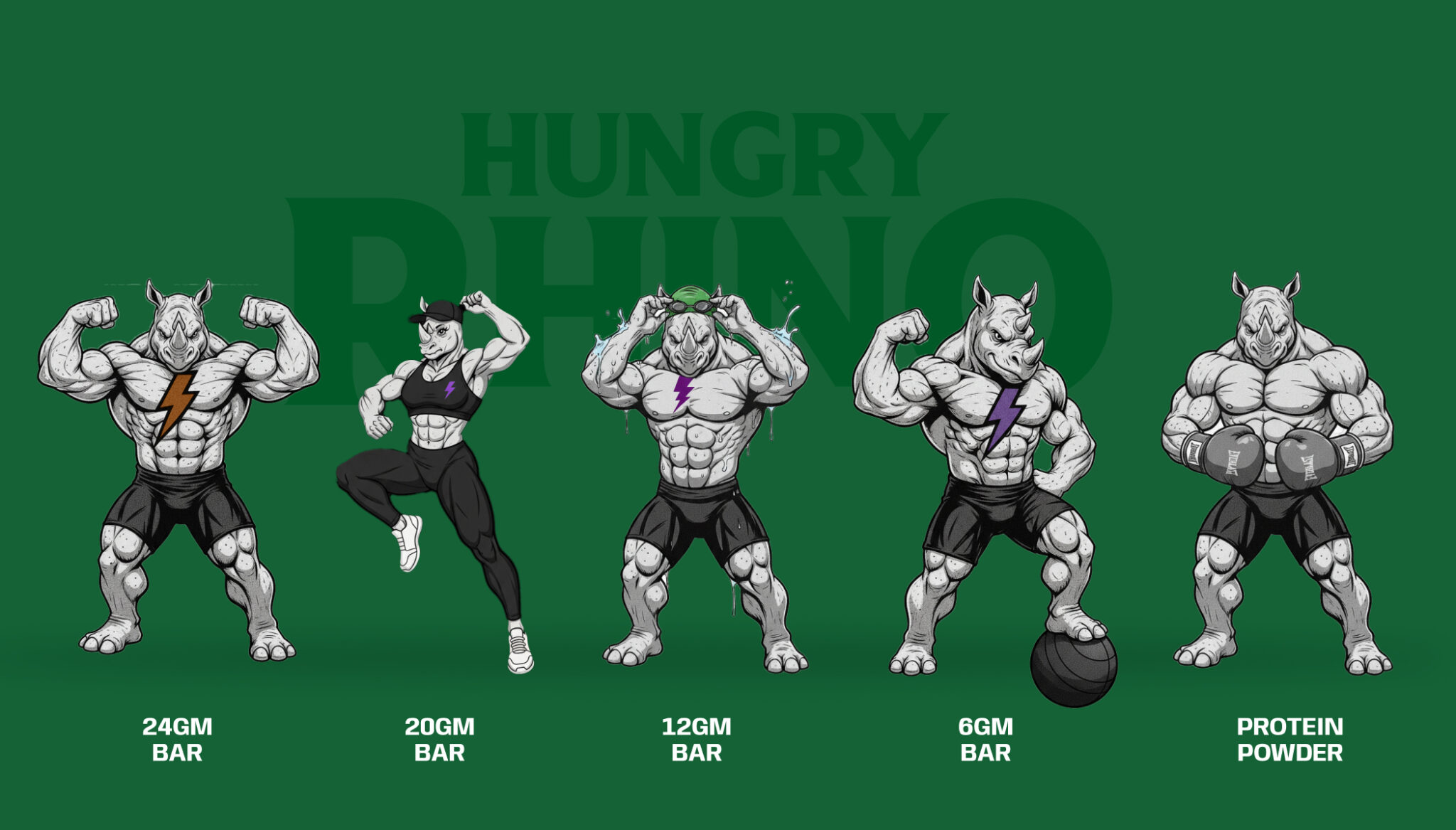
Explore the digital products behind the blyp.
Experience as a Strategic Lever
Experience-led design is often misunderstood as a surface-level concern, something confined to user interfaces or visual polish. In reality, it is a strategic discipline that influences every aspect of a digital product.
An experience-led product is one that:
- Anticipates user needs rather than reacting to them
- Minimizes cognitive load and decision fatigue
- Creates a sense of continuity across touchpoints
- Builds emotional trust through consistency and reliability
These qualities do not emerge by accident. They are the result of deliberate choices made at the leadership level.
From a business perspective, the impact is measurable. Improved user experience leads to higher engagement, increased retention, and stronger customer advocacy. It reduces support costs, accelerates onboarding, and enhances lifetime value.
In other words, experience is not just a design outcome, it is a growth driver.
The Economics of Experience
One of the most compelling arguments for experience-led products lies in their economic efficiency. While feature development often requires continuous investment to maintain competitiveness, experience improvements tend to compound over time.
Consider onboarding. A well-designed onboarding experience can significantly reduce churn in the early stages of product adoption. This, in turn, lowers customer acquisition costs by improving conversion rates and maximizing the value of existing traffic.
Similarly, reducing friction in key workflows can lead to higher task completion rates, directly impacting revenue in transactional products. Even small improvements in usability can yield outsized returns when applied at scale.
For decision makers, this reframes how investment decisions are made. Experience initiatives should not be viewed as discretionary spending, they are high-leverage opportunities with clear financial implications.
Leadership’s Role in Driving the Shift
Transitioning to an experience-led approach requires more than incremental adjustments. It demands a shift in organizational mindset, and that shift must be led from the top.
Leadership plays a critical role in:
- Defining experience as a core strategic priority
- Aligning cross-functional teams around user-centric goals
- Allocating resources to research, design, and iteration
- Establishing accountability for experience outcomes
Without executive sponsorship, experience efforts often remain fragmented. Design teams may produce high-quality work, but without alignment from product and engineering, those efforts fail to scale.
Decision makers must also be willing to challenge existing assumptions. This includes questioning long-standing metrics, rethinking product roadmaps, and embracing a more iterative approach to development.
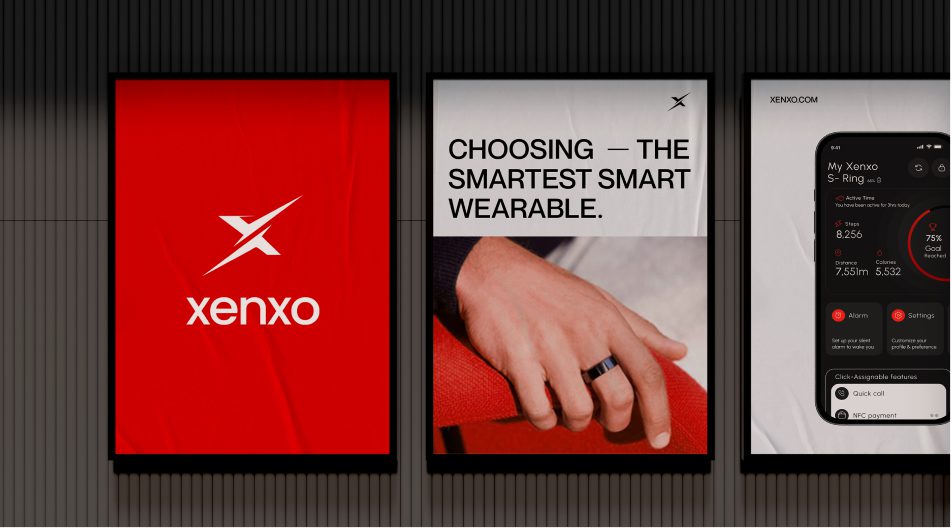
Explore the digital products behind the xenxo.
Breaking Down Organizational Silos
One of the biggest barriers to experience-led products is organizational fragmentation. In many companies, product, design, engineering, marketing, and customer support operate in silos, each with its own priorities and metrics.
This structure makes it difficult to deliver cohesive experiences. Users do not interact with departments, they interact with products. Any disconnect between teams becomes immediately visible in the user journey.
An experience-led organization, by contrast, is built around collaboration. Insights from customer support inform product decisions. Design and engineering work in tandem from the earliest stages. Marketing aligns messaging with actual product capabilities.
For decision makers, enabling this level of integration requires both structural and cultural change. It may involve redefining roles, revising workflows, and investing in tools that facilitate collaboration.
The Role of Data and Insight
Experience-led products are grounded in a deep understanding of user behavior. This understanding comes from a combination of quantitative data and qualitative insight.
Analytics can reveal patterns, where users drop off, how long tasks take, which features are underutilized. However, data alone does not explain why these patterns occur.
This is where user research becomes critical. Interviews, usability testing, and feedback loops provide context that numbers cannot capture. They uncover pain points, motivations, and unmet needs.
For decision makers, the challenge is not just collecting data, but integrating it into decision-making processes. Insights must be accessible, actionable, and prioritized alongside other business considerations.
Organizations that succeed in this area treat user insight as a strategic asset, not an afterthought.
Technology as an Experience Enabler
Advancements in technology have significantly expanded the possibilities for creating rich, personalized experiences. Artificial intelligence, machine learning, and real-time data processing allow products to adapt dynamically to user behavior.
However, there is a risk in over-relying on technology as a differentiator. Without a clear experience strategy, even the most advanced tools can result in fragmented or confusing interactions.
For example, personalization without coherence can feel intrusive rather than helpful. Automation without transparency can erode trust.
Decision makers must ensure that technology investments are guided by experience principles. The goal is not to implement the latest innovation, but to enhance the user journey in meaningful ways.
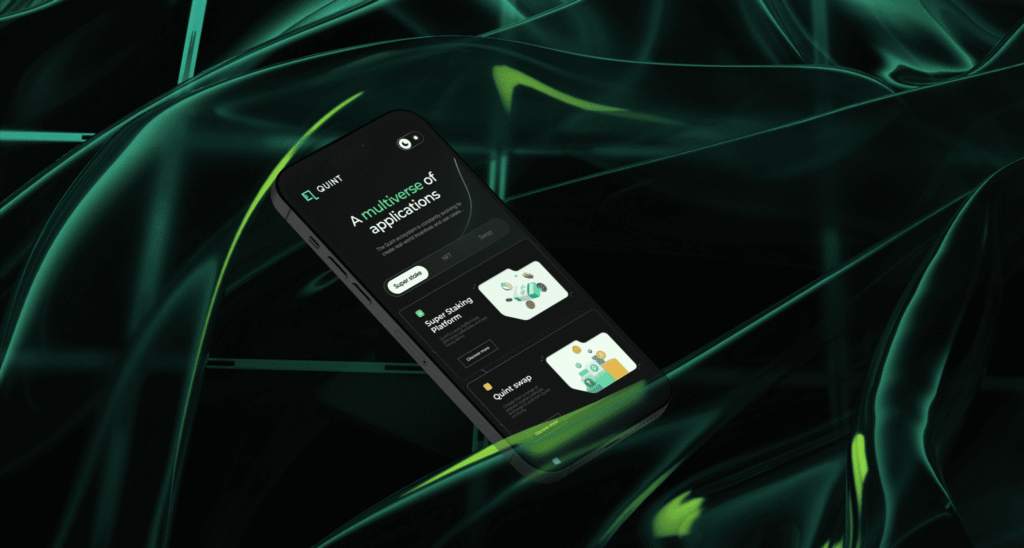
Explore the digital products behind the quint.
Redefining Success Metrics
Traditional performance metrics often fail to capture the true impact of experience. Measures such as feature delivery timelines or system uptime, while important, do not reflect how users perceive and interact with a product.
Experience-led organizations adopt a broader set of metrics, including:
- Customer satisfaction and sentiment
- Net promoter score (NPS)
- Customer effort score (CES)
- Retention and churn rates
- Task success rates and time-to-completion
These metrics provide a more holistic view of product performance. They also create alignment across teams by focusing on outcomes rather than outputs.
For decision makers, redefining success metrics is a critical step in sustaining the shift toward experience-led thinking.
Managing Trade-Offs
Adopting an experience-led approach does not eliminate trade-offs, it changes how they are evaluated.
There will always be tension between speed and quality, innovation and stability, customization and simplicity. The difference lies in how these trade-offs are resolved.
In a feature-led model, decisions are often driven by internal priorities, what can be built quickly, what aligns with technical constraints, what competitors are doing.
In an experience-led model, the primary lens is the user. Decisions are evaluated based on their impact on the overall experience, even if that means delaying certain features or reworking existing ones.
This requires discipline and clarity at the leadership level. Not every request should be fulfilled, and not every feature should be built. Focus becomes a key differentiator.
Building a Culture of Continuous Improvement
Experience is not a one-time achievement, it is an ongoing process. User expectations continue to evolve, and products must evolve with them.
This makes continuous improvement a cornerstone of experience-led organizations. Instead of large, infrequent releases, teams adopt iterative cycles, testing and refining experiences based on real-world feedback.
For decision makers, this involves:
- Encouraging experimentation and learning
- Accepting that not all initiatives will succeed
- Creating safe environments for innovation
- Investing in tools and processes that support rapid iteration
A culture of continuous improvement ensures that experience remains a dynamic, living aspect of the product, rather than a static deliverable.
The Competitive Landscape
As more organizations adopt experience-led strategies, the competitive landscape is shifting. Users are gravitating toward products that not only meet their needs but do so effortlessly.
This creates a widening gap between experienced leaders and laggards. Companies that fail to prioritize experience risk losing relevance, even if their core offerings remain strong.
On the other hand, organizations that excel in experience can command premium positioning, build stronger brand loyalty, and create barriers to entry that are difficult for competitors to overcome.
For decision makers, this underscores the urgency of the shift. Experience is not just about keeping up, it is about staying ahead.
Conclusion
The move toward experience-led digital products reflects a broader transformation in how value is defined in the digital age. Functionality is expected. Experience is remembered.
As decision makers navigate this transition, the key is to view experience not as a layer added on top of existing products, but as a foundation upon which those products are built.
This requires commitment, alignment, and a willingness to rethink established practices. It involves investing in people, processes, and technologies that support a user-centric approach.
Most importantly, it demands a long-term perspective. Experience-led transformation does not happen overnight, but the organizations that embrace it early are the ones that will shape the future of digital products.
The question is no longer whether experience matters, it clearly does. The real question for decision makers is how boldly they are willing to act on that reality.

Vidhya Shree
Senior Visual Designer