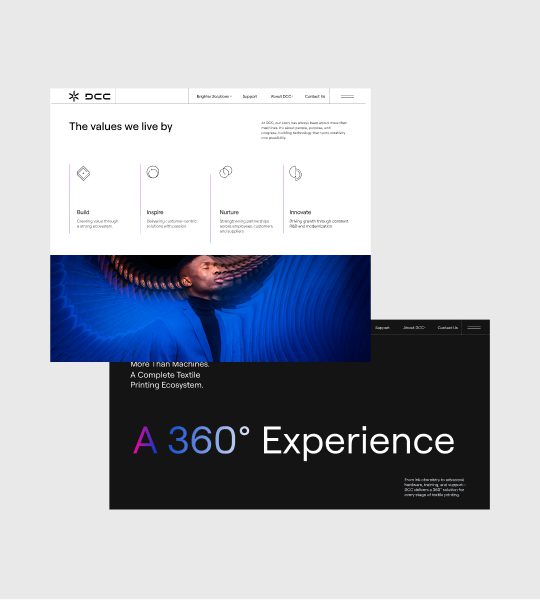


Businesses today compete on more than the quality of their products or services. Every interaction a customer has with a brand, from discovering it online to navigating its website or using its digital products, shapes how they perceive the business. These interactions collectively form the digital experience, an increasingly important factor in how modern businesses attract customers, build trust and sustain growth.
As customer expectations continue to evolve, businesses need digital platforms that do more than communicate information. They must create meaningful interactions, simplify decision-making and consistently reflect the value of the brand. A well-designed digital experience connects business objectives with customer needs, turning everyday interactions into opportunities for long-term growth.

Explore Luxury Watchmaking Through Digital Design
1. First Impressions Shape Brand Perception
A business website is often the first meaningful interaction a potential customer has with a brand. Before speaking with a sales representative or exploring a product, customers form opinions based on what they see and experience online. Visual consistency, intuitive navigation, content structure and overall usability all influence whether a business appears credible and relevant.
A thoughtfully designed digital presence communicates professionalism and establishes confidence from the beginning. In contrast, outdated interfaces, confusing navigation and inconsistent brand elements can weaken trust, regardless of how good the underlying offering may be. For businesses competing in crowded markets, a strong first impression can make a meaningful difference in how potential customers evaluate their options.
2. Better User Experiences Drive Customer Engagement
Customer engagement depends heavily on how easily people can interact with a digital platform. Whether someone is browsing a corporate website, exploring an ecommerce store or using a mobile application, the experience should feel intuitive and purposeful. Every additional step, unclear instruction or unnecessary interaction creates friction that can affect the customer’s willingness to continue.
User experience design addresses these challenges by understanding customer behaviour, identifying pain points and creating interfaces around real user needs. Clear information architecture, intuitive navigation, responsive layouts and accessible interactions help customers find what they need without unnecessary effort. When digital platforms are designed around usability, businesses can improve engagement, encourage repeat interactions and create stronger customer relationships.
3. Consistent Digital Branding Builds Recognition
A brand’s identity should remain recognisable across every digital touchpoint. Websites, mobile applications, social media platforms and digital campaigns all contribute to how customers understand and remember a business. When these experiences feel disconnected, the brand can appear inconsistent and difficult to recognise.
A cohesive digital brand experience brings together visual identity, messaging, typography, colour systems and interaction patterns under a consistent design direction. This consistency helps businesses communicate their positioning more effectively while creating a familiar experience across channels. For established businesses and growing enterprises, a well-defined digital identity also provides a foundation for maintaining brand recognition as their products, services and customer touchpoints expand.
4. High-Performing Websites Support Business Objectives
A business website should function as more than a digital brochure. It needs to guide visitors towards meaningful actions, whether that means enquiring about a service, exploring a product, booking a consultation or completing a purchase. The structure and functionality of the website play an important role in turning visitor interest into business opportunities.
Strategic website design combines user experience, content hierarchy, conversion-focused layouts and technical performance. Fast-loading pages, mobile responsiveness, intuitive navigation and clear calls to action make it easier for visitors to move through the customer journey. When these elements work together, a website becomes a valuable business asset that supports marketing, sales and customer acquisition.
5. Scalable Digital Experiences Prepare Businesses for the Future
Business requirements rarely remain the same over time. New markets, expanding product portfolios, changing customer expectations and evolving technologies create new demands on digital platforms. A website or application that works well today may become difficult to manage as the business grows.
Scalable digital experiences are built with long-term flexibility in mind. Modular design systems, adaptable content management structures, well-planned development architecture and reusable components make it easier to introduce new features and expand digital platforms without rebuilding everything from the ground up. This approach allows businesses to respond to changing requirements while maintaining consistency, performance and usability.
6. Data-Driven Design Leads to Better Decisions
Understanding how customers interact with digital platforms helps businesses make more informed decisions. Website analytics, user behaviour patterns, conversion data and customer feedback reveal where users engage, where they encounter difficulties and which interactions influence their decisions.
These insights can inform improvements to navigation, page layouts, content placement and conversion journeys. Rather than relying entirely on assumptions, businesses can use real interaction data to identify opportunities and refine their digital experiences over time. When combined with user research and design expertise, data-driven decision-making helps ensure that digital platforms continue to meet both customer expectations and business objectives.
7. Connected Digital Touchpoints Create Seamless Customer Journeys
Modern customers rarely interact with a business through a single channel. They may discover a brand through social media, visit its website, compare products on an ecommerce platform and eventually make an enquiry through another channel. Each interaction contributes to the overall customer experience.
Businesses need to ensure that these touchpoints feel connected rather than operating as isolated digital properties. Consistent branding, clear communication, responsive interfaces and integrated digital systems help create a smoother journey from discovery to conversion. A connected experience reduces friction, reinforces brand credibility and makes it easier for customers to engage with a business across platforms.
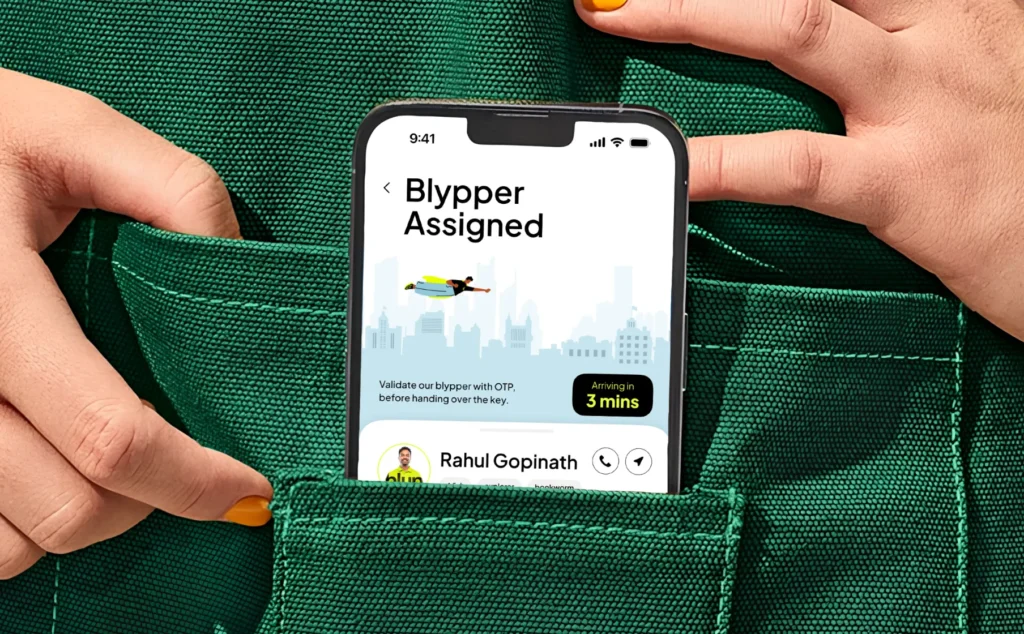
Building a Distinctive Digital Identity for Blyp
Building Digital Experiences That Create Lasting Business Value
Digital experiences have become an important part of how businesses compete, communicate and grow. From shaping first impressions and strengthening customer engagement to supporting conversions and enabling scalability, every digital interaction contributes to the larger business experience.
However, meaningful digital transformation requires more than adopting new technologies or refreshing visual interfaces. It starts with understanding the business, its customers and the role each digital touchpoint plays in achieving long-term objectives. Businesses that approach design and development strategically can build digital platforms that remain relevant, adaptable and valuable as they grow.
At Wings Design, we bring together strategy, branding, UI/UX design and website development to create purposeful digital experiences for ambitious businesses and established brands. Our approach connects business goals with thoughtful design and scalable digital solutions, helping brands build stronger digital foundations.
Ready to create a digital experience that moves your business forward? Explore Wings Design’s website design and development services and discover how strategic design can support your next stage of growth.