

Culture Deserves More Than a Digital Archive
Culture is not simply something to document. It is something people experience, interpret and pass on. From historical institutions and cultural organisations to heritage brands and creative communities, every cultural initiative has stories worth sharing. Yet, translating those stories into a digital experience requires more than placing photographs, historical information and descriptions on a website.
A well-designed cultural website creates a connection between the past and the present. It gives visitors an opportunity to explore traditions, understand their significance and engage with stories in ways that feel relevant to modern audiences. This requires a thoughtful combination of visual storytelling, intuitive navigation, meaningful content and user experience design.
For cultural organisations, the website should function as more than an information resource. It should become an accessible digital environment where identity, knowledge and storytelling come together.
1. Start With the Story, Not the Interface
Every cultural organisation has a distinct identity shaped by its history, people, traditions and purpose. Before considering layouts, typography or visual elements, it is important to understand what makes that identity meaningful and how it should be communicated to an audience.
Website strategy should begin with identifying the central narrative. What should visitors understand about the organisation? Which stories deserve greater visibility? How should historical information connect with contemporary perspectives? Answering these questions establishes a foundation for the entire digital experience.
This approach prevents cultural websites from becoming generic collections of information. Instead, the content structure, visual language and navigation can be developed around a consistent narrative that gives visitors a reason to explore further.
2. Use Visual Storytelling to Create Emotional Connections
Visual communication plays a significant role in how people interpret cultural information. Photography, illustrations, archival imagery, typography and carefully considered layouts can communicate the character of a cultural organisation before visitors read a single paragraph.
However, visual storytelling should serve the narrative rather than compete with it. Historical photographs should have context, important artefacts should receive appropriate attention, and visual compositions should create a natural relationship between different sections of the website.
A consistent visual language also helps establish recognition across the digital experience. Colour palettes, typography and imagery should reflect the organisation’s identity without compromising readability or accessibility. When these elements work together, the website becomes an extension of the culture it represents.
3. Build an Information Architecture That Encourages Exploration
Cultural websites often contain extensive information, including historical timelines, collections, research, events, educational resources and institutional details. Without a clear information architecture, even valuable content can become difficult to discover.
The challenge is to organise this information in a way that feels intuitive to different audiences. A researcher may be looking for detailed historical resources, while a first-time visitor may simply want an introduction to a particular tradition or cultural movement.
A well-planned navigation system accommodates these different needs without overwhelming users. Logical content categories, clear page hierarchies, contextual links and accessible search functionality help visitors move naturally through the website.
The objective is not simply to make information available. It is to make discovery effortless.
4. Design for Different Audiences and Generations
A cultural website may serve students, researchers, tourists, educators, historians and general audiences. Each group approaches the same information with different expectations, levels of familiarity and browsing behaviours.
This makes user experience research particularly important. Understanding audience needs helps determine how content should be presented, which information deserves prominence and how visitors should move through the experience.
For example, younger audiences may respond well to interactive storytelling and visually engaging content, while researchers may prioritise structured information and accessible resources. The design should accommodate these expectations without fragmenting the organisation’s identity.
Responsive design is equally important. Whether someone visits the website through a desktop, tablet or smartphone, the experience should remain consistent, accessible and easy to navigate.
5. Make Cultural Content Accessible and Inclusive
Preserving cultural knowledge digitally also means making it accessible to a wider audience. Accessibility should be considered throughout the design and development process rather than treated as a final technical adjustment.
Readable typography, sufficient colour contrast, descriptive image text, keyboard-friendly navigation and clear content structures contribute to a more inclusive experience. Video and audio content should also include appropriate alternatives, such as captions and transcripts.
Content presentation matters just as much. Avoiding unnecessarily complex language, providing context for unfamiliar terms and organising information into understandable sections can help people from different backgrounds engage with cultural material.
An inclusive digital experience ensures that valuable stories are not limited to audiences who already understand them.
6. Introduce Interaction Without Distracting From the Story
Interactive elements can make cultural websites more engaging by allowing visitors to explore information at their own pace. Digital timelines, interactive maps, virtual collections, visual archives and multimedia presentations can add depth to the experience.
However, interaction should always have a clear purpose. An animation that introduces a historical timeline can help visitors understand how events connect. An interactive map can provide geographical context to cultural traditions. A searchable collection can make extensive archives easier to explore.
The best interactions make complex information easier to understand. They should support the narrative rather than introduce unnecessary visual complexity or slow down the website.
7. Balance Authenticity With Modern Web Design
One of the biggest challenges in cultural website design is finding the right balance between heritage and contemporary digital expectations. A website should respect the identity it represents while remaining visually relevant, functional and easy to use.
This does not mean relying on traditional visual motifs or historical design references throughout the interface. Authenticity comes from understanding the organisation’s character and translating it into a distinctive visual language.
Modern typography, considered spacing, restrained motion and carefully selected imagery can create a sophisticated experience without diminishing cultural significance. The result should feel contemporary without losing its connection to the stories, people and traditions at its centre.
8. Treat Website Performance as Part of the Experience
A visually engaging website cannot deliver its full value if visitors struggle with slow loading times, broken navigation or inconsistent mobile experiences. Performance is therefore an essential part of cultural website design.
Image optimisation, efficient development practices, clean code and appropriate content management systems help maintain a reliable digital experience. This becomes particularly important for websites featuring high-resolution photography, video, archival collections and interactive content.
Search engine optimisation also plays an important role. Clear page titles, descriptive URLs, structured content, internal linking and relevant metadata help search engines understand the website and connect users with useful resources.
For cultural organisations seeking to reach audiences beyond their immediate communities, discoverability should be considered from the beginning of the website strategy.
How Wings Approaches Website Design for Culture and Heritage
At Wings Design, we approach website design as an exercise in translating identity into meaningful digital experiences. Every organisation has a different story, and the website should communicate that story through a considered combination of strategy, user experience, visual design and development.
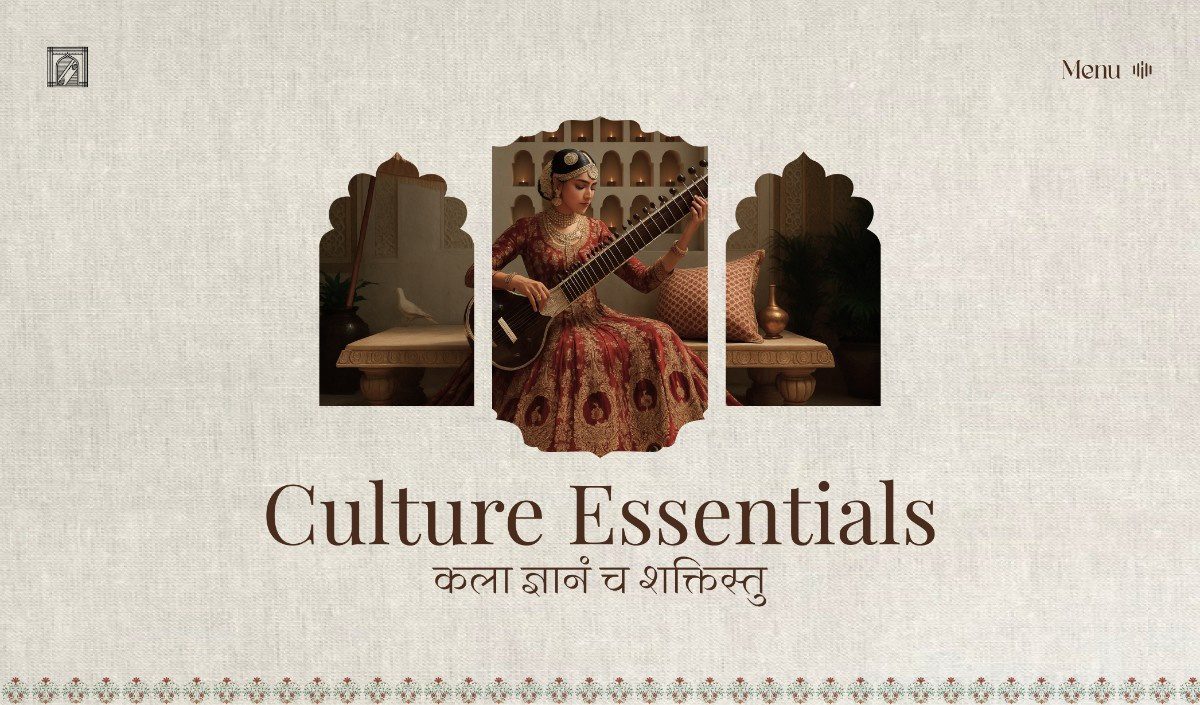
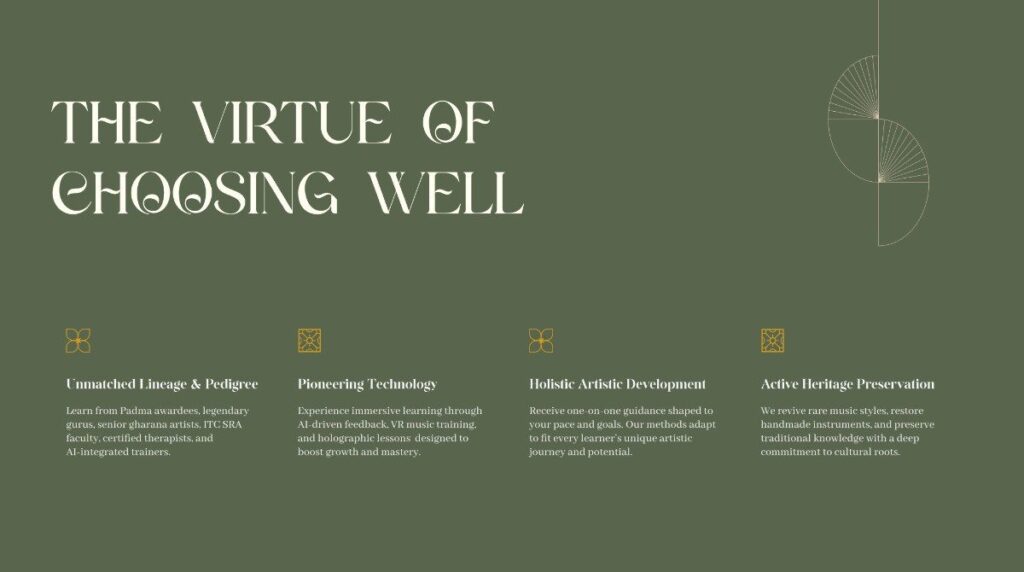
Our work for Culture Essentials, a culture and heritage initiative based in Delhi, India, explored how cultural identity could be translated into a cohesive digital experience. The project brought together UX research, website strategy, information architecture, user flow, interface design and website development.
The focus was on creating a digital environment where storytelling, visual expression and intuitive navigation work together. Rather than treating the website as a conventional information platform, the approach considered how visitors would discover, understand and engage with the organisation’s cultural identity.
Explore Wings Design’s website design and development for Culture Essentials, a digital experience built around culture, heritage and storytelling.
As a design-led digital studio, Wings works across website development, UI/UX design, branding and digital experiences for businesses and organisations looking to create stronger connections with their audiences.
Final Thoughts
A cultural website has an important responsibility: to make stories accessible without simplifying their significance. It must preserve authenticity while creating experiences that feel relevant to contemporary audiences.
Achieving this requires more than attractive visuals. It calls for a clear website strategy, thoughtful information architecture, purposeful interaction, accessible design and a strong understanding of the audience.
When these elements come together, a website can become more than a digital representation of culture. It can become a platform through which stories continue to be discovered, understood and shared.