
Agriculture Is Evolving. Is Your Website Keeping Up?
Agriculture is no longer an industry defined solely by fields, farming equipment and traditional supply chains. Technology, sustainability, precision farming, agricultural biotechnology and global trade are reshaping how the sector operates. From agritech startups developing intelligent farming solutions to established agricultural enterprises managing international distribution networks, businesses are operating in a far more competitive and connected environment.
Yet, many agricultural businesses still approach their websites as basic digital brochures. They display products, list services and provide contact information, but rarely communicate the scale of their capabilities or the value they bring to the industry. In a market where buyers, distributors, investors and business partners increasingly evaluate companies online, this creates a significant gap between business capability and digital perception.
A strategically designed website can close that gap. It gives agriculture businesses a platform to communicate expertise, demonstrate technological capabilities and establish credibility with audiences across markets. More importantly, it transforms a company’s digital presence into an active business development asset.
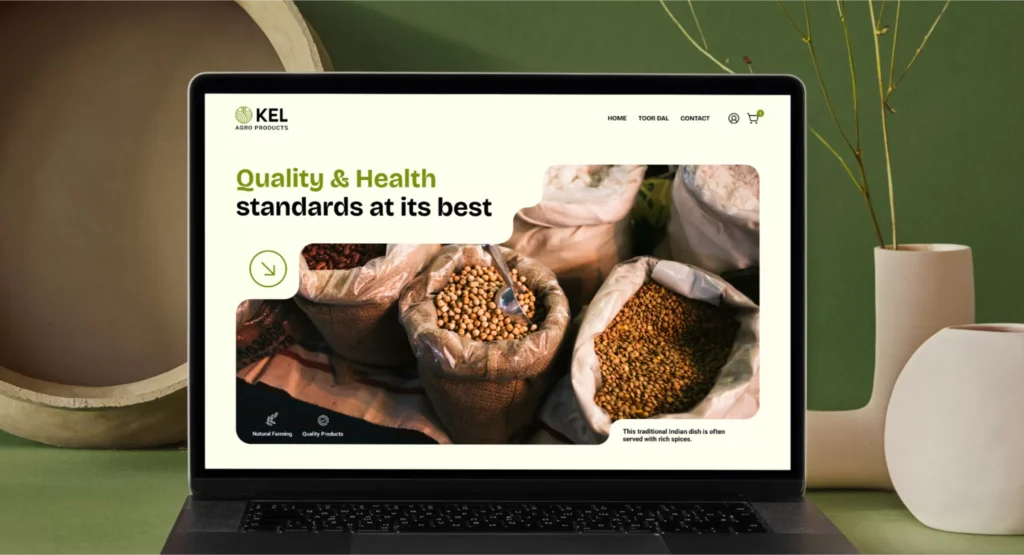
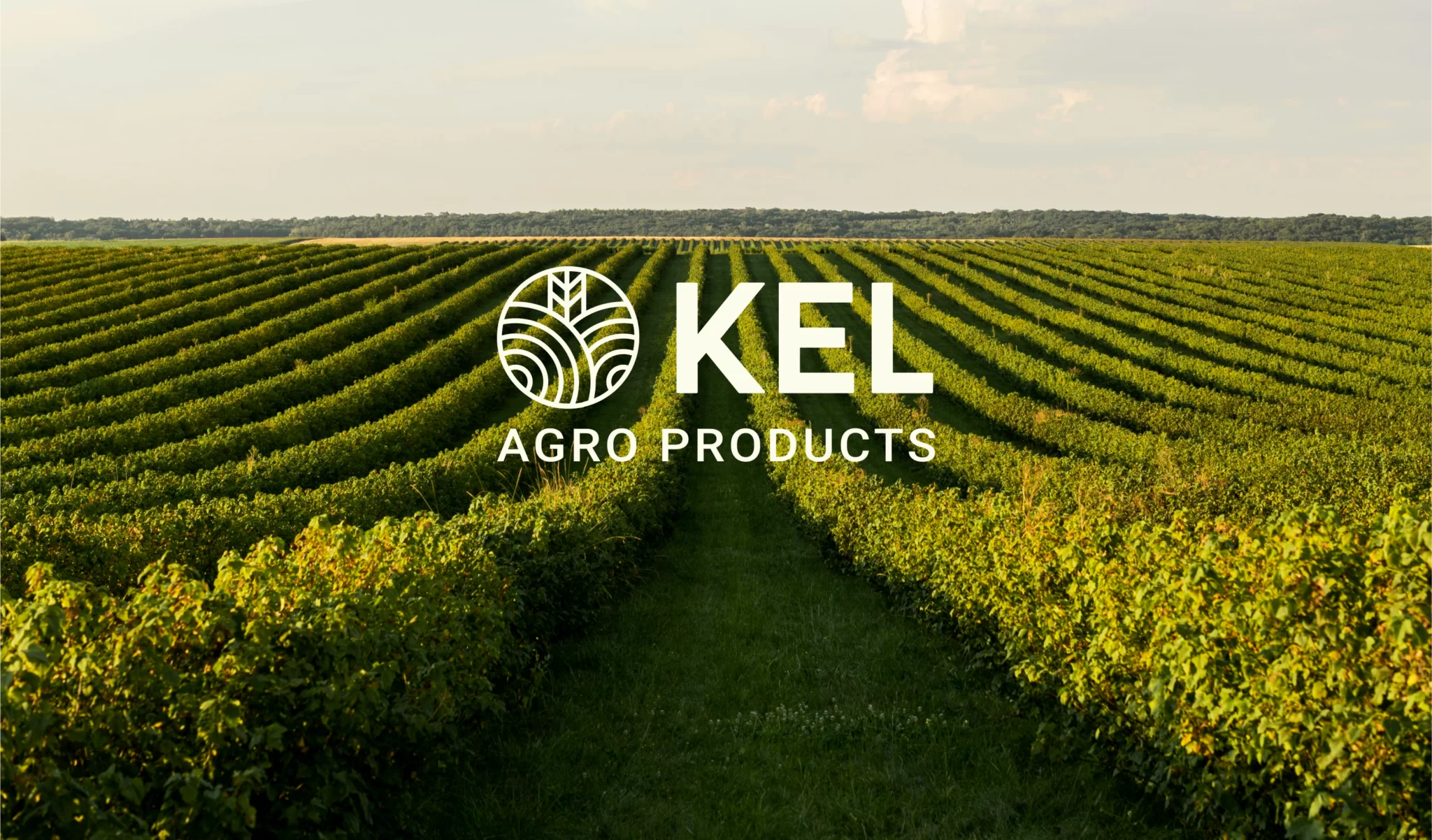
Explore Wings Design’s website design and development work for Kel
Why Website Design Matters for Modern Agriculture Businesses
Agriculture businesses serve diverse audiences, each with different expectations. A farmer exploring advanced irrigation solutions has different information needs from an international distributor evaluating an agricultural equipment manufacturer. Investors researching an agritech company also approach the website from an entirely different perspective.
An effective agriculture website design must account for these different user journeys without making the experience complicated. Clear navigation, structured content and purposeful page layouts help visitors find relevant information quickly. Product categories, industry applications, technical specifications and service information should be organised around how customers actually evaluate agricultural solutions.
Visual communication matters just as much. A well-considered design system can present an agricultural business as established, capable and forward-thinking. Instead of relying on generic farming imagery, businesses should use authentic photography, product visuals, operational imagery and relevant data visualisations to communicate what makes them different.
The objective is not simply to make an agriculture website look modern. It is to make the business easier to understand, trust and engage with.
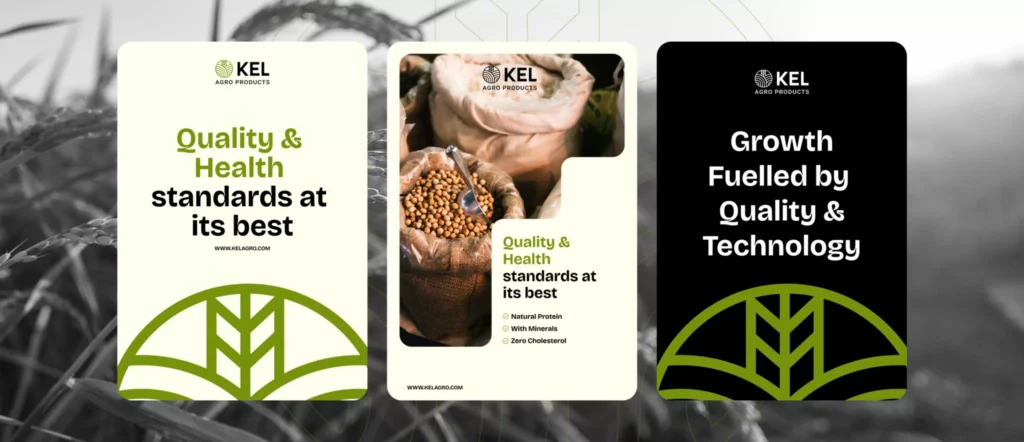
6 Essential Elements of High-Performing Agriculture Website Design
1. A Strong Digital Identity That Reflects Your Business
Agriculture encompasses everything from organic farming and food production to agricultural machinery, crop science and industrial agritech solutions. A website should reflect the specific identity of the business rather than rely on visual conventions commonly associated with the industry.
For an agricultural technology company, this could mean a clean, contemporary interface that communicates innovation. For an agricultural equipment manufacturer, the design might prioritise product engineering, durability and technical precision. A sustainable agriculture brand may benefit from a visual language that communicates environmental responsibility without compromising commercial credibility.
Consistent typography, colour systems, imagery and messaging create a recognisable digital identity. When these elements work together, they help businesses establish a stronger position in a competitive market.
2. Product and Service Pages That Make Complex Offerings Clear
Agricultural businesses often have extensive product catalogues and technically detailed service offerings. Presenting this information without a clear structure can make it difficult for potential customers to understand what a company provides.
Well-designed product pages should go beyond product names and descriptions. They should communicate specifications, applications, benefits, compatibility and relevant technical information in a format that is easy to navigate.
For businesses selling agricultural machinery, this could include equipment specifications, performance features, operating applications and downloadable product brochures. Agritech companies could use diagrams, process illustrations and demonstrations to explain complex technologies.
A structured content experience helps potential buyers make informed decisions while reducing friction in the enquiry process.
3. User Experience Designed Around Different Audiences
An agriculture website may need to serve farmers, distributors, institutional buyers, investors, suppliers and international business partners. Treating all these audiences as one user group often results in confusing navigation and disconnected content.
A thoughtful UI/UX design approach begins by identifying the different audiences and understanding what each one needs from the website. Navigation can then be structured around relevant product categories, industries, applications or business requirements.
For example, a distributor might need quick access to product catalogues and partnership information, while a farmer may prioritise practical applications, availability and support. Making these journeys intuitive improves usability and helps visitors move towards meaningful actions.
The best user experiences do not make visitors work to understand a business. They make the right information accessible at the right moment.
4. Visual Storytelling That Demonstrates Real Capabilities
Agriculture is a highly visual industry, but the use of imagery needs to be purposeful. Generic photographs of green fields and farmers rarely communicate the full capabilities of a modern agricultural enterprise.
Instead, businesses should use visual storytelling to demonstrate their operations, infrastructure, products and impact. High-quality project photography, manufacturing footage, product demonstrations, facility images and process illustrations can give visitors a more tangible understanding of the business.
For agritech companies, motion graphics and interactive visual elements can help explain technologies such as precision agriculture, automated irrigation, crop monitoring and smart farming systems.
When supported by a consistent visual language, these elements create a more engaging experience while strengthening brand perception.
5. SEO-Driven Architecture That Improves Discoverability
A visually impressive website has limited business value if potential customers cannot find it. Search engine optimisation should therefore be considered from the earliest stages of agriculture website development.
Agricultural businesses need a website structure that reflects how their customers search. This includes dedicated pages for products, services, applications, industries and relevant locations. A manufacturer, for instance, may need individual pages for agricultural machinery, irrigation equipment and specialised farming solutions rather than presenting everything under one broad category.
Technical SEO elements such as mobile responsiveness, page speed, crawlability, metadata, internal linking and structured data also contribute to a stronger search foundation.
Beyond technical optimisation, useful content can establish subject expertise. Articles covering agricultural technologies, industry developments, product applications and farming innovations can attract relevant organic traffic and support the decision-making process.
6. Conversion-Focused Features That Generate Business Enquiries
A website should do more than introduce a company. It should create opportunities for visitors to take the next step.
For agriculture businesses, relevant conversion features may include product enquiry forms, distributor registration, quotation requests, consultation bookings, catalogue downloads and technical support requests.
These interactions should be placed strategically throughout the website. A visitor exploring a specific piece of equipment, for example, should be able to request a quotation without navigating back to the homepage.
Forms should also be designed with usability in mind. Asking only for essential information at the initial stage makes it easier for potential customers to connect with the business.
Every interaction should contribute to a clear commercial objective.

The Role of Mobile-First Design in Agriculture
Agriculture businesses operate across different environments, and their audiences do not always access information from desktop computers. Farmers, field professionals, distributors and sales teams may need to browse product information, check specifications or contact suppliers while working on the move.
This makes mobile-first website design particularly important.
A responsive agriculture website should provide easy navigation, readable content, accessible enquiry forms and properly optimised images across different screen sizes. Product information should remain easy to explore, while important actions such as calling the business or requesting a quotation should be straightforward.
Mobile performance also influences the overall user experience and contributes to search visibility. A website that loads slowly or presents poorly on smaller screens risks losing visitors before they engage with the business.
How Webflow and Modern Web Technologies Can Support Agriculture Websites
As agriculture businesses expand their digital operations, they need websites that are not only visually effective but also flexible and manageable.
Modern web development platforms such as Webflow offer opportunities to build scalable digital experiences with greater control over design, content structure and ongoing updates.
For agricultural companies with extensive product ranges or regularly updated industry content, a well-structured content management system can simplify publishing and maintenance. Teams can update product information, introduce new categories, publish insights and manage website content without depending on developers for every minor change.
The right development approach should also account for performance, security, integrations and future scalability. Whether the requirement is a corporate website, an extensive product catalogue or a more advanced digital platform, the technology should support the business’s long-term objectives.
Common Agriculture Website Design Mistakes to Avoid
Even established agricultural businesses can lose valuable opportunities through avoidable website design decisions.
Some common mistakes include:
- Using generic industry imagery: Stock photographs that do not represent actual operations make it harder to establish authenticity.
- Overloading pages with technical information: Specifications are important, but poor content hierarchy makes them difficult to understand.
- Ignoring different customer segments: Farmers, distributors and institutional buyers should not have to navigate identical information journeys.
- Treating SEO as an afterthought: Missing product pages, weak site architecture and poorly optimised content can restrict organic visibility.
- Neglecting mobile usability: A website that works well only on desktop creates unnecessary barriers for mobile visitors.
- Using unclear calls to action: Visitors should always understand how to request information, enquire about products or connect with the business.
Addressing these issues can significantly improve how a business communicates its value online.
Building an Agriculture Website That Is Ready for the Future
The agriculture industry is entering a period of significant transformation. Artificial intelligence, automation, precision farming, climate-conscious practices and connected technologies are changing how businesses develop products and serve customers.
As these developments accelerate, agricultural companies will need digital platforms that can communicate innovation, support increasingly complex offerings and adapt to evolving customer expectations.
This requires a more strategic approach to website design and development. Brand positioning, user experience, content architecture, search visibility and technical performance should work together rather than operate as separate considerations.
A future-ready agriculture website should be designed around where the business is going, not simply where it stands today.
Create a Stronger Digital Presence for Your Agriculture Business
Your website is often the first meaningful interaction a potential customer has with your business. It influences how they perceive your capabilities, evaluate your offerings and decide whether to take the next step.
At Wings Design, we approach website design and development as an extension of business strategy. From defining digital experiences and building intuitive interfaces to developing scalable websites, we bring brand thinking, user experience and technology together to create digital platforms with purpose.
Whether you are an established agricultural enterprise, an agricultural equipment manufacturer or an emerging agritech company, your digital presence should reflect the ambition and capabilities behind your business.
Build a digital experience that moves your business forward.