

A real estate website has a bigger job than showcasing buildings. It must communicate the value of a development, establish trust with potential buyers, and turn interest into enquiries and site visits. For construction companies, it must also demonstrate technical expertise, project experience, and the ability to deliver.
Yet many real estate and construction websites fall short. Project details are difficult to find, visuals fail to communicate the quality of the development, and enquiry forms create unnecessary friction. Effective website design for real estate and construction addresses these gaps by connecting brand positioning, user experience, content, and conversion strategy.
1. Build a Website That Reflects the Value of Your Projects
A premium residential development, a plotted community, and a commercial construction company do not sell the same value. Their websites should not follow the same template either.
Developers need a digital experience that reflects their positioning, whether that means architectural excellence, luxury living, sustainable communities, or large-scale infrastructure. Strong visual hierarchy, purposeful layouts, quality photography, and clear messaging help communicate that difference.
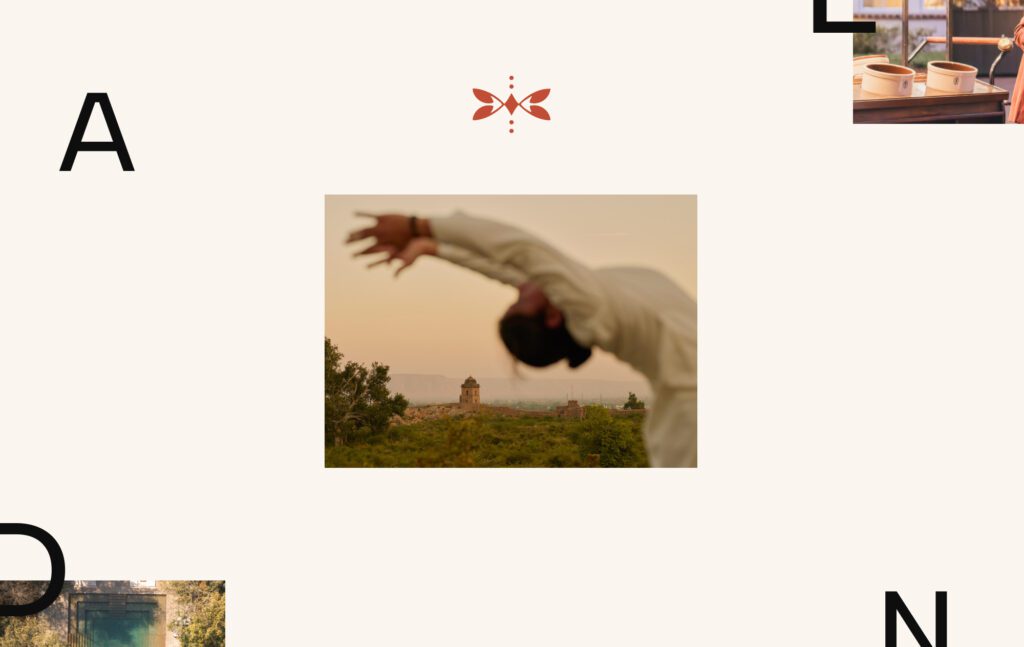
For example, explore Wings Design’s real estate website development work for EVOS in Chennai, India. The website takes a minimal, editorial-style approach that prioritises material, proportion, and detail over conventional promotional messaging. It reflects the brand’s distinctive positioning rather than relying on the usual collection of property features and offers.
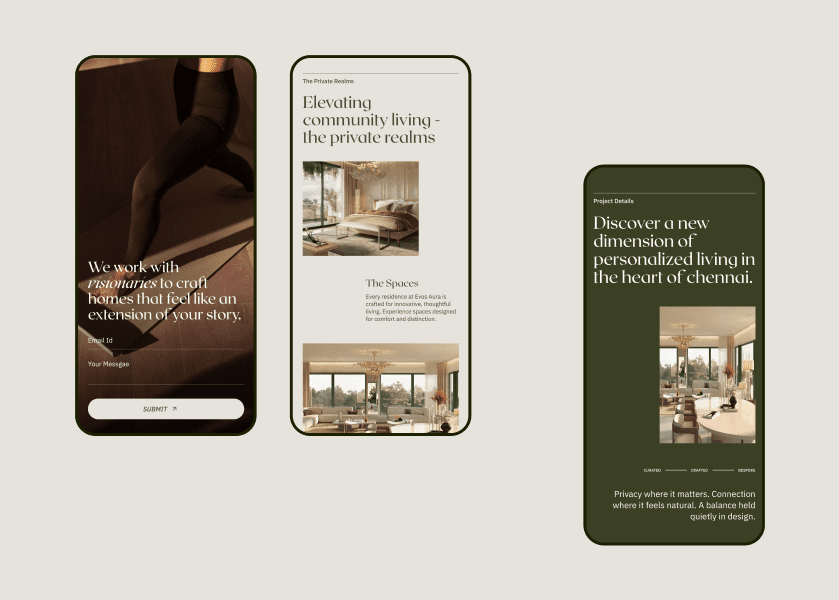
The takeaway: Your website should communicate why your development is different before asking visitors to enquire.
2. Help Buyers Evaluate Properties Without the Guesswork
Potential buyers need more than attractive renders. They want to understand the location, property configurations, floor plans, amenities, project status, pricing information, and what makes a development suitable for their needs.
When these details are scattered across pages or buried beneath promotional content, visitors have to work harder to evaluate the property. Many will leave before contacting the sales team.
A well-structured real estate website organises information around buyer decisions. Dedicated project pages, clear navigation, informative layouts, location maps, downloadable brochures, and prominent enquiry options help visitors move from initial interest to serious consideration.
For developers managing multiple residential or commercial projects, a consistent page structure also makes the portfolio easier to explore while allowing each development to communicate its own identity.
3. Build Trust Before the Property Is Completed
Pre-launch and under-construction projects face a particular challenge: buyers must make important decisions before they can fully experience the finished property.
In these cases, the website needs to communicate credibility through more than polished visuals. Project information, development plans, location advantages, construction updates, relevant approvals, developer credentials, and realistic visualisations help visitors understand what is being offered.
Explore Wings Design’s real estate website development work for Vedic City in Goa, India. The project presents a nature-led residential concept through a calm visual language and narrative-driven experience, introducing the development’s vision rather than treating it as a conventional property listing.
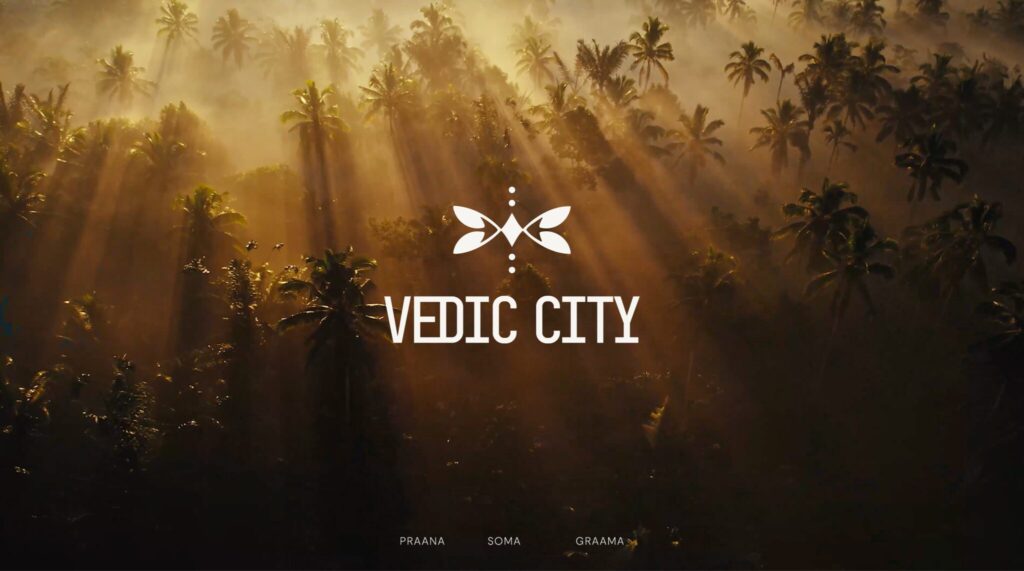
For developers, the lesson is straightforward: when buyers cannot visit a completed property, the website must help them understand both the vision and the facts behind it.
4. Turn Website Traffic into Qualified Enquiries
Generating traffic is only part of the job. A website also needs to help the right prospects take the next step.
If visitors cannot easily book a site visit, request a brochure, speak to a sales representative, or enquire about a specific property, valuable opportunities can be lost. At the same time, generic forms may generate enquiries without enough context for the sales team to respond effectively.
Conversion-focused website design makes these actions easy to find and complete.
- Project-specific calls to action: Let visitors enquire about the development they are viewing instead of directing everyone to a generic contact page.
- Short, relevant forms: Collect essential details without demanding unnecessary information upfront.
- Mobile-friendly contact options: Make calling, messaging, or requesting a site visit convenient on smaller screens.
- Clear next steps: Explain what happens after an enquiry so visitors know what to expect.
- Lead tracking and CRM integration: Help sales teams identify enquiry sources, follow up efficiently, and understand which pages generate meaningful leads.
The goal is not simply to increase form submissions. It is to make the journey from discovering a project to speaking with the right person more direct.
5. Give Every Type of Developer the Right Website Structure
Real estate and construction businesses have different audiences, sales cycles, and information requirements. Their website strategy should reflect those differences.
Residential and luxury property developers
Residential developers need to sell both the property and the lifestyle surrounding it. Strong photography, floor plans, neighbourhood information, amenities, and clear project details help buyers imagine the experience while evaluating practical considerations.
Luxury developments may benefit from a more restrained, editorial approach that communicates exclusivity through design quality rather than aggressive sales language.
Plotted developments and integrated communities
These projects often involve explaining a larger vision, including land parcels, infrastructure, amenities, community planning, and future development. Interactive master plans, clear zoning information, location context, and phased development details can help buyers understand the project beyond an individual plot.
Commercial and industrial real estate developers
Commercial audiences may prioritise accessibility, connectivity, building specifications, available spaces, operational suitability, and investment considerations. A well-organised website should surface these details quickly and provide clear routes for investor, tenant, or business enquiries.
Construction companies and infrastructure developers
Construction firms need to demonstrate their capabilities to clients, consultants, investors, and procurement teams. Project portfolios should explain the scope of work, sectors served, technical expertise, delivery experience, and relevant credentials. Dedicated service and industry pages also help prospective clients assess whether the company is equipped for their requirements.
6. Fix the Problems Your Existing Website Is Creating
A complete redesign is not always the first step. Sometimes, the more valuable exercise is identifying where the current website fails to support business goals.
If visitors leave without enquiring: Review the page hierarchy, messaging, mobile experience, and placement of calls to action. Make the next step clear without overwhelming visitors with repeated pop-ups or competing buttons.
If your projects look similar to competitors’ projects: Revisit the visual identity, photography, storytelling, and content structure. Each development should communicate its own character and value proposition.
If the website receives traffic but attracts poor-quality leads: Align landing pages with the intent behind search queries and advertising campaigns. Provide enough project information to help prospects assess suitability before submitting a form.
If new projects are difficult to publish: Improve the content management system and create reusable project-page templates. This helps marketing teams update availability, construction progress, galleries, and project information without depending on developers for every change.
If Google is not bringing relevant visitors: Review technical SEO, page speed, indexing, internal links, metadata, and the search intent of existing content. Create useful, distinct pages for relevant projects, services, property types, and locations instead of repeating similar keywords across every page.
7. Make Real Estate Website Design Work for SEO
Search visibility matters because buyers and business clients often research developers, locations, property types, and construction services before making contact. Website design and SEO should therefore be planned together.
Start with a logical page hierarchy. The homepage should establish the business and its positioning, while individual project pages explain specific developments. Relevant service, location, and sector pages can address more focused searches.
Use descriptive page titles, meaningful headings, concise URLs, and original content that answers genuine buyer questions. Optimise images without compromising visual quality, implement appropriate image alt text, and ensure that important content remains accessible to search engines.
Performance is equally important. Large property images, video backgrounds, and complex animations can slow down a website if they are not properly optimised. Responsive layouts, efficient media delivery, and good Core Web Vitals help create a smoother experience across devices.
For Indian developers, relevant local search optimisation can also include accurate business information, project locations, and applicable regulatory details. Any RERA registration or approval information displayed should be accurate and current.
8. Real Estate Website Design Projects by Wings Design
Wings approaches real estate website development by considering what each project needs to communicate, how its audience makes decisions, and how the digital experience should support the brand.
Here are four projects that offer relevant references for property developers considering a new website or redesign.
EVOS, Chennai, India: Explore Wings Design’s real estate website development work for EVOS in Chennai, India. The design takes a differentiated, design-led approach to presenting a property brand.
Vedic City, Goa, India: Explore Wings Design’s real estate website development work for Vedic City in Goa, India. The experience shows how thoughtful storytelling can introduce a development’s vision and build early interest before completion.
Chaitanya, India: Explore Wings Design’s real estate website development work for Chaitanya in India. The project provides another reference for developers looking to present their property offering through a dedicated digital experience.
Blossom Heights, India: Explore Wings Design’s real estate website development work for Blossom Heights in India. The project demonstrates the value of considering brand identity and website experience together when presenting a real estate development.
Note: The location wording for Chaitanya and Blossom Heights should be updated to their verified project locations before publishing if more specific city information is available.
What Should Your Real Estate or Construction Website Achieve?
A well-designed website should help prospective buyers and business clients understand your offering, assess its credibility, find the information they need, and take the next step with confidence. It should also give your internal team the flexibility to manage projects, publish updates, and improve performance over time.
The strongest results come when design, development, content, and SEO are treated as connected parts of the same strategy. A website built this way becomes more than a project showcase. It becomes a practical business asset that supports brand perception, search visibility, and lead generation.
Planning a new website or redesigning an existing one? Explore Wings Design’s website development services to build a digital experience around your projects, audience, and business goals.