


Brand Positioning
Brand positioning is the process of creating a unique and memorable image of a brand in the minds of customers. It defines how a brand differs from its competitors by highlighting its unique value, benefits, and target audience. Effective brand positioning helps customers understand why they should choose a particular brand, builds trust and loyalty, and ensures consistent communication across all marketing efforts.

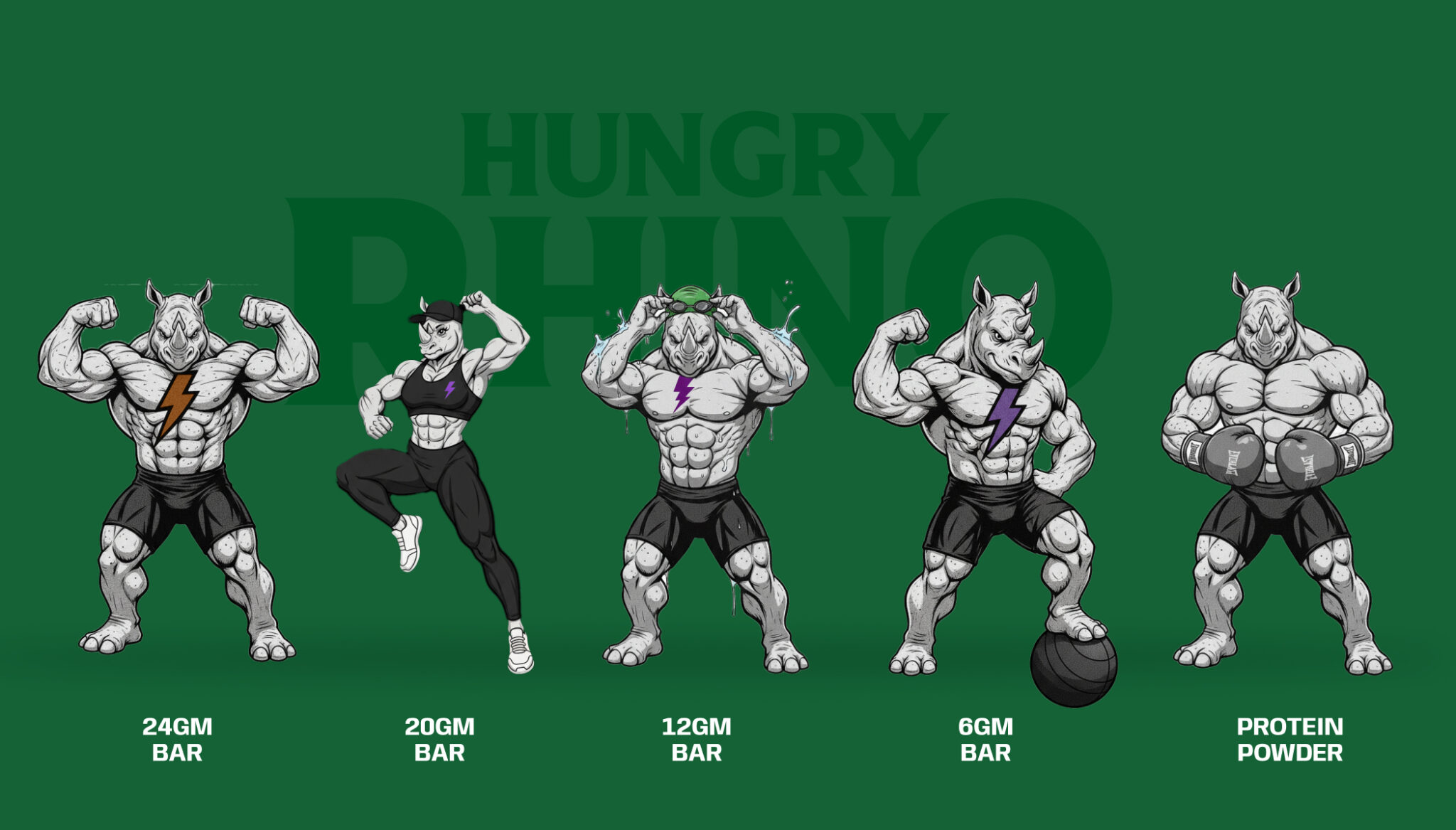
Explore the Branding behind the Diamensions.
Understanding Brand Positioning from a Business Perspective
- Defines customer perception: Brand positioning determines how customers perceive, recognize, and remember a business in comparison to its competitors. It creates a unique image that influences purchasing decisions and long-term customer relationships.
- Communicates the brand’s value: It clearly explains what the brand stands for, who its target audience is, what problems it solves, and the unique benefits it offers. This helps customers understand why they should choose the brand.
- Supports business strategy: Brand positioning serves as the foundation for marketing, product development, pricing, customer service, and overall business decisions, ensuring all activities align with the brand’s purpose.
Creating a Clear Brand Identity
- Establishes a unique identity: Brand positioning helps businesses occupy a distinct place in customers’ minds by highlighting their unique strengths and value proposition.
- Defines the target audience: It identifies the specific group of customers the business wants to serve and tailors its messaging to meet their needs and expectations.
- Clarifies the brand promise: A well-positioned brand clearly communicates the problems it solves, the benefits it provides, and the reasons customers should trust it over competitors.
- Ensures consistent communication: Consistent positioning allows businesses to deliver the same message across websites, advertisements, social media, sales interactions, and customer support, strengthening brand recognition.
- Builds trust and credibility: Customers are more likely to trust brands that consistently communicate and deliver on their promises, leading to stronger relationships and repeat business.
- Prevents generic messaging: Without clear positioning, businesses may appear similar to competitors, making it difficult for customers to recognize their unique value.
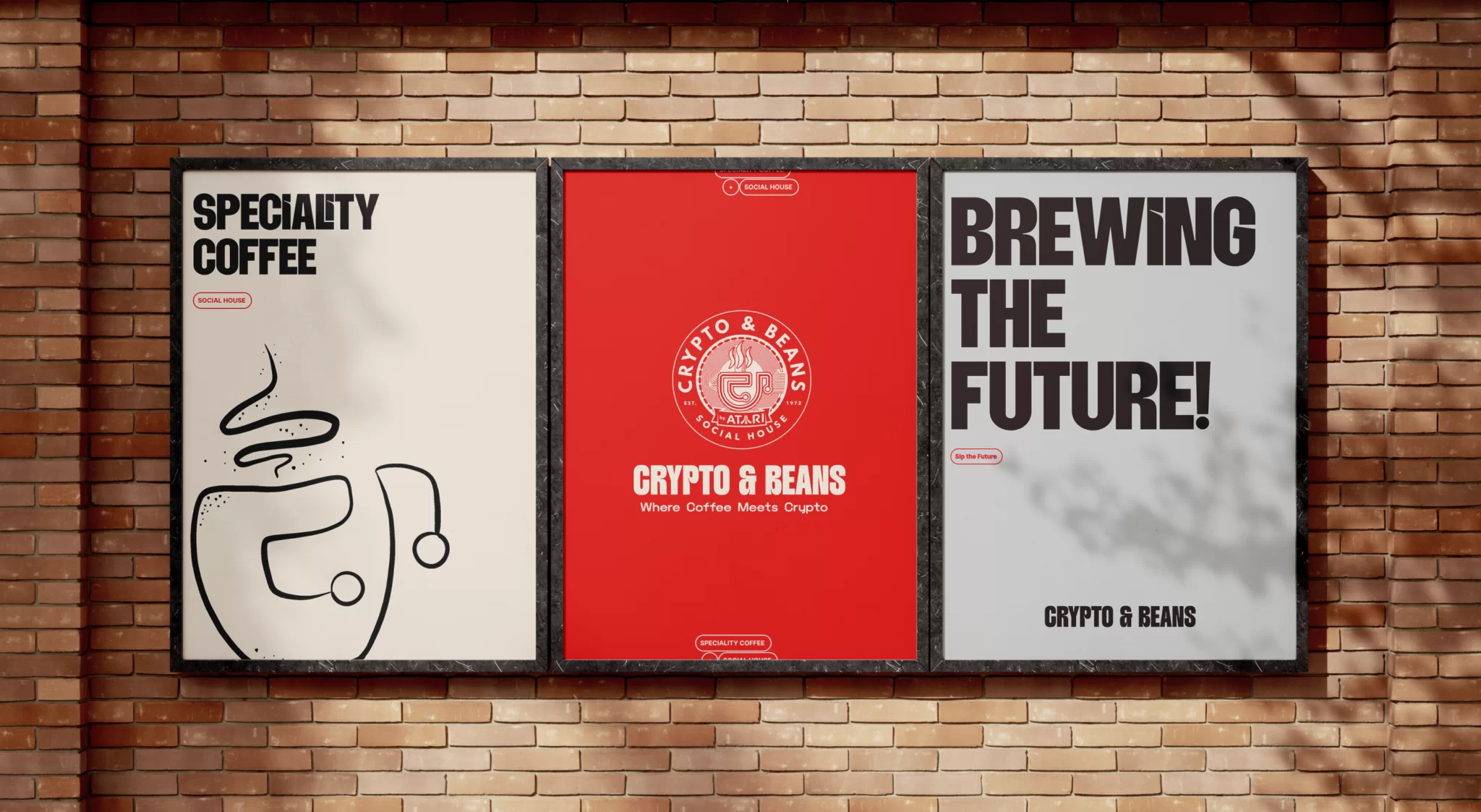
Explore the Branding behind the Crypto bean.
Differentiating from Competitors
- Creates competitive advantage: Brand positioning highlights what makes a business different, allowing it to stand out in crowded and competitive markets.
- Focuses on unique strengths: Businesses can differentiate themselves through product quality, innovation, expertise, customer service, reliability, sustainability, or specialized solutions instead of competing only on price.
- Improves customer preference: When customers clearly understand a brand’s unique benefits, they are more likely to choose it over similar alternatives.
- Builds a memorable image: Strong positioning creates a lasting impression, making the brand easier to recognize and recall when customers are making purchasing decisions.
- Encourages customer loyalty: Customers who identify with a brand’s values and unique offerings are more likely to remain loyal and recommend the brand to others.
Improving Business Outcomes
- Attracts the right customers: Effective positioning helps businesses target customers whose needs align with the brand’s products or services, improving marketing efficiency.
- Increases conversion rates: Clear communication of value helps potential customers understand the benefits, making them more likely to purchase.
- Enhances customer retention: Consistently delivering on the brand promise builds trust, satisfaction, and long-term customer relationships.
- Strengthens market position: A strong brand becomes more recognizable and respected, making it easier to compete in the marketplace.
- Supports long-term growth: Strong positioning contributes to sustainable business growth by increasing customer loyalty, improving brand equity, and strengthening competitive advantage.

Explore the Branding behind the Shivam.
How Brand Positioning Influences Customer Decisions
- Shapes customer perception: Customers evaluate brands based on the image and value they associate with them, not just on products or services.
- Simplifies decision-making: Clear positioning helps customers quickly understand what the brand offers and whether it meets their needs.
- Builds trust and confidence: A consistent and reliable brand image reduces uncertainty, making customers more comfortable choosing the business.
- Encourages long-term engagement: Customers who understand and relate to a brand’s values are more likely to continue purchasing and interacting with the business.
Creating Emotional Connections
- Builds relationships beyond transactions: Successful brands create emotional value by connecting with customers’ beliefs, aspirations, and lifestyles rather than focusing only on products.
- Develops trust and confidence: Brands known for qualities such as reliability, quality, or innovation create positive emotional associations that influence purchasing decisions.
- Improves brand recall: Emotional experiences make brands more memorable, increasing the likelihood that customers will choose them in the future.
- Encourages customer advocacy: Emotionally connected customers are more likely to recommend the brand to friends, family, and colleagues through positive word-of-mouth.
- Strengthens customer loyalty: Emotional attachment increases repeat purchases and reduces the likelihood of customers switching to competitors.
Improving Marketing Effectiveness
- Creates focused marketing campaigns: Clear positioning allows businesses to develop campaigns that communicate relevant messages to the right audience.
- Improves content relevance: Marketing content becomes more meaningful because it directly addresses customer needs, challenges, and expectations.
- Ensures consistent brand communication: Positioning provides a clear message that can be maintained across all marketing channels, strengthening brand identity.
- Increases customer engagement: Customers are more likely to respond to messages that reflect their interests and solve their specific problems.
- Optimizes marketing investment: By targeting the right audience with relevant messaging, businesses reduce wasted marketing efforts and improve return on investment (ROI).
- Supports stronger business performance: Effective positioning enhances brand awareness, customer acquisition, and long-term business success by making marketing more strategic and impactful.

Explore the Branding behind the Blyp.
Brand Positioning vs Brand Messaging: Key Differences Every Decision-Maker Should Know
| Factor | Brand Positioning | Brand Messaging |
|---|---|---|
| Focus | Defines how a brand is perceived | Defines how a brand communicates |
| Purpose | Creates market identity | Shares brand information |
| Goal | Builds differentiation | Creates connection |
| Approach | Strategic business decision | Communication strategy |
| Includes | Audience, value, uniqueness | Words, tone, campaigns |
| Business Impact | Improves competitiveness | Improves engagement |
| Measures | Brand perception and preference | Message effectiveness |
How Strong Positioning Drives Digital Growth
Brand positioning has become a major driver of digital growth because it influences how customers discover, evaluate, and interact with businesses online. In a crowded digital marketplace, visibility alone is not enough. Companies need a clear identity that helps customers understand their value and choose them over competitors.
1. Increases Customer Acquisition
A strong brand position helps businesses attract the right audience by clearly communicating their value proposition. When customers immediately understand what a brand offers and how it solves their needs, they are more likely to engage, convert, and become customers.
2. Supports Premium Growth
Effective brand positioning increases the perceived value of a business, allowing it to compete on quality, expertise, innovation, and customer experience rather than price alone. Customers are often willing to pay more for brands they trust, leading to improved profitability and sustainable growth.
3. Strengthens Customer Loyalty
Consistent brand positioning builds trust and credibility by delivering on the brand promise across every customer interaction. Loyal customers are more likely to make repeat purchases, recommend the brand to others, and contribute to long-term business growth.
The Importance of Investing in Brand Positioning Strategy
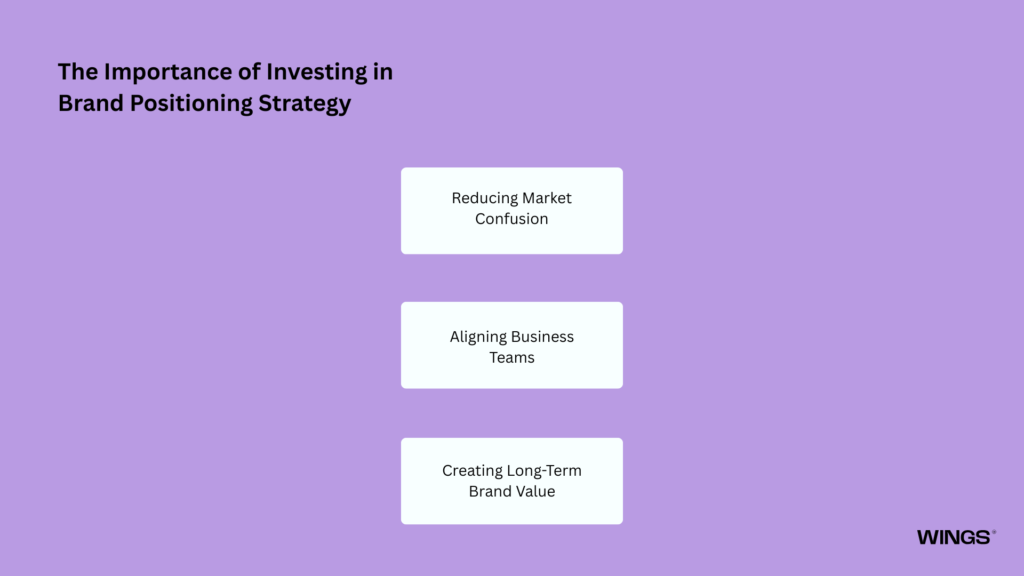
Brand positioning is a strategic investment that helps businesses create a clear identity, communicate value effectively, and build stronger relationships with customers. In a competitive digital environment, customers interact with multiple brands every day, and businesses need a clear position to stand out.
The Importance of Investing in Brand Positioning Strategy
1. Reduces Market Confusion
A clear brand positioning strategy helps customers easily understand what a business offers, who it serves, and what makes it different from competitors. Consistent messaging across all channels reduces confusion, strengthens brand recognition, and enables customers to make informed purchasing decisions.
2. Aligns Business Teams
Brand positioning provides a shared direction for marketing, sales, product, and leadership teams. When every team understands the brand’s value proposition and goals, they communicate consistently, deliver better customer experiences, and work together more effectively to achieve business objectives.
3. Creates Long-Term Brand Value
Strong brand positioning builds lasting brand equity by creating trust, recognition, and customer loyalty. It serves as the foundation for future marketing, innovation, and business growth, helping businesses achieve sustainable competitive advantage and long-term success.
Common Brand Positioning Mistakes Companies Should Avoid
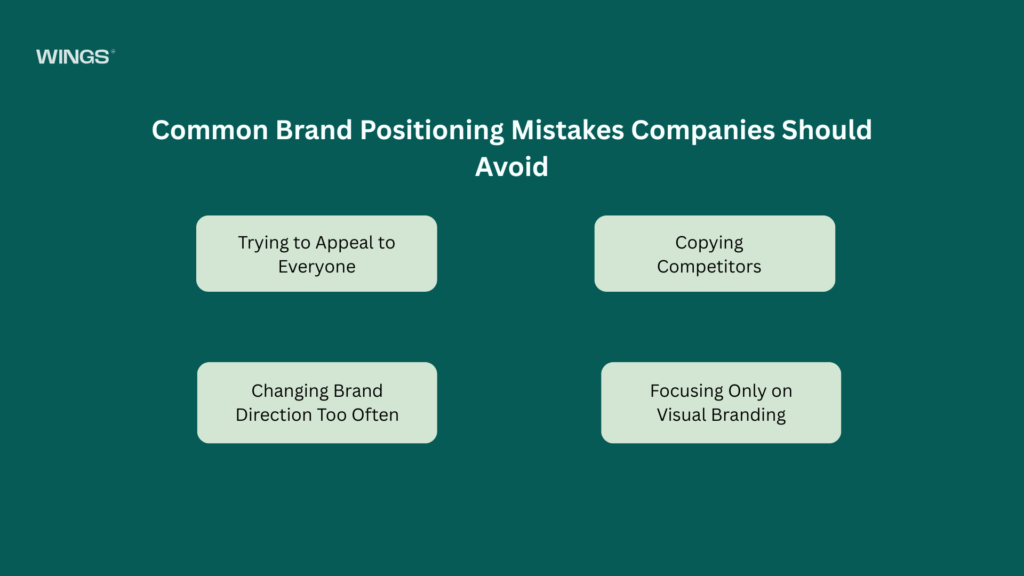
Strong brand positioning helps businesses build recognition and trust, but common mistakes can weaken its impact.
Trying to Appeal to Everyone
One of the most common positioning mistakes is trying to target every customer. A broad message often becomes too generic and fails to connect with any specific audience. Successful brands focus on a clearly defined market and communicate a specific value that resonates with customer needs.
Copying Competitors
Following competitor positioning can make a brand blend into the market rather than stand out. Customers are more likely to remember and trust brands that offer something unique. Businesses should focus on their own strengths, expertise, and value instead of imitating others.
Changing Brand Direction Too Often
Frequent changes in messaging, identity, or positioning can create confusion. Customers need consistency to recognize and trust a brand. While positioning should evolve as markets change, the core brand identity should remain stable and recognizable.
Focusing Only on Visual Branding
Many businesses associate branding only with logos, colors, and design elements. While visual identity is important, strong positioning goes much deeper. A brand is built through customer experiences, communication, delivered value, and reputation. Long-term success comes from consistently meeting customer expectations, not just creating attractive visuals.
Future trends in brand positioning
01. AI-Powered Brand Experiences
Artificial intelligence will enable brands to analyze customer behavior, predict preferences, and deliver highly personalized experiences. AI-driven insights will help businesses improve customer engagement, automate interactions, and create more relevant marketing strategies.
02. Purpose-Driven Branding
Customers increasingly prefer brands that demonstrate clear values, sustainability, and social responsibility. Businesses that communicate an authentic purpose and align their actions with their promises will build greater trust, loyalty, and long-term customer relationships.
03. Hyper-Personalization
Future brand positioning will focus on delivering personalized products, services, and communications based on individual customer needs and behaviors. Hyper-personalization enhances customer satisfaction, strengthens loyalty, and improves the overall customer experience.
04. Omnichannel Brand Consistency
Customers interact with brands across multiple digital and physical channels. Successful businesses will maintain a consistent brand identity, message, and experience across websites, mobile apps, social media, e-commerce platforms, and physical stores to build recognition and trust.
05. Community and Customer-Centric Branding
Future brands will focus on building engaged communities rather than simply selling products. Encouraging customer participation, user-generated content, feedback, and meaningful interactions will strengthen brand loyalty, advocacy, and long-term relationships.
These five trends reflect how brand positioning is evolving toward technology, authenticity, personalization, consistency, and stronger customer relationships.
Explore the Branding behind the Shivam.
Conclusion: Building Digital Success Through Strong Brand Positioning

Akshita Shivani Sundar
Senior Graphic Designer