

The Visual Logic of Localization: Keeping Brands Intact Across Borders
July 4, 2025 ● 15 Mins Read

Table of Contents
Introduction
When brands cross borders, they aren’t just moving products—they’re moving values, ideologies, and aesthetic expectations. And while language is often the first barrier addressed, the more subtle—and more potent—challenge lies in visual communication. What signifies sophistication in Tokyo may appear sterile in São Paulo. What signals trust in Berlin may seem cold in Bangkok. The visual language of a brand is not universally legible. This is where the visual logic of localization becomes one of the most crucial yet underestimated disciplines in global brand strategy. It’s not about cosmetic tweaks. It’s about allowing a brand to breathe differently across cultural ecosystems while keeping its DNA intact.

Visual Identity as Cultural Code
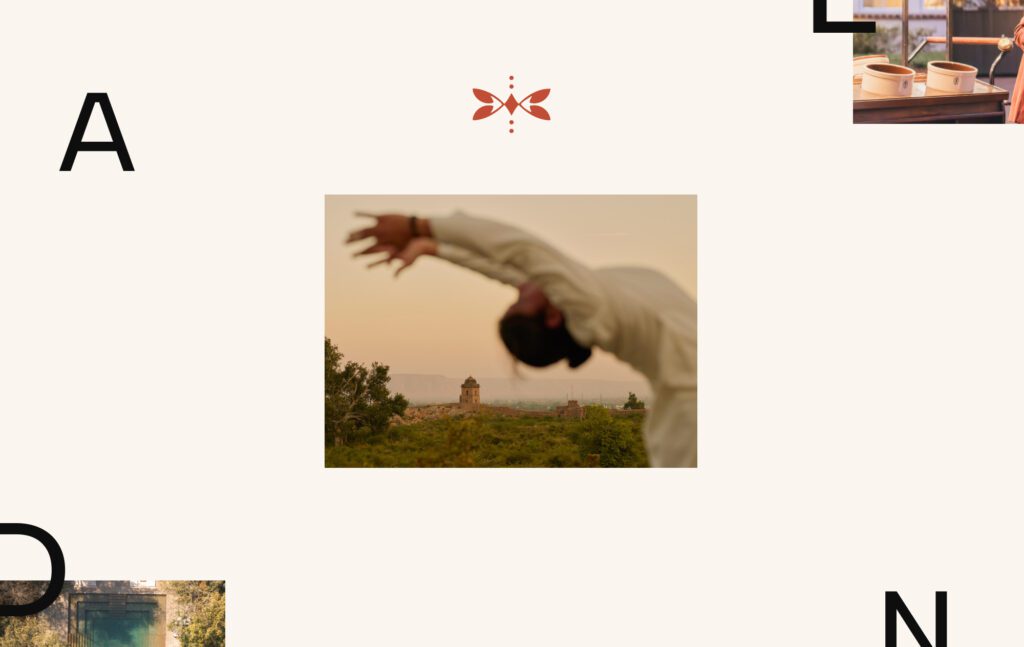
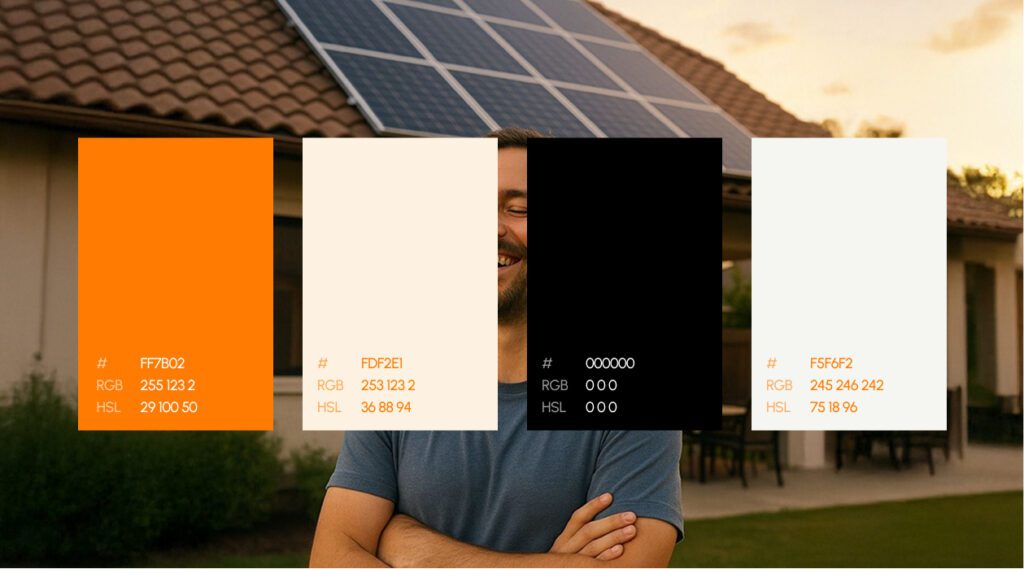
A brand’s visual identity is not just its logo or color palette—it’s an ecosystem of cues: typography, rhythm, texture, layout, contrast, and even white space. These cues communicate emotion and intention at a subconscious level. But those subconscious readings are not shared equally across cultures. A pastel color palette may suggest approachability in North America but could be seen as lacking seriousness in East Asia. A minimalist grid system may feel premium in Northern Europe but emotionally flat in parts of the Middle East, where visual richness is associated with care and quality. These aren’t minor misalignments—they’re signals that can either build trust or erode it before a single word is read.
Design as a Mirror, Not a Megaphone
Good global design doesn’t speak louder—it listens better. The most resonant brand systems recognize that design is not a universal language but a cultural mirror. Colors carry dramatically different meanings. Red means urgency in the West, celebration in China, and mourning in parts of Africa. Typefaces that suggest clarity in English-speaking countries may clash with non-Latin scripts where visual harmony and legibility demand different structural rules. Even white space—a key signifier of elegance in Western design—can feel unfinished or lonely in markets where fullness, decoration, or pattern carry more meaning. Localization isn’t translation. It’s cultural adaptation through visual fluency.
Balancing Consistency and Relevance
One of the core tensions in global branding is the push and pull between visual consistency and cultural relevance. Some brands, like Apple, maintain rigorous design uniformity across every touchpoint—from Shanghai to San Francisco. But most brands don’t have that level of global capital. For them, enforcing visual sameness can come across as arrogant or detached. Yet swinging too far toward localized deviation risks brand fragmentation. The challenge, then, is to design identities that are modular rather than fixed—keeping core elements stable while enabling peripheral elements to adapt contextually. Visual systems must be able to stretch without snapping.

Modular Identities, Flexible at the Edges
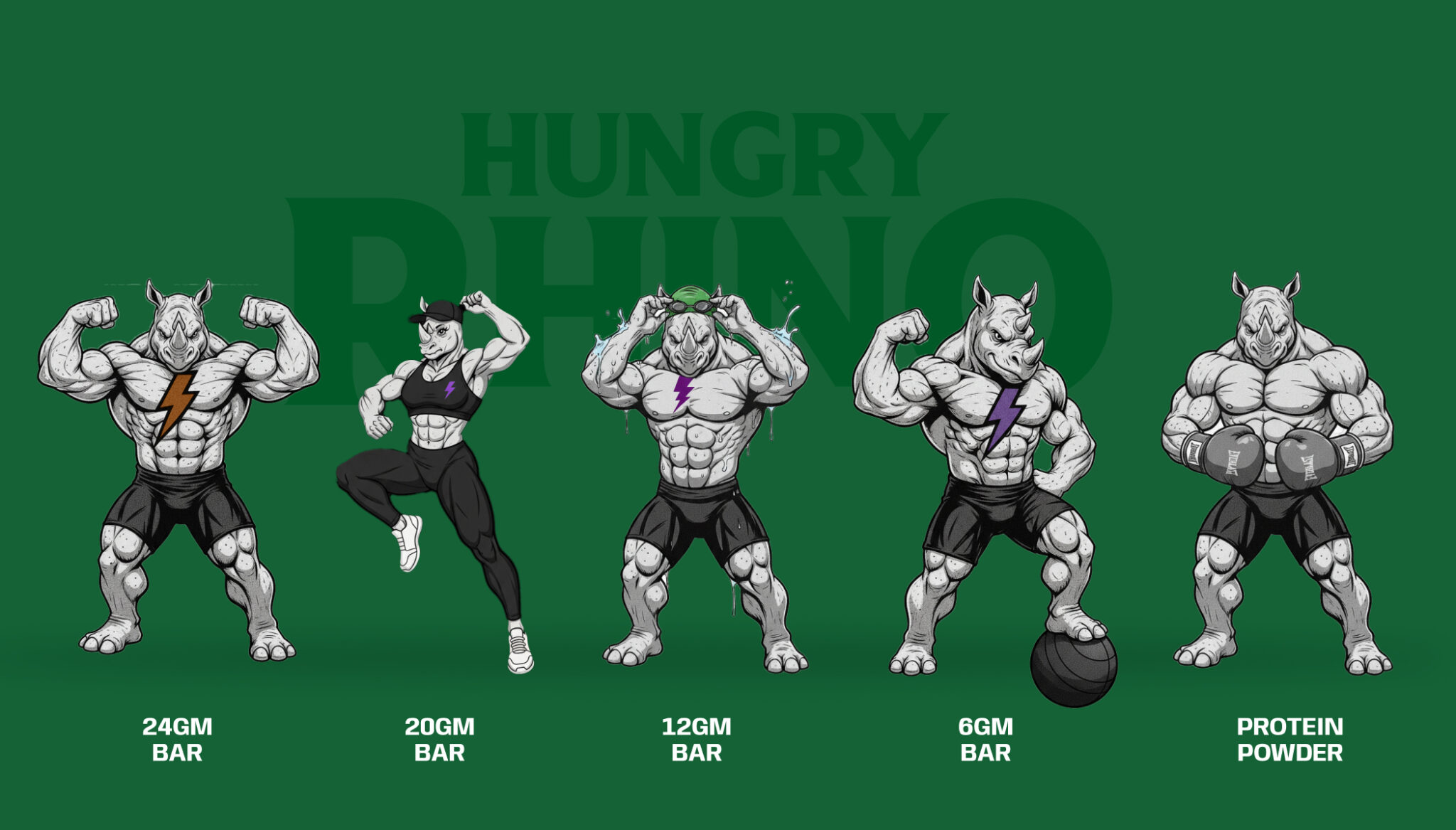
The most forward-thinking brand systems are not rigid templates—they’re design frameworks built for variation. Core assets like logos, type hierarchies, and primary color palettes serve as anchors, while secondary assets are open to localization. Accent colors may change to honor regional meanings or festivals. Photography can reflect local environments, skin tones, clothing, or architectural styles. Even small icons—a gift box in the West, a red envelope in Asia—shift to speak fluently with local audiences. These aren’t superficial customizations. They’re visual gestures of inclusion. They say, “We understand. We’re not just here—we’re part of here.”
Conclusion: Empathy in the Form of Design
At its core, localization is an act of empathy. It’s not about losing brand identity—it’s about expressing it more meaningfully in different human contexts. Brands that understand the visual logic of localization don’t just show up in new markets—they’re welcomed. They feel less like outsiders and more like participants. In a time where trust is hard to earn and attention is even harder to keep, cultural fluency isn’t a nice-to-have. It’s a strategic edge. And in that edge lies the future of design: not louder, not faster, but more human.

Vidhya Shree
Senior Visual Designer