

Good Design Isn’t Just Pretty - It’s How B2B Products Score Big
June 5, 2025 ● 15 Mins Read

Table of Contents
Introduction
Design in the B2B world is often misunderstood. Too many people still reduce it to surface-level polish: the colors, the logo, the UI elements that make a dashboard “look nice.” But for companies building business-facing tools, this narrow view of design is not only outdated, it’s dangerous. Because in reality, good design in B2B isn’t about decoration. It’s about function, clarity, and performance. And increasingly, it’s the hidden force behind the most successful enterprise products on the market.
B2B Expectations Have Changed
Historically, B2B software got a free pass when it came to usability. Products were clunky and complex, and no one expected otherwise. Sales happened through long demos and contracts, adoption was enforced top-down, and “ease of use” was an afterthought. But that era is ending. Today, the people buying and using B2B products are the same people who use beautifully designed consumer apps every day. They’re not just comparing your product to competitors, they’re comparing it to the likes of Slack, Figma, and Notion. They expect software that works smoothly, feels intuitive, and helps them do their job faster.
Design as a Growth Driver
In this new environment, design becomes a strategic weapon. It shapes the user experience in ways that directly impact business outcomes. A well-designed B2B product reduces time-to-value by helping users onboard faster. It lowers support costs because users don’t need to open tickets to figure out basic functionality. It increases customer retention because people come back to products that feel natural and empowering. It even shortens sales cycles, when prospects can see value in the first five minutes of a demo, there’s less friction, less resistance, and more momentum.
The Function of Design in B2B
Design, in this sense, isn’t about how something looks. It’s about how something works. In a well-designed product, users don’t have to guess. Every interaction feels intentional. The interface is clean but not empty; powerful but not overwhelming. Design becomes a silent guide, showing the user where to go, what to do, and how to do it, without ever getting in the way. It supports clarity over complexity, reducing the mental load of navigating dense information or multi-step workflows. In enterprise tools where teams manage vast data sets, track compliance, or coordinate across departments, this kind of clarity is not just a bonus, it’s a competitive advantage.
Real-World Success Stories
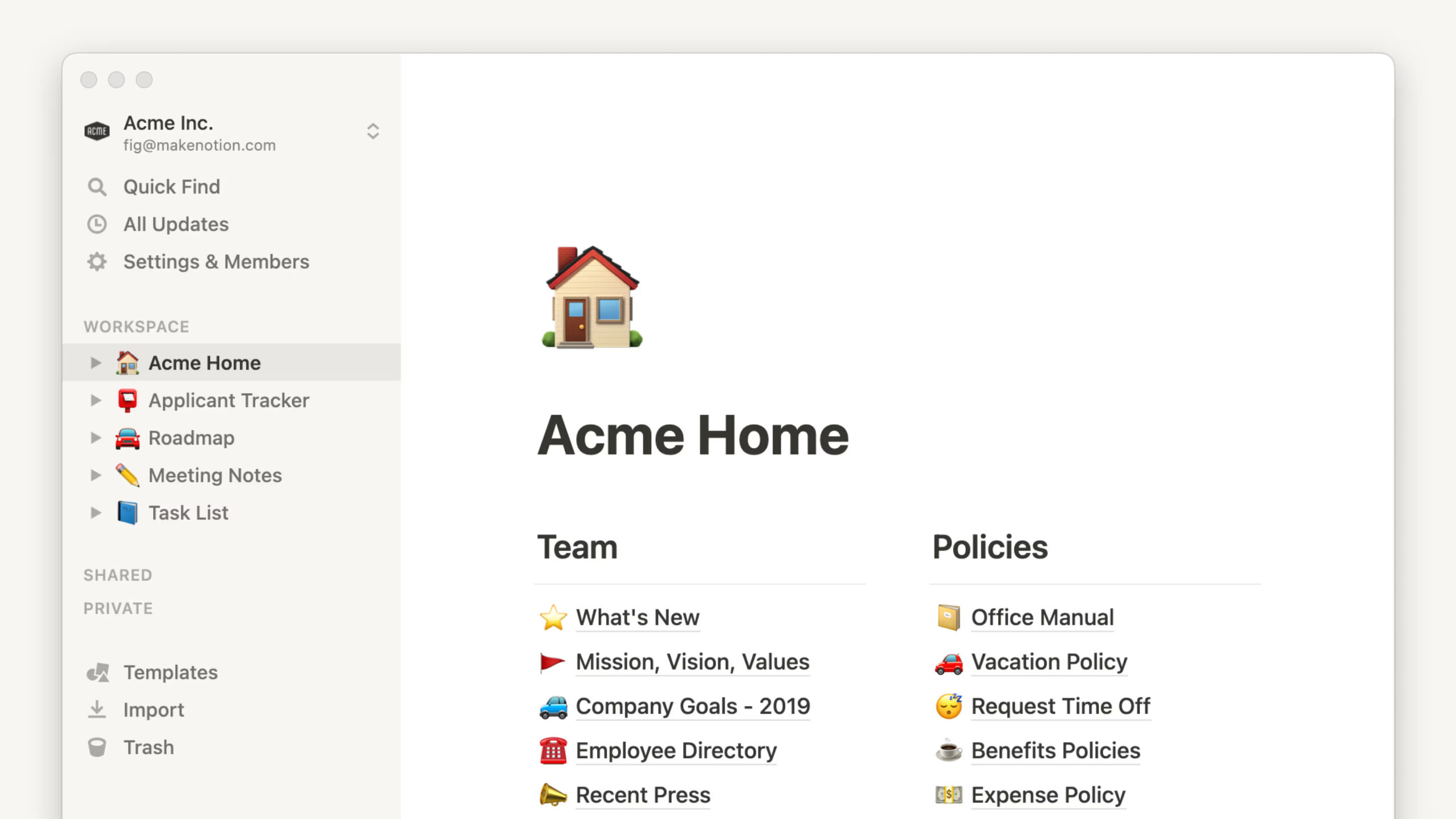
We’ve seen this shift play out in real-world success stories. Take Figma, which redefined how design teams collaborate by building an experience that feels frictionless, even when multiple people are editing the same file in real time. Or Airtable, which took the intimidating power of relational databases and made it feel as accessible as a spreadsheet. Or Notion, which turned the once-boring world of note-taking and documentation into something flexible, elegant, and even enjoyable. None of these tools succeeded because they were merely “pretty.” They succeeded because their design made powerful functionality feel easy, flexible, and inviting without sacrificing depth.
Measurable Impact on the Bottom Line
There’s also a business case that’s hard to ignore. Better design means less training. It means fewer onboarding calls, fewer complaints to customer support, fewer abandoned trials. For companies building product-led growth strategies, where the user experience drives acquisition and expansion, design directly influences key metrics, activation rate, conversion, retention, NPS, and more. Great design turns users into advocates and admins into champions. It creates loyalty not because users are locked in by contracts, but because they genuinely like using the product.
Why Design Must Come Early
And yet, too many B2B founders still treat design as a late-stage priority, something you worry about after shipping features, raising funding, or achieving product-market fit. But in the most successful teams, design isn’t an add-on. It’s baked into the foundation. Designers sit next to engineers and product managers from day one. They shape the roadmap by understanding user needs, translating business goals into workflows, and asking the hard questions about what actually needs to be built.
Conclusion
So the next time someone says design is just about how something looks, challenge that assumption. In B2B, good design isn’t skin-deep. It’s a deep, structural part of how products deliver value, how they scale, and how they win. It’s not about being pretty, it’s about being powerful, usable, and unforgettable. That’s how great design helps B2B products score big.

Nancy Priscilla
UI/UX & Graphic Designer