

The Subtle Art of Microinteractions: Enhancing User Delight
Oct 12, 2025 ● 15 Mins Read
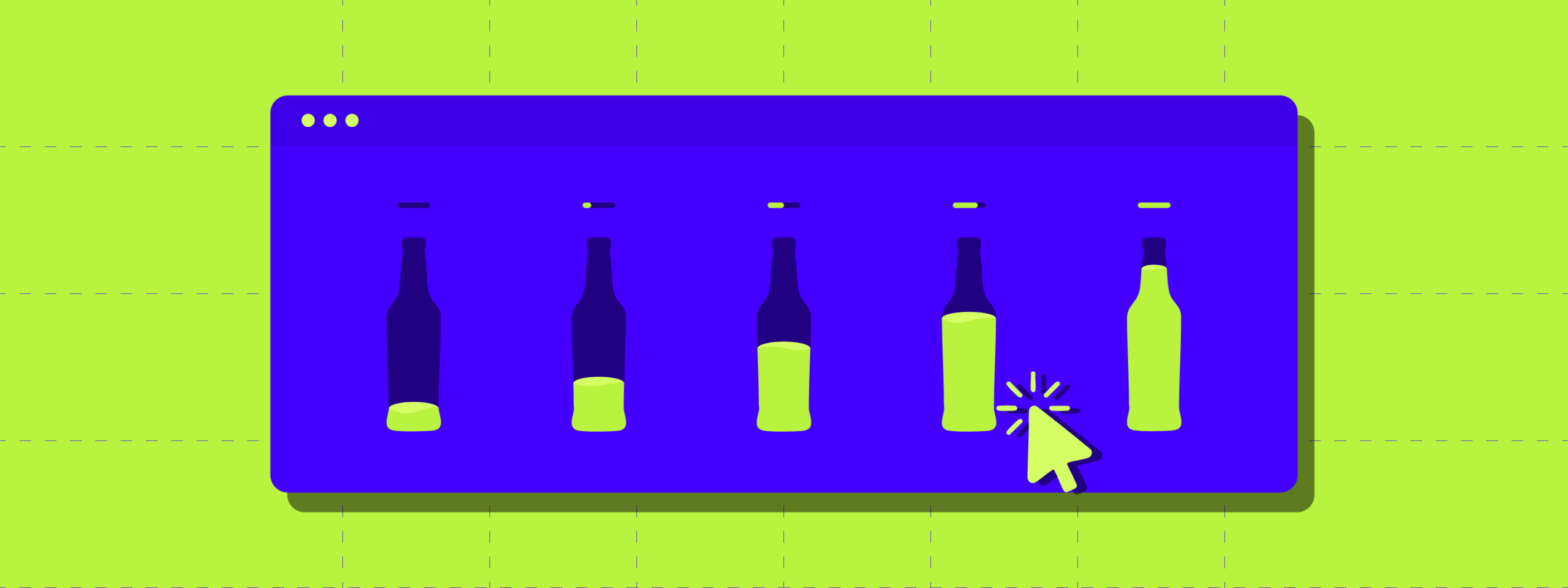
Table of Contents
Introduction
Some designs impress you instantly. Others earn your admiration slowly—through moments so effortless that you barely notice them. A button that pulses when tapped, a soft chime confirming a transaction, or a progress bar that moves just fast enough to keep your patience—all are tiny cues that tell users: you matter, we’re listening.
These are microinteractions, the smallest yet most powerful moments of user experience. They turn cold interfaces into warm conversations. They are not about grandeur, but grace. When crafted intentionally, they transform a product from something people use into something they feel connected to.
For business leaders, this is not a design detail—it’s a competitive signal. The companies that win user loyalty are those that design empathy into every interaction, no matter how small.
The Psychology of Tiny Moments
A microinteraction’s real magic lies not in its design, but in its timing. Humans are wired to seek feedback. Every tap, click, or gesture demands acknowledgment. When a digital product responds instantly and intelligently, it satisfies a deep psychological need—closure.
That instant vibration when a message sends, the ripple when a toggle flips—these micro-moments reassure users that the system understands them. It’s an emotional handshake between human and interface.
Great digital products use this psychological loop to their advantage. They replace uncertainty with rhythm, chaos with confidence. And for decision-makers, that confidence directly translates to trust—a currency that no marketing campaign can buy.
The Business Case for Microinteractions
Executives often think of UX improvements as aesthetic or incremental. In reality, microinteractions are strategic assets that directly influence engagement, retention, and brand differentiation.
They create moments of frictionless flow that users may never consciously praise—but will always miss when absent. Consider these business outcomes:
- Retention: Delight encourages return visits. Users subconsciously associate good feedback loops with competence.
- Differentiation: While competitors focus on features, microinteractions define personality and polish.
- Efficiency: When interfaces guide users seamlessly, support tickets drop and conversions rise.
- Trust: Subtle predictability in response builds a subconscious sense of reliability.
In industries where everyone claims innovation, the real distinction often lies not in what your product does—but in how it behaves.

Designing Microinteractions that Matter
Every microinteraction follows a structure: trigger, rules, feedback, and loops. But behind that framework lies a more fundamental principle—intent.
When teams design from a place of intent, each motion, sound, or color change serves purpose. A loading animation can be informative rather than decorative. A toggle color can communicate system state without words. A hover effect can guide discovery without shouting for attention.
For leadership, the challenge is to build cultures that notice details. Empower designers to think not in pages or screens, but in moments. A microinteraction done right is invisible—it simply feels right. And that feeling compounds across every digital touchpoint, amplifying trust and satisfaction.
Where Microinteractions Create Maximum Impact
Although microinteractions exist across every digital system, some moments offer outsized returns when refined carefully:
- Onboarding: Interactive hints or feedback during first use reduce cognitive load and accelerate adoption.
- Navigation: Subtle transitions that confirm movement reassure users without distraction.
- Data Entry: Smart validation and live feedback reduce form abandonment.
- Notifications: Controlled animation or sound helps users distinguish urgency from noise.
- Commerce & SaaS: Subtle confirmation cues in checkout or subscription flow enhance trust and completion rates.
Each of these isn’t merely a design embellishment—it’s a business lever. Because behind every small delight is a big decision: to value user emotion as much as functionality.
Conclusion: Designing for Emotion, Not Just Interaction
Technology is no longer measured only by performance—it’s judged by how it makes people feel. And that feeling is shaped not by the features you launch, but by the micro-moments users encounter a hundred times a day.
Microinteractions are the emotional punctuation marks of digital experiences. They help products breathe, respond, and connect. They turn usability into affection and efficiency into loyalty.
For decision-makers shaping the next generation of digital products, the lesson is subtle but critical: users don’t stay for complexity—they stay for comfort. Every pulse, every sound, every small visual cue contributes to that comfort.
The art of microinteractions is, at its core, the art of respect—respect for attention, for emotion, and for time. Because when design stops shouting and starts whispering, people don’t just notice—they remember.

Thanseem
Junior UI/UX Designer