

Designing for Profit: The ROI of Implementing Webflow in Real Estate
Sep 18, 2025 ● 15 Mins Read

Table of Contents
Introduction
Every brand leaves an impression before it makes a sale. For industries where the stakes are high and trust is non-negotiable, that impression often begins with a digital presence. A website isn’t just a marketing tool—it’s a statement of identity, professionalism, and ambition. Much like a carefully staged property, the way it looks, feels, and performs sets the tone for everything that follows.
And yet, many companies still operate with digital frameworks that resemble vacant lots—functional but uninspiring, technically sound but strategically underutilized. The missed opportunity is significant: a website can either dilute brand equity or amplify it. The difference lies not in having an online presence, but in how strategically it is designed, built, and maintained.
The Visual Identity Lens: More Than Buildings and Listings
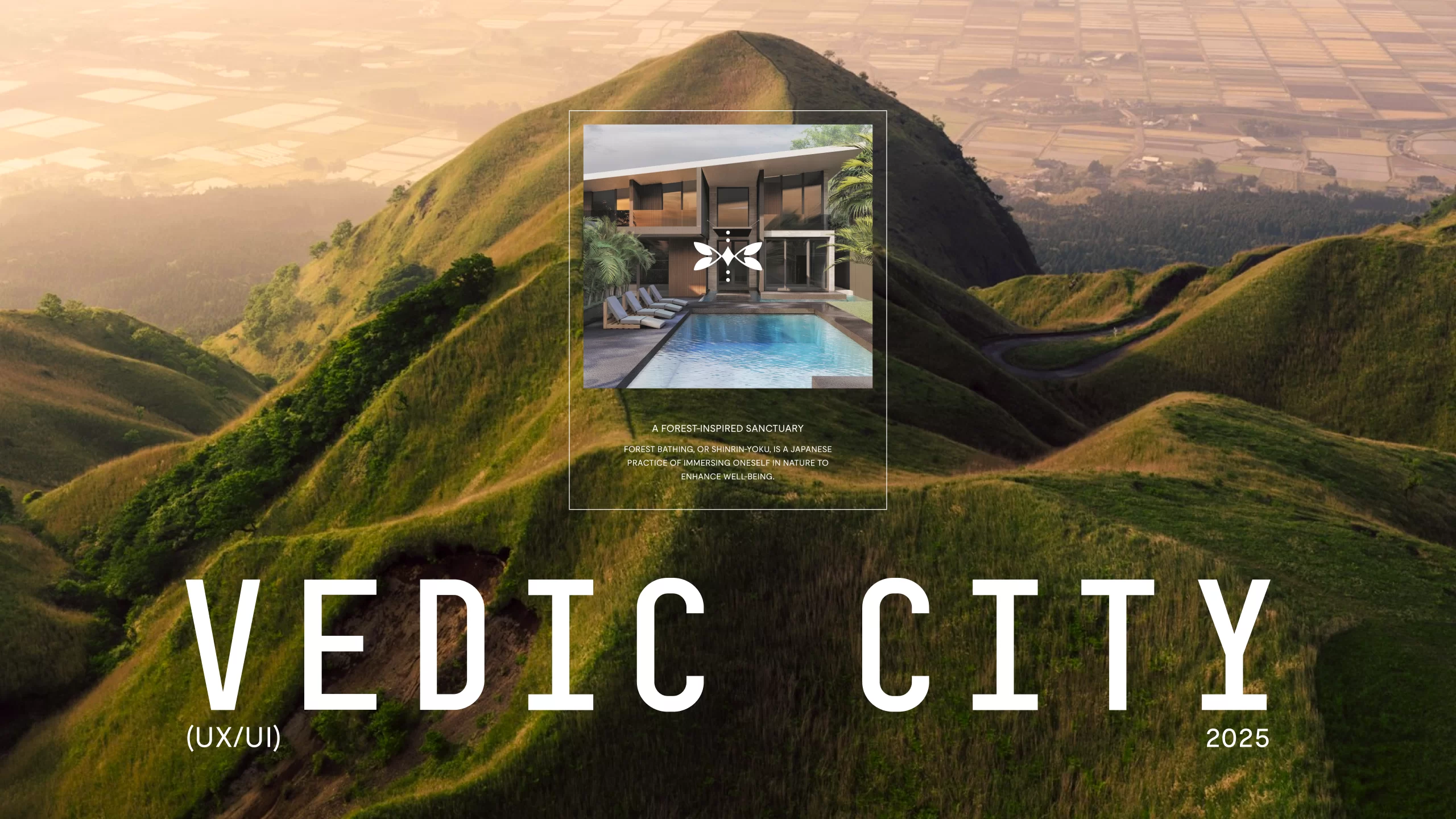
Real estate leaders already know that value isn’t confined to the square footage of a property. Reputation, trust, and perception drive business outcomes just as much as location or design. A company’s digital identity must communicate the same qualities of vision, precision, and authority as its flagship projects.
Webflow enables this translation. By combining design freedom with operational control, it helps firms create websites that are experiential rather than static. From interactive floor plans to smooth animations, the platform mirrors the sense of detail clients expect when walking through a physical space. That alignment between the digital and the tangible strengthens credibility, builds confidence, and accelerates decision-making.
The Strategic Payoff: ROI Beyond Aesthetics
Executives rarely approve investments for aesthetic reasons alone. The return has to be clear, whether through speed, efficiency, or cost control. Webflow’s value lies in aligning brand-building with measurable outcomes. It reduces reliance on third-party developers for routine updates, shortens time-to-market for new projects, and eliminates technical clutter that inflates costs.
At the same time, the platform ensures that performance metrics—loading speeds, responsiveness, and conversion pathways—are optimized from the start. In effect, Webflow transforms design decisions into financial outcomes, making visual identity a driver of profitability rather than a discretionary expense.
The Decision-Maker’s Lens
For leadership evaluating whether Webflow is worth the investment, five questions define the conversation:
- Does the website reflect authority and ambition? A strong digital presence signals stability and maturity to clients and partners.
- Is the team agile enough to launch campaigns quickly? Webflow empowers in-house teams to move at market speed.
- Are lead flows and data integrations seamless? Effective digital funnels are critical to capturing high-value opportunities.
- Can the platform scale with business growth? Expansion across regions and verticals requires consistent brand delivery.
- Is digital infrastructure minimizing risk? Reliable hosting, security, and performance protect both reputation and revenue.
When answered honestly, these questions reveal whether the current digital presence is a liability or a growth asset.

The Experience Economy in Real Estate
Today’s buyers and investors don’t wait for physical site visits to form opinions. Their judgment begins online, where the digital journey is no longer separate from the transaction but part of it. A slow, outdated, or inconsistent website undermines property value by association. Conversely, a refined, responsive, and visually aligned site strengthens confidence in the projects it represents.
Webflow enables companies to deliver experiences that are as polished as the spaces they sell. Whether through immersive neighborhood overviews, dynamic project showcases, or streamlined inquiry forms, every interaction signals professionalism. For high-value stakeholders, these signals are not cosmetic—they are decisive.
From Identity to Authority
A powerful digital identity compounds its value across the ecosystem. It shapes perceptions not only for buyers but also for investors, collaborators, and future talent. Consistency across platforms signals stability, while flexibility to adapt campaigns signals agility—two traits that define market leaders.
Webflow makes this balance achievable. As companies scale—whether adding new developments, entering different regions, or diversifying into adjacent services—the platform ensures the brand remains unified. For executives, that consistency translates directly into authority, separating firms that lead conversations from those that follow them.
Conclusion - Profit by Design
In a market defined by fierce competition and shrinking attention spans, differentiation is not a luxury—it is a necessity. Implementing Webflow provides real estate firms with more than a polished website; it delivers speed, cost savings, lead generation, and above all, confidence. Confidence that every touchpoint, digital or physical, reflects operational excellence.
For decision-makers, this is not about choosing a design platform. It is about recognizing that identity drives profitability. When designed strategically, digital presence becomes an asset that pays measurable dividends. Webflow, in that sense, is not simply a design tool—it is a framework for profit by design.

Thanseem
Junior UI/UX Designer