

Calm Design in a Noisy World: Interfaces That Reduce Cognitive Load
Nov 22 , 2025 ● 15 Mins Read

Table of Contents
Introduction
Every business today is fighting a war for attention — and losing. Users aren’t dropping off because competitors built a better product; they’re leaving because digital experiences have become exhausting. Pop-ups scream for attention, endless options slow decisions, and complex navigation burns mental energy. The result? Silent revenue leakage. Calm Design isn’t about aesthetics or minimalism; it’s about reclaiming customer trust by reducing cognitive load. A calm interface allows customers to complete tasks quickly without mental fatigue, turning engagement into long-term loyalty. And loyalty, in the real world, translates into recurring profit. In short: the more mentally taxing your product is, the faster your users disappear.
Calm Design = Clear Profit Signals
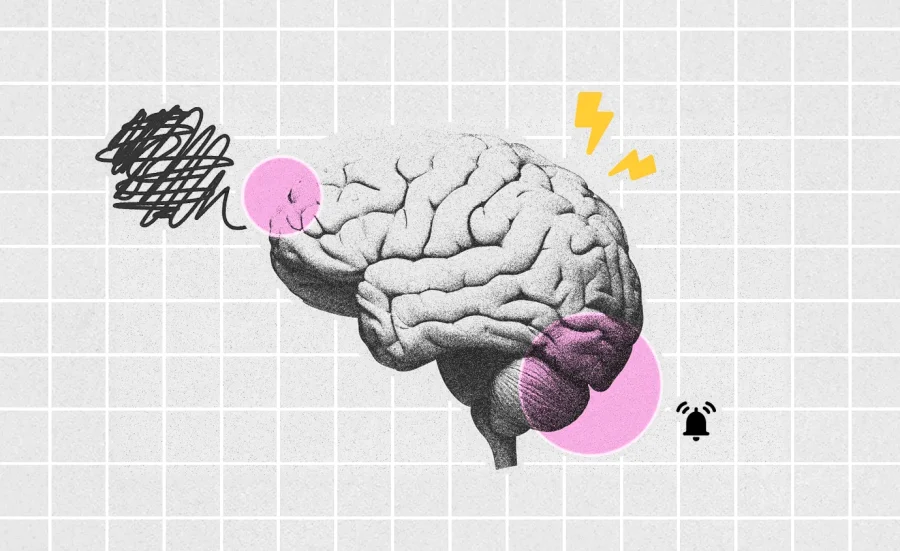
Let’s be blunt — friction is expensive. Every additional click, every confusing layout, every irrelevant notification directly impacts conversion rates, onboarding success, and subscription renewals. When customers feel overwhelmed, they abandon the journey. When they feel guided, they move forward. Calm Design principles ensure every interaction has purpose, removing clutter and sharpening focus so the user’s intention becomes the interface’s priority. If your product requires a tutorial to understand basic features, you don’t have a user problem — you have a revenue problem. Reducing cognitive load doesn’t just improve usability. It strengthens the business pipeline from first touch to renewed commitment.
The Business Logic Behind “Less Noise, More Clarity”
High-growth companies are winning not by adding more features but by removing the ones that don’t earn their keep. Calm Design is strategic subtraction — eliminating elements that compete for attention and replacing them with clarity that accelerates decisions. In a calm interface, users don’t hesitate, they don’t overthink, and they certainly don’t leave. The experience feels fluid, guiding them naturally from intent to conversion. No blinking distractions, no dead-end paths, no cognitive roadblocks. And that matters more than ever: the easier customers move, the more money moves with them.
What Calm Design Actually Looks Like
Here is the only bullet-point section as requested:
- Essential actions prioritized, removing decision fatigue
- Notifications reduced to meaningful, value-adding moments
- Experiences tailored to user context, minimizing confusion
- Micro-interactions used for clarity, not entertainment
- Progressive disclosure that reveals complexity only when needed
- Fewer redundant steps, less retyping, more completion
- Accessible layouts giving every user a stress-free journey
Calm Design isn’t about doing less.
It’s about removing anything that slows yes.
Calm Design Builds Loyalty in a World Built on Overwhelm
Customers have hit a breaking point with digital chaos. They now reward the products that feel safe, predictable, and thoughtful. Calm Design turns your interface into a place where users can breathe — a competitive advantage nobody sees coming but everyone feels. When a product quietly respects user attention, it earns something far more valuable than engagement: trust. And trust drives retention, referrals, and lifetime value. People don’t stay with apps that shout at them. They stay with experiences that help them succeed without demanding too much in return. In a market overflowing with loudness, calm becomes the most persuasive voice.
Conclusion
The future belongs to companies that simplify. Calm Design is not softness — it is strategic dominance through clarity. It’s the discipline of restraint in a landscape addicted to noise. Decision-makers who adopt Calm Design today reduce churn, cut support costs, lift conversion rates, and capture user loyalty while competitors overwhelm and annoy. Leaders must stop asking, “What else can we add?” and start asking the more profitable question: “What can we remove so customers keep moving forward?” Calm is not passive. Calm is decisive. Calm is profitable. And in a noisy world where attention is the currency, the calm product always wins.
Ever since I began my journey in UX/UI design, I’ve been fascinated by how thoughtful design can simplify complex interactions and make everyday digital experiences more intuitive. Beyond the screen, I express my creativity through art, crafts, and calligraphy where, much like in design, every detail is intentional and tells a story.

Devadarshini N
Junior UI UX Designer