

The Future of Wireframing: AI, Auto-Layouts, and Real-Time Collaboration
Nov 06, 2025 ● 15 Mins Read

Table of Contents
Introduction
Wireframing has always been the backbone of digital product design—an early stage where ideas begin to take shape, interactions are visualized, and user paths are mapped out. Historically, it was a simple, almost sketch-like process that served mostly designers. But in today’s fast-moving digital landscape, wireframing is evolving into something much more powerful. It has become a strategic function that influences business outcomes, accelerates innovation, and helps organizations make informed decisions long before the first line of code is written. For decision-makers, understanding the modern evolution of wireframing is no longer optional—it’s essential for optimizing workflows, empowering teams, and staying competitive.
Modern wireframes are not just drawings on a screen. They are early-stage prototypes that provide insight into user behavior, technical feasibility, and product potential. With advancements in technology, wireframing now plays a much bigger role in shaping product direction, aligning teams, and improving speed-to-market. The future of wireframing is about transforming ideas into validated concepts quickly and efficiently, while giving leaders the confidence they need to move forward.
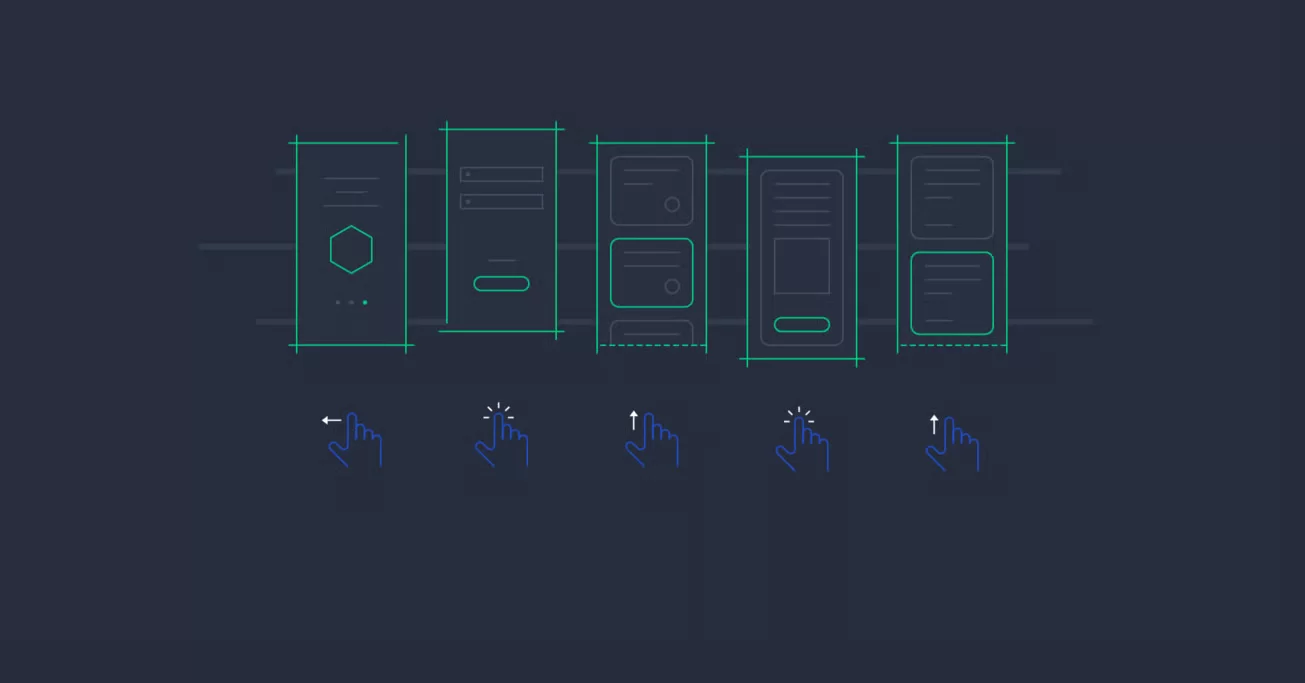
From Simple Sketches to Strategic Blueprints
Traditional wireframing tools offered static representations of screens—boxes, lines, and notes that merely hinted at the user journey. Their purpose was primarily to communicate design intent and structure. But this limited view often kept wireframing confined to the design team, disconnected from strategic conversations happening at higher levels.
Today’s wireframes are far more sophisticated. They integrate analytics, behavioral predictions, and data-driven insights that help teams anticipate issues and opportunities early in the process. With new capabilities like user flow analytics and behavior tracking, wireframes give business leaders valuable foresight. They can identify potential friction areas, prioritize high-impact features, and align design decisions with broader organizational goals.
This shift has transformed wireframes from simple sketches into strategic blueprints. They now serve as a bridge between creativity and business strategy—allowing organizations to evaluate ideas faster, validate assumptions earlier, and reduce the risk of costly revisions in later development stages. For decision-makers, this means greater clarity, alignment, and confidence throughout the entire product lifecycle.
AI: The Silent Game-Changer in Wireframing
Artificial Intelligence is redefining what wireframing can achieve. AI-driven wireframing tools are emerging as powerful assistants that not only speed up the design process but also introduce a new level of intelligence and predictability. AI can now suggest layout structures, generate content hierarchies, and even predict how users will interact with certain elements. This drastically reduces the time it takes to move from idea to a functional prototype.
For design teams, AI acts like a brainstorming partner—offering variations, flagging potential issues, and proposing enhancements. Instead of manually arranging elements, designers can focus on refining user experiences and solving complex problems. The speed of iteration increases dramatically.
For leadership teams, the impact is even more profound. AI reduces the risk associated with early-stage experimentation by providing predictive insights. Before investing resources into full-scale development, executives can see how users are likely to behave and understand which concepts are most likely to succeed. This early visibility enables smarter investments, quicker decision-making, and more strategic allocation of resources.
AI’s ability to simulate user behavior is especially valuable. It allows organizations to test assumptions, validate features, and optimize experiences—long before engineering begins. This predictive power represents a major breakthrough in product strategy.
Auto-Layouts: Precision, Consistency, and Speed
Another major advancement reshaping the wireframing world is auto-layout technology. Auto-layouts automatically adjust spacing, alignment, and structure as elements are added, removed, or modified. Instead of spending hours fine-tuning margins and resizing components, designers can rely on intelligent systems to maintain consistency across screens and devices.
This is particularly important in today’s multi-device environment, where wireframes need to adapt seamlessly from mobile to desktop to tablet. Auto-layout ensures responsiveness is built into the wireframe from the start—not as an afterthought.
For organizations, the benefits are substantial. Auto-layout dramatically accelerates iteration, reduces manual effort, and improves design accuracy. Teams can explore more variations quickly, test ideas faster, and maintain consistency across large-scale projects. When wireframes automatically adapt, decision-makers get clearer prototypes earlier in the process, making it easier to evaluate direction and align stakeholders.
Auto-layouts also contribute to reducing rework. Projects rarely stay static—features evolve, requirements shift, and priorities change. Auto-layout keeps pace with these changes effortlessly, reducing time and costs associated with late-stage adjustments.
Real-Time Collaboration: Removing Silos and Accelerating Alignment
Modern wireframing tools have embraced real-time collaboration, eliminating long email chains, slow feedback loops, and siloed working environments. Designers, engineers, product managers, and executives can now work together in the same digital space—seeing updates instantly and making decisions together.
This shift has revolutionized the design process. Instead of waiting days or weeks for feedback, teams can resolve issues in minutes. Stakeholders can annotate directly on designs, clarify decisions immediately, and maintain full visibility throughout every stage of development.
For leadership teams, real-time collaboration brings transparency. They no longer need to micromanage or request constant updates. Instead, they can observe progress organically, step in when necessary, and ensure alignment without disrupting workflows. This collaborative approach also promotes stronger cross-functional communication and reduces misunderstandings that traditionally slow down projects.
Most importantly, real-time collaboration enables faster strategic outcomes. Teams become more synchronized, decisions become clearer, and the product moves forward with greater momentum.
Conclusion
The future of wireframing is one where intelligence, efficiency, and collaboration come together to shape products before they are built. AI will continue to evolve, offering deeper predictive insights and automating even more aspects of early design. Auto-layout technology will make wireframes more flexible, dynamic, and adaptable to real-world changes. Real-time collaboration will become the standard, allowing global teams to work together effortlessly.
For businesses, adopting these advancements is not just about improving design processes—it’s about creating a competitive advantage. Organizations that embrace next-generation wireframing will make smarter decisions, reduce development risk, and deliver better user experiences faster.
Wireframing is no longer just a design task. It is a strategic foresight tool that helps leaders shape products, teams, and outcomes. And as new technologies continue to redefine what’s possible, wireframing will play a central role in building smarter, more resilient digital products for the future.

Thanseem
Junior UI/UX Designer

Thanseem
Junior UI/UX Designer