


Table of Contents
Introduction
Functionality alone no longer guarantees success; the experience your users encounter drives retention, engagement, and ultimately, revenue. A well-crafted UI/UX strategy isn’t just about aesthetics—it directly impacts your bottom line. Forward-thinking companies are increasingly realizing that investing in smart design can translate into tangible revenue growth, often as high as 30%.
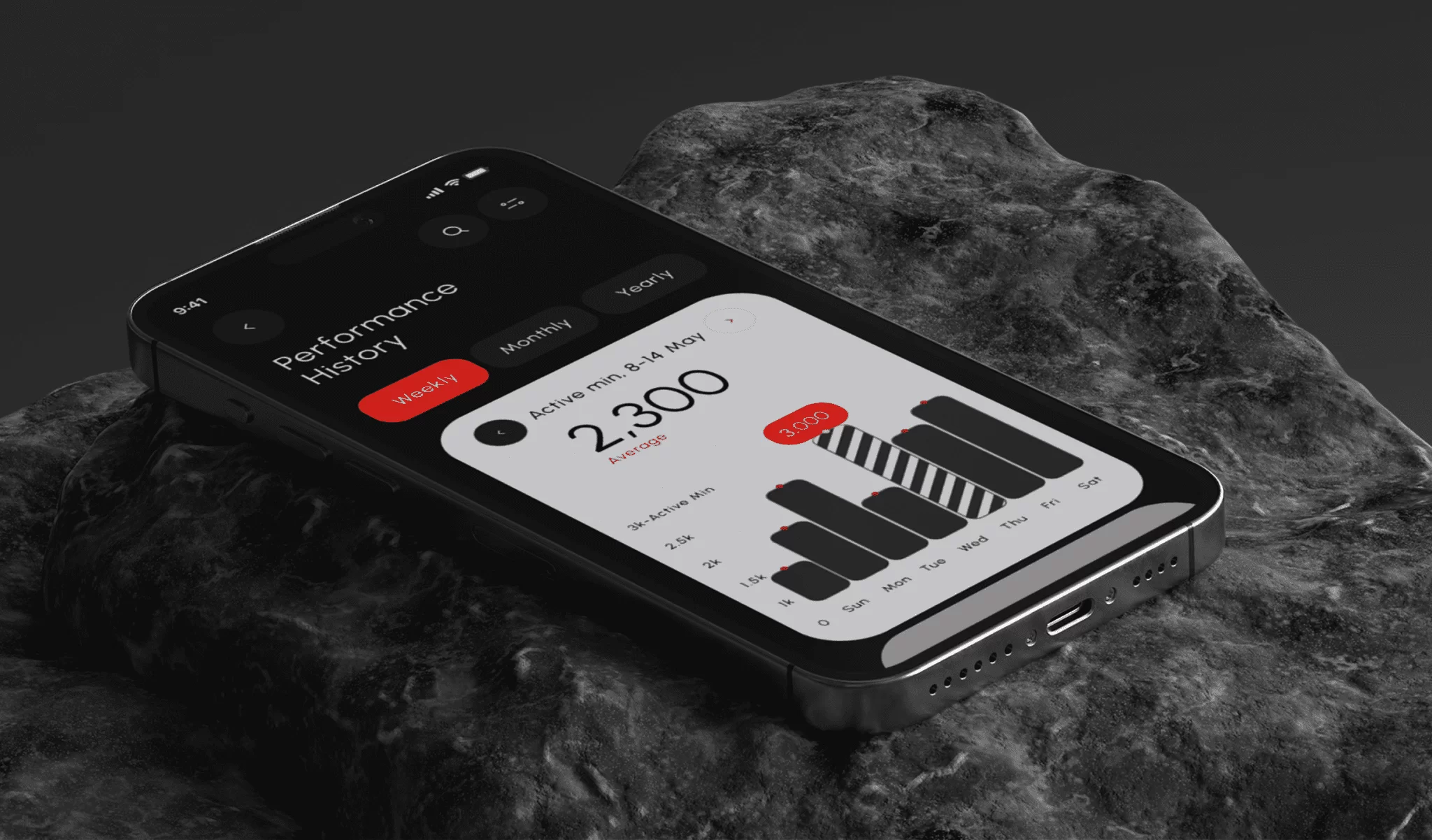
The Strategic Edge of Design Audits
Before embarking on any redesign or optimization, a design audit provides clarity on your product’s current performance. It involves a comprehensive evaluation of your interface, workflows, and usability patterns. For decision-makers, this step is invaluable: it highlights friction points that silently erode conversion rates and customer satisfaction.
Through a design audit, companies can uncover misaligned elements, redundant processes, or inconsistencies that confuse users. Addressing these gaps early ensures that further investments in design, development, or feature enhancements are aligned with measurable business outcomes.
UX Research: Understanding Users Beyond Metrics
Understanding user behavior isn’t about collecting vanity metrics; it’s about identifying the psychological triggers that drive decisions. UX research combines qualitative insights—like user interviews and journey mapping—with quantitative data from analytics and heatmaps.
This depth of understanding empowers teams to design experiences that align with user expectations while subtly guiding them toward desired actions, from feature adoption to subscription upgrades. For a SaaS product, even small improvements in usability can compound across thousands of interactions, translating directly to revenue.
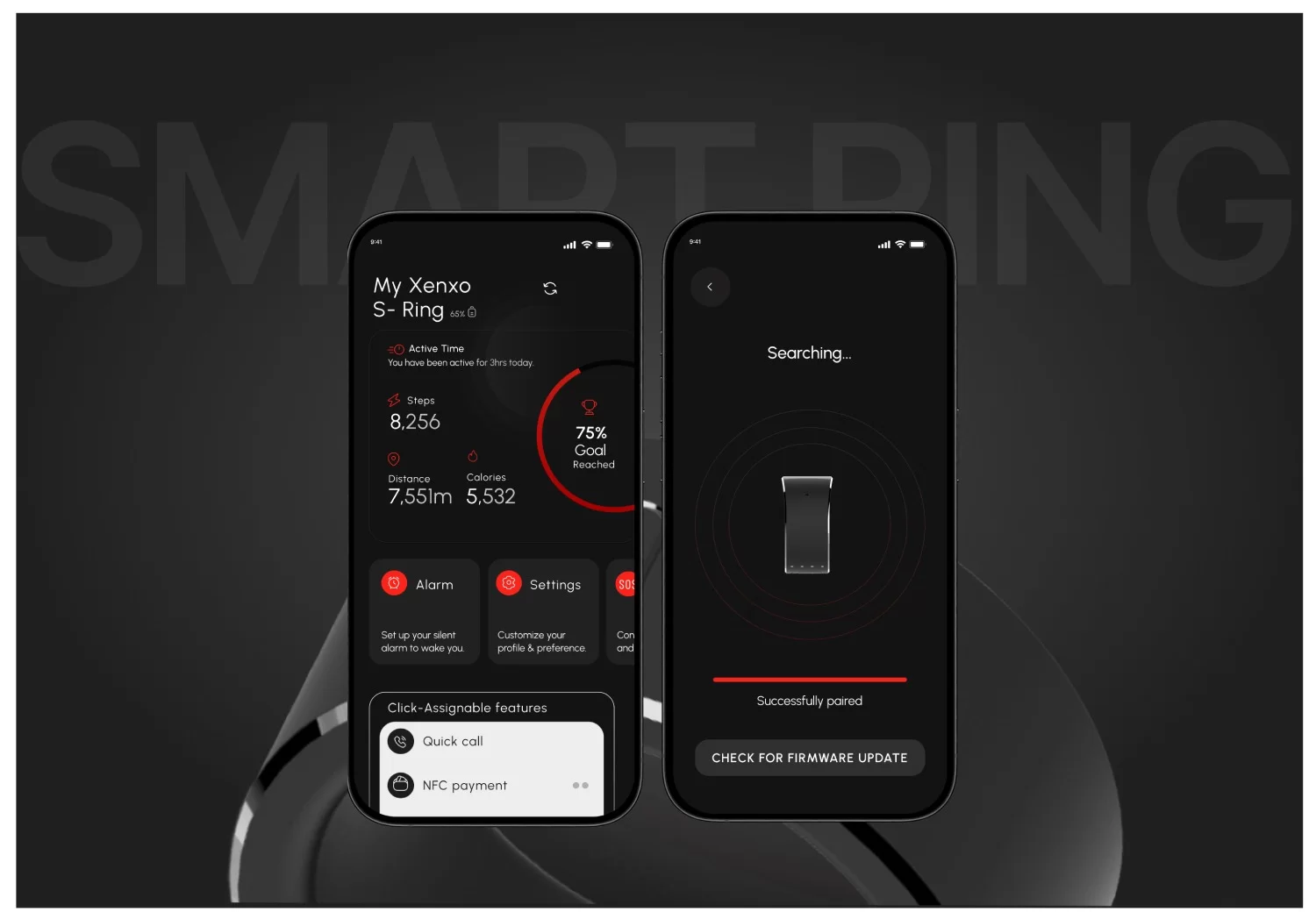
Strategy and Ideation: From Insights to Opportunities
With research insights in hand, strategy and ideation bridge the gap between user needs and business goals. This phase is where decision-makers see how design can unlock untapped revenue potential. By envisioning optimized workflows, personalized touchpoints, and intuitive feature hierarchies, companies can prioritize initiatives that maximize impact.
It’s also an opportunity to explore innovative approaches—like modular design or adaptive interfaces—that not only improve usability but also reduce development complexity and cost over time.
The Pillars of Experience Design
Experience design is the fusion of aesthetics, functionality, and emotion. It ensures that every interaction, from onboarding to task completion, feels intuitive, seamless, and rewarding. Core practices include:
- Information Mapping: Structuring content so that users find what they need without friction.
- Wireframing: Visualizing layouts early to align stakeholders and uncover gaps before heavy development.
- User Interface Design: Crafting clean, cohesive visuals that support brand identity and functionality.
- Interaction Design: Designing responsive, context-aware interactions that keep users engaged.
- Rapid Prototyping: Testing concepts quickly to validate assumptions without significant investment.
- Usability Testing: Continuously refining the product based on real user feedback.
Each of these components works together to create an experience where users feel empowered and satisfied—driving retention, reducing churn, and increasing the likelihood of upgrades or premium subscriptions.
Measurable Impact on Revenue
A thoughtfully designed UI/UX is no longer a soft benefit; it is a revenue lever. Companies that invest in user-centric design consistently see improvements in:
- Conversion rates: Reducing friction in onboarding and payment flows encourages users to become paying customers faster.
- Customer retention: A seamless experience encourages long-term engagement, reducing churn.
- Upselling and cross-selling opportunities: Clear, intuitive interfaces increase adoption of premium features.
- Brand perception: Polished, user-friendly products instill confidence, indirectly boosting customer lifetime value.
Even a single design improvement, when applied across a large user base, can produce measurable revenue gains—often exceeding 30% when combined with ongoing optimization.
Conclusion: Design as a Revenue Engine
For SaaS decision-makers, UI/UX should no longer be viewed as a cost center or a decorative layer—it’s a strategic investment. From conducting design audits to rapid prototyping and usability testing, every stage of a smart design process directly contributes to business outcomes. Companies that prioritize user experience gain not only happier users but measurable growth, stronger market positioning, and a sustainable revenue advantage.
For SaaS companies aiming to outperform competitors, exceptional design has become a strategic differentiator with a direct impact on revenue.

Thanseem
Junior UI/UX Designer