

Designing for Trust: How Visual Language Builds (or Breaks) Brand Credibility
June 11, 2025 ● 15 Mins Read
Table of Contents
Introduction
Trust is not declared, it is designed. In an era of algorithmic feeds, AI-generated content, and shrinking attention spans, trust has become the single most valuable currency a brand can hold. But trust is no longer earned solely through credentials, testimonials, or word-of-mouth. It is conveyed, almost instantly, through design. Fonts, colors, layouts, microinteractions aren’t just aesthetic choices; they are signals. And those signals either reinforce credibility or quietly erode it.
Visual language, then, is no longer just about looking good. It’s about being believable. In this blog, we’ll unpack the mechanics of trust in design, how it’s built, how it’s broken, and how brands can use visual systems not just to be seen, but to be believed.

Trust Is Perceptual Before It Is Rational
The first encounter with a brand is rarely verbal, it’s visual. Long before a user reads a tagline, explores a product, or watches a demo video, they have already formed a subconscious judgment. Is this real? Is this credible? Do I feel safe here?
Psychologists call this thin slicing the human brain’s ability to form snap impressions based on minimal input. In branding, that “thin slice” is the visual interface. The color palette, type hierarchy, grid discipline, visual metaphors all of these work in concert to create an impression of intent and reliability.
Good design doesn’t force trust; it fosters emotional ease. It reduces friction, sets expectations, and creates harmony between brand promise and brand presentation. Inconsistency, on the other hand even in tiny visual details reads as doubt.
Consistency Is the Foundation of Credibility
Design is a language, and like any language, it must be coherent to be trusted. Brands that maintain a consistent visual identity across every touchpoint from website to packaging to social media, signal internal alignment. They feel stable, unified, and deliberate.
Visual consistency isn’t about sameness; it’s about systematic coherence. It allows users to develop fluency in the brand’s visual vocabulary. Once users recognize the structure, the rhythm of your layouts, the tone of your color applications, the logic behind iconography, they’re more likely to feel secure in interacting.
A button that behaves unpredictably, a navigation system that contradicts itself, or typography that changes arbitrarily, these aren’t minor infractions. They’re credibility leaks. Each break in the system whispers, “This might not be trustworthy.”
Typography: The Voice of Authority
Typography is one of the most underutilized yet powerful tools in building trust. Fonts carry connotation. A geometric sans-serif evokes modernity and neutrality. A humanist serif may convey legacy, precision, or gravitas. Poor typographic choices signal a lack of clarity or worse, a lack of care.
Hierarchy is equally critical. If everything is bold, nothing feels confident. If body text is illegible or crowded, the brand feels unprofessional. If headers shout while microcopy whispers inconsistently, the visual voice becomes incoherent.
Trustworthy brands don’t just choose typefaces, they orchestrate them. Line height, spacing, contrast, and rhythm must all align to guide the eye and affirm the brand’s tone. In high-stakes categories like finance, healthcare, and tech, type isn’t decor. It’s interface psychology.
Color and Emotion: Coding for Confidence
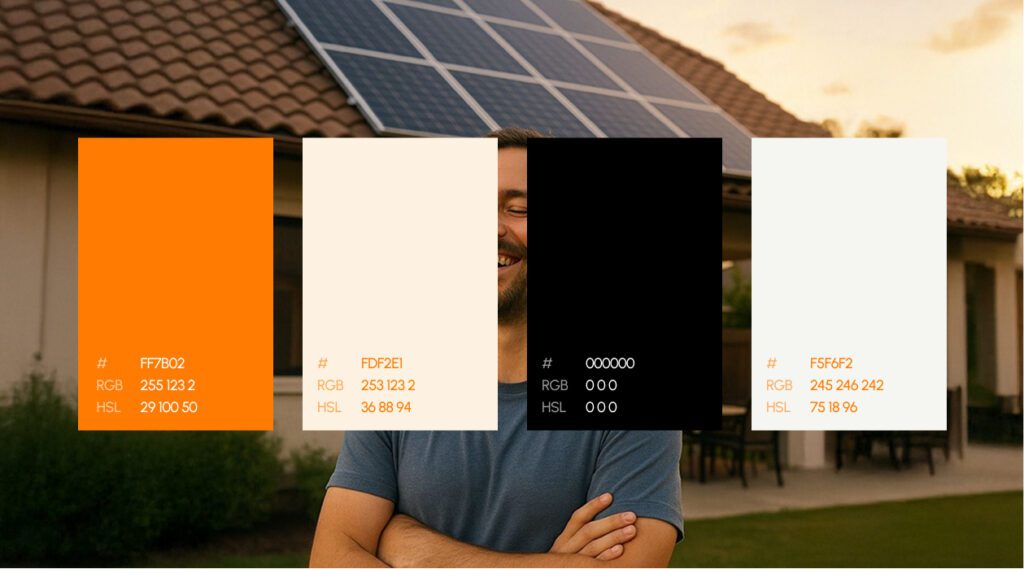
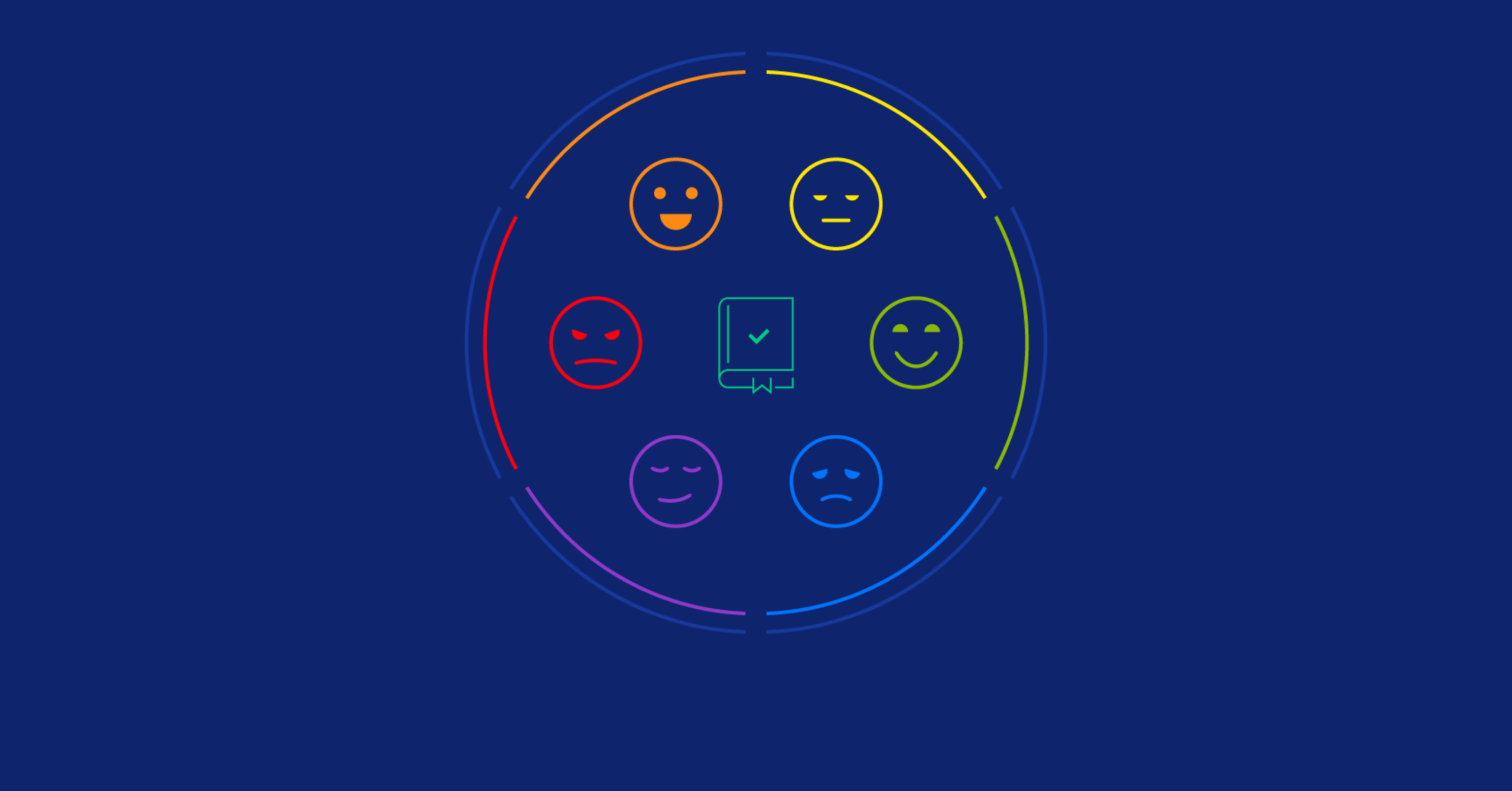
Color is emotional infrastructure. Blue is often associated with stability and trust. Green with wellness or innovation. Black with luxury. But color meanings are contextual and cultural, they must be strategically mapped to your audience and category.
More importantly, consistency in color application is vital. Brands that overuse gradients, switch tones across channels, or apply color without logic risk looking unintentional or even artificial.
Trust-building color design means establishing rules and restraint. Use color to focus attention, denote function, and signal meaning. A primary action button should always be the same hue. A warning state should not resemble a success state. In environments where users make decisions quickly, color must be a semantic system, not just a style guide.
Microinteractions: Small Motions, Big Meanings
Microinteractions hover states, button animations, form feedback are where a brand proves its attention to detail. These moments of motion are not just technical flourishes; they are signs of craftsmanship.
A soft bounce on a click, a reassuring loading animation, or a progress bar that respects time, these signals tell the user: “You’re not alone in this interface. We anticipated your behavior. We’re here.”
When these moments are rushed, glitchy, or overdone, the effect is jarring. Users may not articulate the feeling, but they register it. The interface starts to feel careless or artificial. Microinteractions should express intention and empathy, quietly reinforcing that the brand understands what the user needs and is meeting them with grace.
Credibility Is a Design System, Not a Feature
Brands often treat credibility as a feature, something to be added through testimonials, social proof, or security badges. But real credibility is architectural. It must be designed into the system, not pasted on top.
From onboarding flows to empty states, from footer menus to loading indicators, every visual decision reinforces or undermines the perception of trust. A well-structured brand system becomes a kind of visual governance: a disciplined, coherent foundation that communicates competence, clarity, and care.
And in an internet teeming with scams, low-effort content, and deepfakes, design becomes the filter users rely on to detect what’s real.
Conclusion
We live in a post-verbal internet. Scroll speeds are fast, cognitive loads are high, and skepticism runs deep. Brands don’t have five seconds to explain themselves, they have milliseconds to be believed.
Designers, therefore, are not just decorators of brand expression. They are engineers of credibility. Every layout, every motion, every color choice either affirms or destabilizes trust.
So the next time you’re aligning typography, tweaking spacing, or refining a button, know that you’re not just making things beautiful. You’re doing something far more important: You’re designing belief.

Vidhya Shree
Senior Visual Designer