

Table of Contents
Introduction
Startups don’t usually fail in a dramatic explosion of code or capital. They fail quietly—through user confusion, frustration, and disengagement. You launch a product you believe in, something that solves a real problem. But days turn into weeks, and user signups stagnate. Activation is lower than expected. Churn is higher. You fix bugs, push new features, run ads—and still, traction feels like pushing a boulder uphill. Often, what’s going wrong isn’t the idea or the tech. It’s the experience. The user can’t connect with the product because the path from “I just signed up” to “this solves my problem” is broken. And that’s the danger of bad UX: it doesn’t shout. It whispers. And by the time you realize what’s wrong, your window to fix it might have already closed.
UX Isn’t a Layer—It’s the Product
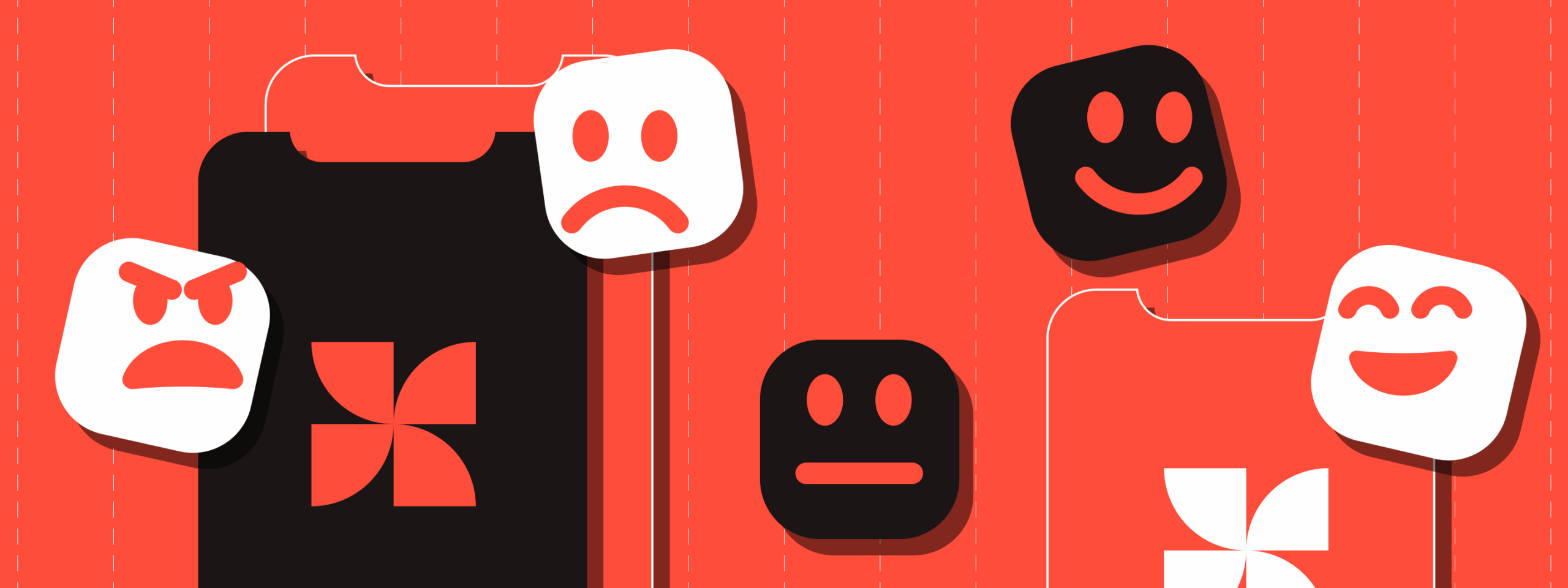
Too many founders treat user experience as the final coat of polish, something you add after the “real work” is done. But UX isn’t decoration—it’s how your product actually functions in the hands of a human being. It’s how a real person, on a phone at 10 p.m., tired and distracted, navigates your app and decides if it’s worth using again. UX is about clarity, momentum, and emotion. It’s about reducing friction at every step of the journey—from landing on your site, to signing up, to getting value as quickly and painlessly as possible. A slick interface doesn’t matter if your navigation is confusing. Great engineering is wasted if users can’t find or understand the core features. Design isn’t the skin—it’s the skeleton. If you’re not designing for real behavior in real contexts, then you’re building a product that may function in theory but fails in reality.
The Hidden Financial Toll of Friction
Every UX flaw has a cost. A confusing form might lower your signup rate by 10%. A slow onboarding flow might cause 30% of users to drop before they even see what your product does. A complex checkout process might cut your conversion rate in half. These aren’t abstract design problems—they’re direct hits to your bottom line. And yet, because these losses happen quietly, many early-stage teams don’t fully grasp their impact. You may spend thousands on acquisition, only to lose those users in the first 60 seconds because the experience didn’t meet their expectations. Bad UX bleeds revenue invisibly. It doesn’t break your system—it just steadily drains it. And in a startup’s earliest stages, when every customer counts and every conversion matters, this silent drain can be fatal.
Churn Is a UX Problem, Not Just a Product Problem
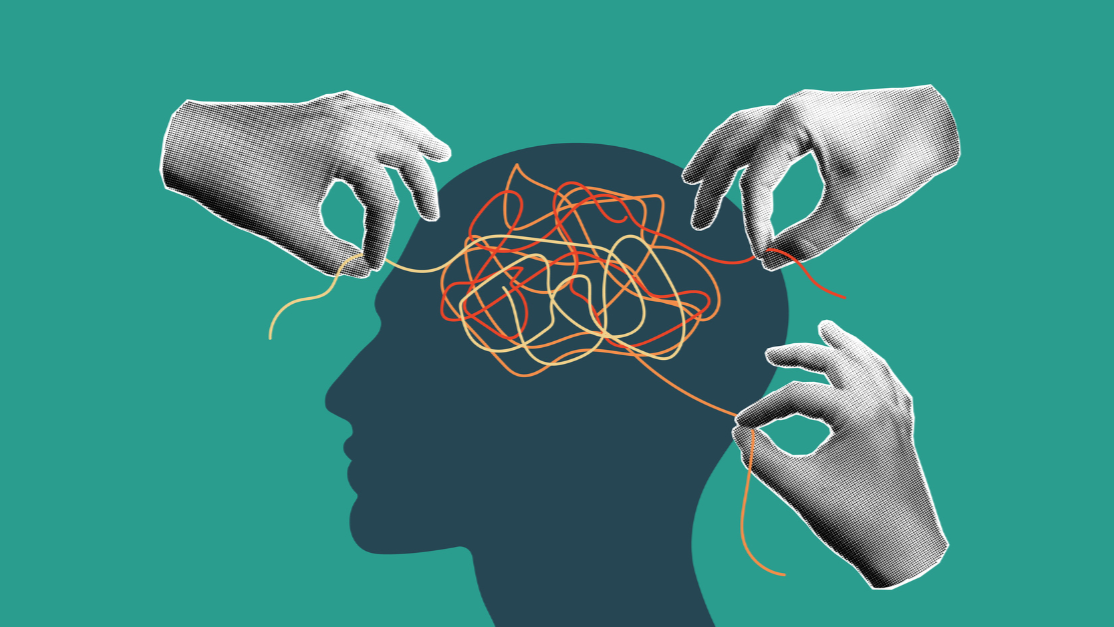
When users leave, it’s easy to blame external factors—wrong market, weak leads, bad timing. But the truth is, most churn begins inside the product. Users rarely leave because they didn’t need your solution. They leave because the solution was hard to access. Because the product made them feel stupid. Because they got stuck. Because they didn’t know what to do next. Founders often respond to churn by adding more features, assuming the problem is one of missing functionality. But more complexity only amplifies poor UX. The real solution often lies in removing friction, not adding options. Simpler flows. Clearer language. Smarter defaults. Great UX is quiet. It doesn’t call attention to itself. It makes using the product feel seamless, even obvious. It doesn’t make the user feel like they’re learning—they’re just doing. And when users get value without frustration, they stay. They return. And they tell others.

Reputation Is Built on Experience
In a digital-first world, your product is your brand. Users don’t make a distinction between your app’s design and your company’s credibility—they’re one and the same. If your product feels clunky, buggy, or confusing, people assume your business is amateurish. First impressions matter, and bad UX creates bad ones instantly. Worse, poor experience gets talked about. It gets screen-recorded and tweeted. It gets passed around in Slack threads. In early-stage startups, word of mouth is your most powerful marketing engine. But bad UX doesn’t just mute that engine—it turns it against you. No one shares a frustrating product. No one becomes a champion of something that made them feel confused or stupid. On the flip side, great UX is magnetic. It’s invisible in the best way. When people use something that just works, they remember how it made them feel. That’s what builds trust, and trust builds growth.
The Competitive Edge of Experience
Here’s the truth most founders overlook: great UX is still rare. Most products, even in mature industries, are more complicated than they need to be. This means there’s a huge opportunity for startups that get it right. You don’t need the most features—you need the clearest path to value. You don’t need to dazzle—you need to make things obvious. When your product feels effortless to use, you’re already ahead of 90% of the market. And in categories filled with noise, simplicity becomes your differentiator. A well-designed experience builds momentum. It reduces support tickets, improves onboarding, increases retention, and lowers acquisition cost. It makes your product feel “right” even before users understand all of what it can do. In early-stage companies, momentum is everything. Design it in.
Design as Strategic Infrastructure
The best founders think of UX not as a function of marketing or design—but as strategic infrastructure. It’s how your company delivers value at scale. It’s how you lower CAC, raise LTV, and convert early curiosity into long-term loyalty. Great UX increases the speed at which you learn, because it gets users further into your product, faster. It lets you run better experiments, gather clearer feedback, and iterate more intelligently. It’s not an aesthetic concern—it’s a velocity concern. And in a startup, where the ability to move fast is often your only advantage, good design isn’t a luxury. It’s a survival tool.
Conclusion
Bad UX is a slow leak in your product’s potential. It might not crash your app or trigger a PR disaster, but it will quietly erode your traction, your growth, and your credibility. Most founders don’t realize how much value they’re losing until they finally fix the experience—and suddenly everything clicks. Signups rise. Retention improves. Revenue grows. Users stay longer, convert more easily, and actually enjoy using the thing you’ve built. That’s what UX does. It turns good ideas into great products. It turns confused visitors into loyal users. It turns friction into flow. And for early-stage startups, where every percentage point matters, that difference is everything.
If you’re building something ambitious, don’t let a broken experience be the reason it fails. Design isn’t something you slap on later—it’s something you get right from the start. Because at the end of the day, people don’t buy features. They buy clarity. They buy confidence. They buy ease. And if you can’t give them that, someone else will.

Thanseem
Junior UI/UX Designer