
Table of Contents
Introduction
Watches are among the few products that naturally embody motion. Their heartbeat is mechanical, their value rooted in precision, and their appeal deeply emotional. Yet, despite this inherent movement, traditional marketing often presents watches in static frames—polished photos, lifestyle shots, and flat specifications. In a digital-first world, this approach feels outdated. What’s needed isn’t just more visuals, but visuals that move with meaning. Product animation answers this call. It doesn’t just show the watch; it reveals its soul. The fluid sweep of a second hand, the mesmerizing dance of a tourbillon, the mechanical bloom of components disassembling mid-air—these are not just flourishes, they are narrative devices. Animation allows us to turn mechanical complexity into visual poetry, making it not only easier to understand but emotionally captivating.
Design as a Language: Making the Invisible Visible
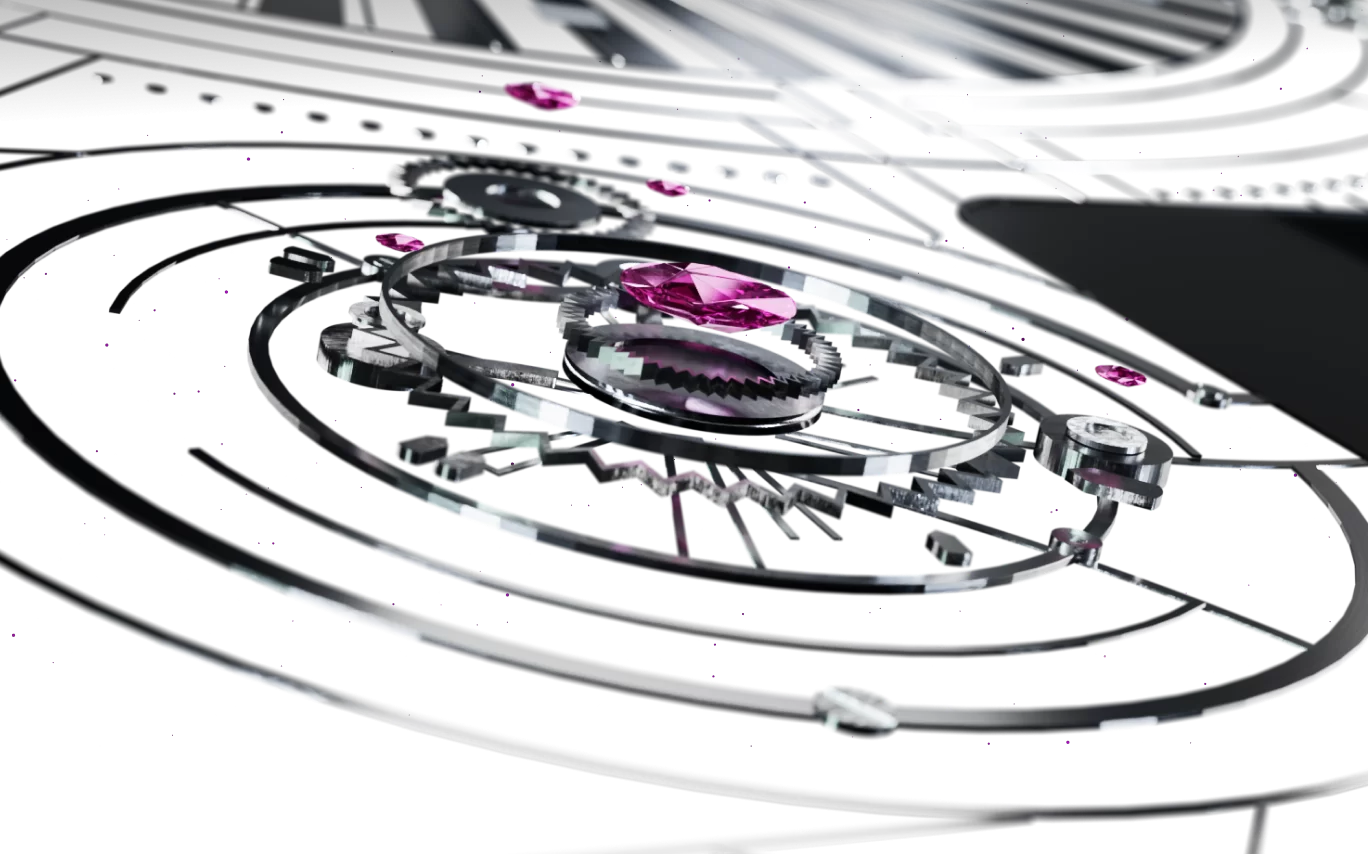
From a design standpoint, animation is not decoration—it’s storytelling architecture. Every design decision, from lighting angles to camera pacing, plays a role in how the product is perceived. A close-up of the crown rotating in slow motion isn’t just showcasing functionality; it’s showcasing resistance, craftsmanship, intention. The way the strap folds, the clasp clicks, or the reflection slides across the crystal surface—these are micro-interactions that communicate materiality, weight, and feel. The design process behind animation is deliberate. Is the movement fluid or sharp? Are textures exaggerated or realistic? Is the background abstract or contextual? All these elements signal brand values. Minimalist movements suggest modernity and precision. Dramatic cuts imply boldness. A monochrome environment may signal heritage or purity. Animation gives the designer complete control over how the product speaks—and more importantly, how it makes the viewer feel.
Storytelling Beyond Timekeeping
Luxury watches are as much about narrative as they are about utility. For decades, legacy brands have told stories rooted in aviation, diving, racing, or heritage craftsmanship. Animation is now the modern canvas for those stories. It lets you peel back the dial to reveal the movement. It allows you to time-travel across brand history, fuse technical data with emotional arcs, and orchestrate a symphony of design, sound, and light. A rotating exploded view of the watch components can express the complexity of engineering better than a thousand words. A slow reveal of textures, engravings, or fine finishes builds suspense and wonder. These are powerful cinematic techniques used not just to show the product, but to give the audience a sensory connection to it. The goal isn’t just to explain the watch; it’s to evoke admiration, curiosity, and desire.
Building a Brand That Moves—Literally and Emotionally
From a branding perspective, animation offers an unmatched advantage: it gives a product life. When audiences see a watch in motion, they begin to imagine it on their wrist, in their world. This emotional projection is the first step in forming a meaningful brand connection. A watch that ticks in perfect rhythm, shines under the right lighting, and glides across the screen with confidence tells us something about the people behind it—it tells us they care about details, aesthetics, and experience. For new or challenger brands, animations help level the playing field. Without decades of brand heritage, startups can use modern storytelling tools to establish credibility. For legacy brands, it’s a way to reinterpret history through contemporary visuals without losing their essence. In both cases, animation becomes a strategic bridge between tradition and innovation.
Designing for Digital-First Luxury Experiences
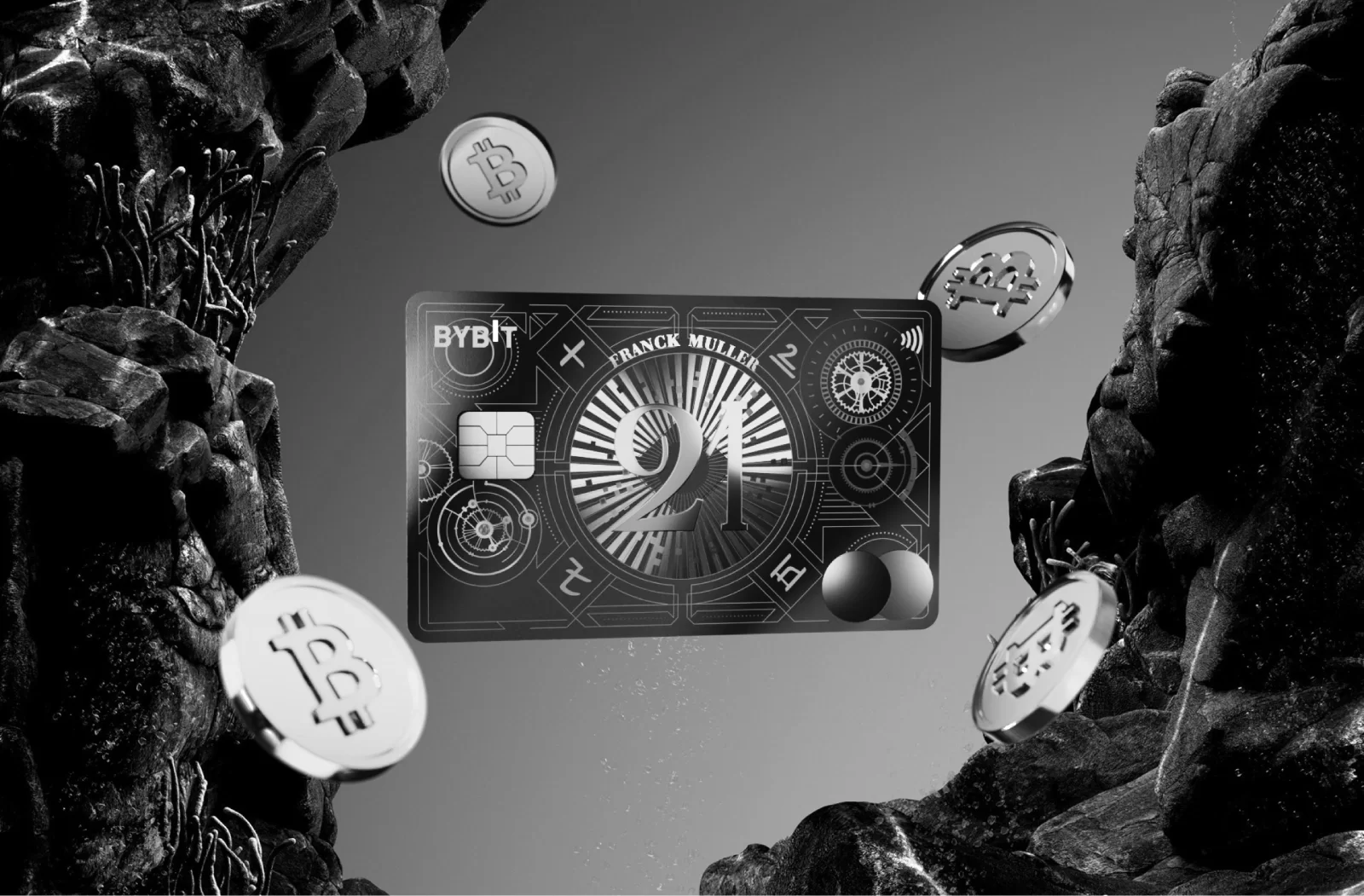
In today’s omnichannel environment, the animation doesn’t just live in one place. It moves across platforms—your homepage hero, your product detail page, your social feed, a retail display, even AR or VR experiences. This means that each animation must be designed not just to impress, but to communicate consistently. That demands a thoughtful integration between design systems and brand strategy. For instance, if your brand identity leans into minimalism, your animation style should reflect that—tight camera movements, sparse compositions, neutral tones. If your story is about technical excellence, you might go for hyper-realism with exploded technical views, synchronized motion, and mechanical breakdowns. The power of animation lies in its ability to create immersive narratives that feel cinematic yet intuitive, stylized yet accurate. It ensures that even before the customer ever touches the product, they already understand its value—and more importantly, its personality.
Conclusion:
Ultimately, animation isn’t just a visual format. It’s a brand message in motion. Every frame says something. Every movement reinforces a belief. Every second is an opportunity to deepen emotional engagement. For watch brands—especially those that thrive on precision, storytelling, and timeless design—animation becomes more than just a tool for attention. It becomes a way to honor the craft, invite curiosity, and translate beauty into experience. In an age where audiences demand both sophistication and substance, storytelling through watch animations is no longer optional. It’s essential. Because sometimes, the best way to show time… is to let it move.

Akshita Shivani Sundar
Senior Graphic Designer