



Social media is a collection of online platforms that allow people to communicate and share information over the internet. It enables users to post text, photos, videos, and other content. Social media helps people connect with friends, family, and communities worldwide. It is widely used for communication, entertainment, education, and business promotion. Businesses use social media to market their products and engage with customers. Overall, social media has become an important part of everyday life and digital communication.
The End of Marketing as a Scheduled Activity
For years, marketing operated around campaigns. Brands launched initiatives, promoted offers, and then waited for results. Customer engagement followed a similar pattern.
That model no longer reflects how people interact with brands. Consumers are constantly researching products, seeking recommendations, sharing experiences, and engaging with content across social platforms. They expect brands to be present whenever they choose to engage.
An always-active social media strategy ensures that organizations remain visible between campaigns, maintaining consistent connections with customers and prospects rather than relying solely on periodic marketing efforts.
Social Media Is Often the First Brand Experience
Before contacting a company, visiting a store, or speaking with a sales representative, many customers evaluate a brand through its social presence.
A company’s social channels provide immediate insight into its values, expertise, responsiveness, and credibility. Potential customers often judge a brand based on the quality of its content, engagement levels, and interactions with its audience.
For decision-makers, this means social media has become a critical component of brand positioning. A strong presence can build confidence and trust, while an inactive or inconsistent presence can create uncertainty.
Continuous Engagement Builds Long-Term Trust
Trust is rarely established through a single interaction. It develops through consistent communication and meaningful engagement over time.
Organizations that regularly share valuable insights, industry knowledge, customer success stories, and educational content create stronger relationships with their audiences. Social media offers a unique opportunity to demonstrate expertise while remaining accessible and human.
From a leadership perspective, trust is one of the most valuable business assets. It contributes to customer loyalty, strengthens retention, and increases the likelihood of referrals and advocacy.
Real-Time Customer Intelligence at Scale
One of the most significant advantages of social media is the direct access it provides to customer perspectives.
Every interaction, comment, share, and conversation offers valuable insights into customer needs, preferences, and expectations. Businesses can identify emerging trends, understand market sentiment, and detect opportunities faster than through traditional research methods.
For executives, this creates a powerful feedback loop that supports more informed decision-making. Marketing strategies, product development initiatives, and customer experience improvements can all be guided by real-time audience insights.
Supporting Every Stage of the Customer Journey
Social media’s influence extends far beyond brand awareness. It plays a role throughout the entire customer lifecycle.
At the awareness stage, it introduces new audiences to the brand. During consideration, it provides information that helps customers evaluate solutions. At the conversion stage, it generates leads and drives purchasing decisions. After the sale, it strengthens relationships and encourages long-term loyalty.
This ability to support multiple business objectives makes social media one of the most versatile and valuable investments available to modern organizations.
Social Commerce Is Redefining the Buying Experience
The gap between discovery and purchase is becoming increasingly smaller. Social media platforms are no longer just spaces for engagement; they have evolved into powerful commerce ecosystems where customers can explore products, compare options, read reviews, and complete purchases without leaving the platform.
For decision-makers, this shift represents a significant opportunity to reduce friction in the customer journey. Instead of directing audiences through multiple touchpoints, businesses can create seamless buying experiences that accelerate conversions and improve customer satisfaction.
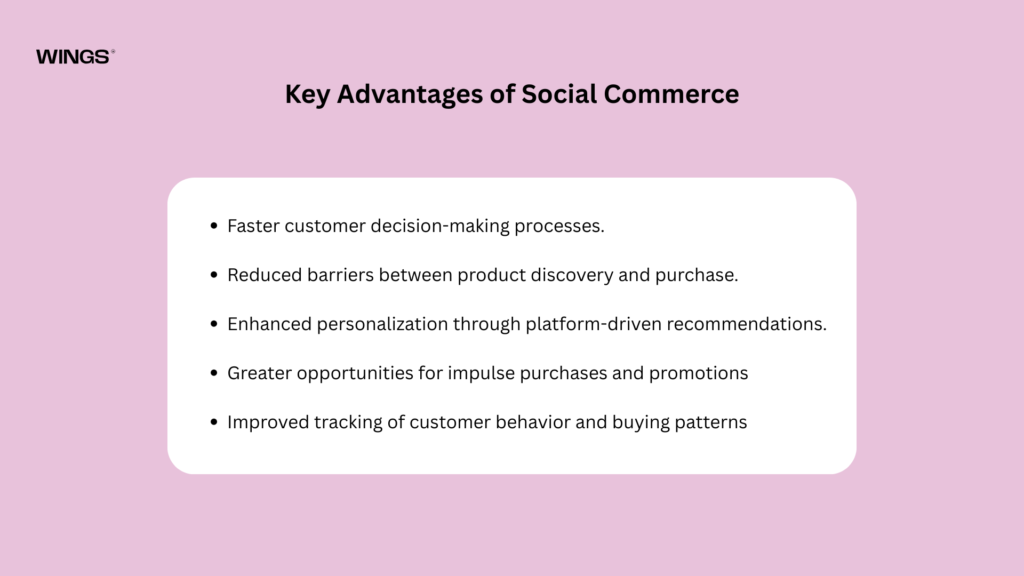
Key Advantages of Social Commerce
- Faster customer decision-making processes.
- Reduced barriers between product discovery and purchase.
- Enhanced personalization through platform-driven recommendations.
- Greater opportunities for impulse purchases and promotions.
- Improved tracking of customer behavior and buying patterns.
Organizations that embrace social commerce are positioning themselves closer to where purchasing decisions are increasingly being made.
Employee Advocacy Amplifies Brand Reach
A company’s social media influence extends beyond its official corporate accounts. Employees have become valuable brand ambassadors capable of expanding reach, building credibility, and strengthening audience trust.
When employees share company updates, industry insights, and professional experiences, they humanize the brand and create authentic engagement opportunities. Audiences often view employee-generated content as more trustworthy than traditional corporate messaging.
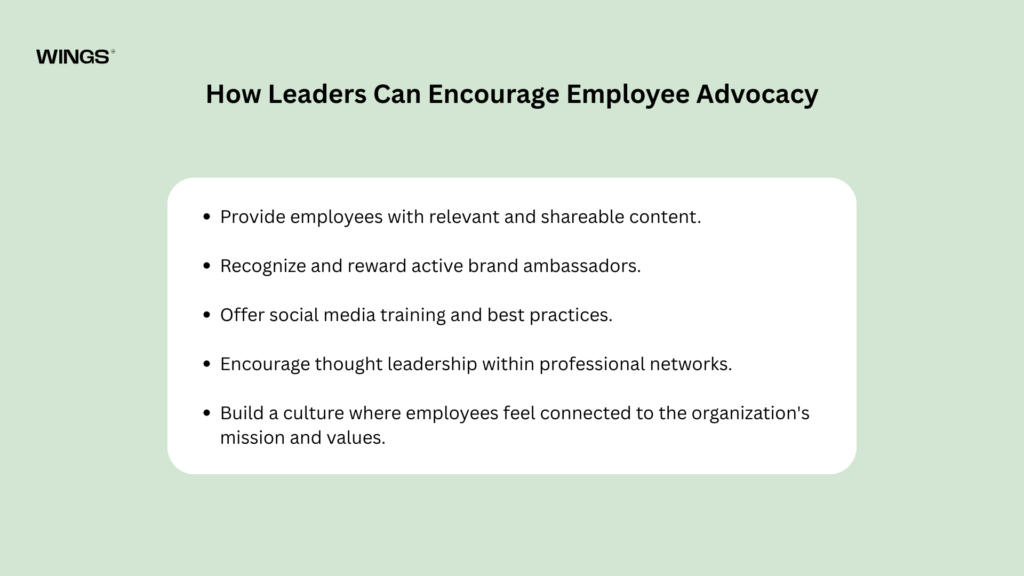
How Leaders Can Encourage Employee Advocacy
- Provide employees with relevant and shareable content.
- Recognize and reward active brand ambassadors.
- Offer social media training and best practices.
- Encourage thought leadership within professional networks.
- Build a culture where employees feel connected to the organization’s mission and values.
An engaged workforce can significantly extend brand visibility while reinforcing organizational credibility.
Measuring Social Media Impact Beyond Engagement Metrics
Decision-makers need clear visibility into how social media contributes to broader business objectives. While likes, shares, and comments indicate audience interaction, leadership teams should focus on metrics that demonstrate tangible business value.
| Business Objective | Social Media Contribution | Key Measurement |
| Brand Awareness | Expands audience reach and visibility | Reach, impressions, share of voice |
| Lead Generation | Drives prospects into the sales funnel | Leads generated, form submissions |
| Customer Retention | Strengthens ongoing customer relationships | Repeat engagement, customer satisfaction |
| Revenue Growth | Supports conversions and sales opportunities | Conversion rate, attributed revenue |
| Brand Reputation | Shapes customer perception and trust | Sentiment analysis, brand mentions |
By connecting social media performance to strategic business outcomes, leaders can make more informed investment decisions and clearly demonstrate return on investment to stakeholders.
Competitive Advantage Comes from Consistency
- Consistent social media activity helps brands stay visible to customers.
- Customers are more likely to remember brands that engage regularly.
- Providing valuable and relevant content builds trust and loyalty.
- An active social media presence helps businesses respond quickly to market changes.
- It enables organizations to take advantage of new opportunities.
- Businesses can address customer concerns before they become major issues.
- Consistency keeps a brand ahead of competitors who are less active.
- Regular engagement strengthens market position and supports business growth.
- Consistency in social media is a key competitive advantage for long-term success.
Preparing for the Future of Always-Active Marketing
- Social media will continue to grow with advancements in technology.
- Artificial intelligence (AI) and personalization are transforming customer engagement.
- Creator partnerships and immersive experiences are shaping modern marketing.
- Businesses should treat social media as a long-term strategic asset.
- Organizations must adapt to changing customer expectations and market trends.
- Continuous listening and engagement help build stronger customer relationships.
- Innovation across digital channels improves business competitiveness.
- An always-active approach enables quick responses to market opportunities.
- Customer-centric strategies support long-term growth and business success.
- Maintaining an active online presence is essential in today’s connected world.

Explore how social media relates to the concept of dimension.
Conclusion
Social media has become the central hub where customers discover brands, form opinions, seek information, and make purchasing decisions. Its influence extends across every stage of the customer journey and touches nearly every aspect of business performance.
For decision-makers, the opportunity is clear. An always-active social media strategy is no longer about maintaining visibility, it is about creating meaningful connections, generating actionable insights, strengthening customer trust, and driving sustainable growth. Organizations that invest in continuous engagement, data-driven decision-making, and customer-centric communication will be better positioned to lead their industries in the years ahead.
In a marketplace where conversations never stop, the brands that remain active, relevant, and responsive will be the ones that earn attention, build loyalty, and achieve long-term success.

Aakash
Digital Marketing Manager