

The Complete Guide to Choosing a UI UX Design Agency: Critical Factors Every Decision Maker Must Know
Jan 28, 2026 ● 13 Mins Read

Table of Contents
Introduction
Choosing a UI UX design agency often appears to be a simple decision. At first, the process may seem as easy as browsing a few portfolios, comparing proposals, and listening to polished presentations. However, as you dig deeper, the complexity quickly becomes clear. Nearly every agency claims to be user centric, data driven, and focused on delivering delightful digital experiences. While these claims sound promising, they are often little more than marketing language. They do not automatically mean that an agency can understand your business challenges, empathize with your users, or design experiences that drive measurable results.
The consequences of making the wrong choice can be significant. An unsuitable UI UX partner can lead to wasted budgets, endless redesign cycles, frustrated users, poor adoption, and missed revenue opportunities. In contrast, the right agency can dramatically improve conversion rates, reduce development rework, lower support costs, and increase long term customer loyalty. For founders, product leaders, CMOs, CTOs, and business owners, this decision is not merely about design aesthetics. It is a strategic investment that directly affects business performance.
This guide is designed to help decision makers take a structured and informed approach to selecting a UI UX design agency. It goes beyond surface level advice and explores how to evaluate agencies based on process, mindset, collaboration, and long term value. By the end of this guide, you will understand what UI UX truly means, when hiring an agency makes sense, how to assess different types of agencies, and how to ensure a partnership that delivers sustainable business impact.
What UI UX Really Means and Why It Matters
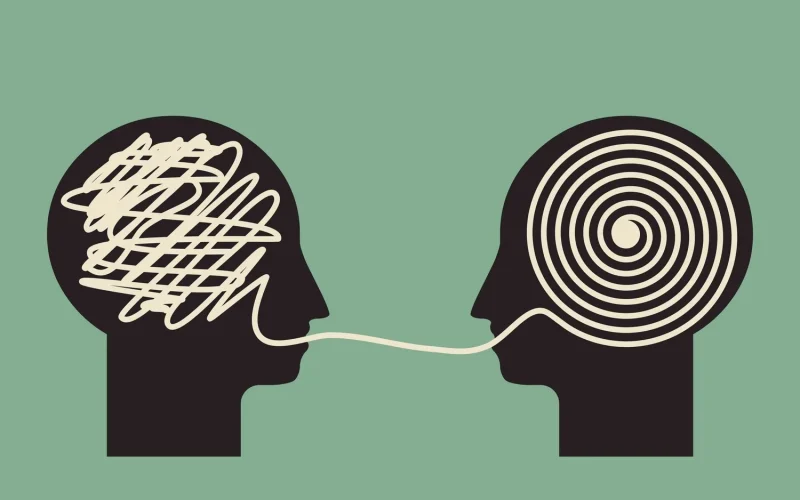
Before evaluating agencies, it is critical to understand what UI and UX actually represent. Many organizations mistakenly view UI UX as simply making interfaces look attractive. This misconception leads to undervaluing the discipline and choosing partners who focus on visual polish rather than meaningful outcomes. In reality, UI UX design is a strategic practice that balances user needs with business objectives.
- UX The Experience Behind Every Interaction
User experience design focuses on the complete journey a user has with a product or service. This journey begins long before a user clicks their first button and continues well after they complete a task. UX is about understanding human behavior, motivations, expectations, and pain points, then designing systems that reduce friction and guide users toward successful outcomes.
A strong UX process typically includes user research to uncover real needs and frustrations, journey mapping to visualize user interactions over time, information architecture to structure content logically, wireframing and prototyping to test ideas early, and usability testing to validate decisions with real users. Each step builds on the previous one, ensuring that design decisions are grounded in evidence rather than assumptions.
Effective UX design prevents common problems such as confusing navigation, feature overload, frustrating onboarding experiences, abandoned sign ups, and frequent redesigns. When agencies skip research or rush through UX planning, they often produce designs that look appealing but fail to solve real problems. The result is a product that users struggle to understand and eventually abandon.
- UI The Visual Layer Users See
User interface design is the visual and interactive layer that users engage with directly. It includes typography, color systems, spacing, iconography, layout, and interaction states. While UI is often perceived as decoration, it plays a critical role in usability and trust. A well designed interface communicates hierarchy, guides attention, and makes interactions intuitive.
Good UI design reinforces UX decisions. Clear visual cues help users understand what actions are possible, while consistent styling builds familiarity and confidence. UI also reflects brand identity, shaping how users perceive the quality and credibility of a product. A poorly executed interface, even if the underlying UX is sound, can undermine user trust and reduce engagement.
Why UI UX Is Strategic
Modern users have high expectations. They compare every digital experience not only to direct competitors but also to the best products they use daily. Applications from companies like Apple, Airbnb, Stripe, and Uber have set a high bar for usability and polish. Any friction, confusion, or outdated design can cause users to leave without providing feedback.
Strong UI UX design reduces churn, minimizes support requests, and saves development time by preventing costly rework. At the same time, it increases conversion rates, engagement, retention, and overall satisfaction. Choosing a UI UX agency is therefore a strategic business decision, not a cosmetic one.
When Hiring a UI UX Agency Makes Sense
Not every organization needs an external agency. However, there are many scenarios where partnering with a specialized agency can accelerate progress and improve outcomes. Specialized agencies bring focused expertise, proven processes, and an objective perspective that can be difficult to maintain internally. With the right partner, teams can move faster, reduce risk, and achieve stronger, more consistent results.
Hiring a UI UX agency is often beneficial when you lack a dedicated UX team, when internal teams are overloaded, or when you need an unbiased external perspective. Agencies bring structured processes, cross industry experience, and specialized expertise that can be difficult to build internally.
Common situations where agencies add significant value include redesigning legacy software, launching new mobile apps or SaaS platforms, validating early stage ideas, creating scalable design systems, and optimizing conversion funnels. In each of these cases, the cost of poor UX can be high, making external expertise a worthwhile investment.
Types of UI/UX Agencies
Selecting the right type of agency is critical. The wrong match can lead to misalignment, wasted budgets, and unmet expectations. Agencies generally fall into four categories:
- UX Research & Strategy Specialists: These agencies excel in deep user research, analytics, and usability testing. They are ideal for complex enterprise platforms, fintech tools, healthcare applications, and data-heavy dashboards. Their focus is on structured UX processes, although visual branding may not be their primary strength.
- Full-Service Digital Agencies: These agencies offer a mix of branding, web development, marketing, and UX services. They are well-suited for marketing-driven websites, brand launches, and company rebranding projects. Their strength lies in delivering cohesive brand experiences, but UX can sometimes become secondary to other services.
- Product Design Studios: These agencies specialize in creating digital products, making them perfect for startups, SaaS platforms, and innovation teams testing new ideas. They excel at rapid prototyping, iterative design, and close collaboration with developers, but they may not conduct extensive research initiatives.
- Development Agencies That “Do UX”: Primarily engineering-focused, these agencies can deliver functional products quickly and at lower cost. However, UX often takes a back seat, which can lead to design compromises and a less user-centered product.
Understanding these distinctions ensures that the agency you choose aligns with your goals and avoids misaligned expectations from the start.
Core Services a Strong UI/UX Agency Should Offer
Top agencies work in structured layers rather than jumping straight to visual design.
Strategy and Discovery: The initial phase aligns stakeholders, defines audience and objectives, and establishes metrics for success. Discovery typically involves workshops, competitive benchmarking, UX audits, and defining what success looks like. Skipping this step often leads teams to solve the wrong problem.
User Research: Research uncovers real user motivations, pain points, and expectations through interviews, surveys, heuristic evaluations, analytics reviews, and usability testing. Agencies that skip research rely on assumptions and gut feelings, risking poor outcomes.
UX Architecture and Design: At this stage, the agency structures the product for usability. Deliverables often include site maps, information architecture, user flows, wireframes, and interactive prototypes. This ensures that usability is validated before visual design begins.
UI and Visual Design: Here, the product gains personality and clarity. Agencies create typography systems, color palettes, design systems, component libraries, and micro-interactions. Strong UI design ensures that the product is visually cohesive, accessible, and aligned with brand identity.
Handoff, QA, and Support: Even after design delivery, top agencies provide documentation, assets, developer support, QA reviews, and ongoing optimization. This reduces rework, ensures accurate implementation, and supports long-term product evolution.
Evaluating Agencies Beyond Portfolios
Many companies focus solely on aesthetics and pricing, overlooking deeper capabilities. Critical factors include:
- Problem-Solving Ability: Does the agency ask tough questions or blindly follow instructions? Mature agencies challenge assumptions respectfully.
- Research Mindset: Do they validate decisions with real users rather than relying on gut instincts?
- Collaboration Style: Strong agencies engage engineers early, consider technical constraints, and communicate clearly with project managers.
- Accessibility Culture: Agencies should demonstrate knowledge of accessibility standards, including WCAG compliance, color contrast, keyboard navigation, and screen reader testing.
- Long-Term Scalability: Good design is modular and reusable, ensuring that new features can be added efficiently.
Pricing models vary: fixed-price contracts suit well-defined projects, time-and-materials agreements offer flexibility, retainers enable ongoing partnerships, and value-based pricing links cost to measurable business impact. Low-cost agencies often skip research and deliver generic templates, which leads to rework, redesign, and frustration.
How to Evaluate Portfolios
When reviewing portfolios, look beyond visual appeal. Ask about the problem being solved, the target users, constraints, and measurable outcomes. Strong case studies explain the design process, research insights, and impact on business metrics.
Red flags include generic designs reused across projects, lack of research explanation, unrealistic timelines, and avoidance of performance metrics.
Questions Discovery Call Questions
During discovery calls, focus on:
- How does your discovery process work?
- How do you gather and validate user insights?
- How do designers collaborate with developers?
- How do you adapt to changing requirements?
- Who will work directly on our project?
- How do you measure project success?
- How do you ensure accessibility and inclusivity?
The depth and clarity of their answers reveal their true capabilities.
The Ideal UI UX Process
Most mature agencies follow a structured process that includes discovery, research, problem definition, information architecture, wireframing, prototyping, usability testing, iteration, visual design, design system creation, developer handoff, and continuous improvement. Skipping steps usually indicates shortcuts that can compromise quality.
Clear communication, regular check-ins, shared documentation, and transparent ownership of assets are essential for a successful partnership.
Measuring Success After Launch
Success should be measured by outcomes rather than aesthetics. Key metrics include onboarding completion rates, task success, error reduction, conversion growth, feature adoption, user satisfaction, and support ticket volume. The best agencies remain engaged after launch, using data to optimize and refine the experience.
What Makes a Truly Great UI UX Agency
Exceptional agencies combine deep business understanding, respect for technical constraints, user centered thinking, and a focus on measurable impact. They act as partners rather than vendors, helping organizations turn UI UX into a competitive advantage. Their work empowers internal teams, delights users, and drives real business results.
Conclusion
Choosing a UI/UX agency is a strategic decision that goes beyond aesthetics. The right partner designs experiences that are intuitive, accessible, and aligned with your business goals. Exceptional agencies validate ideas through research, challenge assumptions, and create scalable systems that reduce rework and prevent costly mistakes.
A strong UI/UX partner collaborates seamlessly with your team, ensuring measurable outcomes like higher conversions, stronger retention, and user loyalty. By focusing on long-term value, UI/UX becomes a competitive advantage, empowering your team, delighting users, and driving tangible business results in an increasingly demanding digital landscape.

Nandin
Design Lead