

Table of Contents
Introduction
Design is no longer just about aesthetics or visual polish. UX—the way users interact with products—has become a critical business function that directly impacts revenue, retention, and growth. Every interaction, from landing on a page to completing a purchase, shapes perceptions, loyalty, and profitability. Thoughtful UX decisions don’t just make products usable—they drive measurable business outcomes.
Despite this, many organizations still treat UX as a “nice-to-have” rather than a strategic lever for growth. Friction, confusion, and frustration in a product create lost revenue, lower engagement, and higher operational costs. Conversely, well-designed experiences reduce churn, increase conversions, and cultivate long-term customer loyalty.
UX as a Strategic Investment
The first misconception many businesses have is seeing UX as a cost center. In reality, UX is one of the most effective investments a company can make. Every point of friction in your product is a potential revenue leak, while every frictionless experience is an opportunity to guide users toward value.
Take onboarding, for instance. A well-designed onboarding process can increase activation rates dramatically. If a product’s onboarding flow is confusing, users drop off, wasting marketing dollars spent to acquire them. On the other hand, clear guidance, intuitive navigation, and helpful microcopy make the process seamless, turning first-time users into engaged customers.
Investing in UX isn’t just about smooth flows; it’s about optimizing every touchpoint in the customer journey. This includes:
- Navigation: Can users find what they need without frustration?
- Microinteractions: Do small animations, feedback, or error messages guide users rather than confuse them?
- Accessibility: Are all users, including those with disabilities, able to engage effortlessly?
These aren’t mere design niceties—they are strategic moves that influence conversions, retention, and long-term revenue.
UX Delivers Measurable ROI
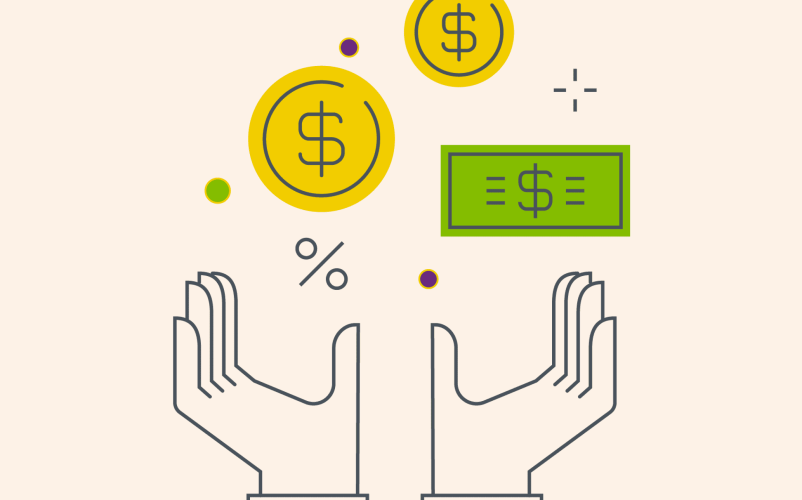
One of the strongest arguments for investing in UX is the ROI is quantifiable. Research consistently shows that every $1 invested in UX can yield up to $100 in return. This is not guesswork—it’s a reflection of the power of thoughtful design to influence user behavior and business metrics.
Every design choice can be linked to measurable outcomes. For instance:
- Simplifying a checkout form can reduce cart abandonment and increase sales.
- Improving page load times can boost conversions and reduce bounce rates.
- Clarifying error messages and providing inline guidance can reduce support tickets.
The key is to align UX decisions with business metrics. Instead of asking, “Does this design look good?” ask, “Will this design improve activation, retention, or revenue?” By tying design decisions directly to measurable outcomes, UX becomes a strategic lever for growth, not just a creative exercise.
UX Fosters Long-Term Loyalty
Profitability isn’t just about the first sale—it’s about repeat business and lifetime value (LTV). UX plays a central role in building loyalty because it directly affects the emotional experience of your users.
Consider how users perceive frictionless products like Airbnb or Spotify. They don’t just return because of the service—they return because the experience feels effortless, intuitive, and reliable. UX influences emotions, and emotions drive loyalty.
Even small UX improvements—reducing clicks in a common workflow, adding contextual help, or providing clear progress indicators—can significantly increase retention rates. Over time, these improvements compound, creating a base of repeat customers who are more profitable than one-time users.
Ultimately, UX is a tool for relationship building. Thoughtful design shows users you understand their needs, making them more likely to engage, recommend, and invest in your product over the long term.
Reducing Costs Through UX
Beyond revenue, UX decisions help companies reduce operational costs. Poor UX often leads to hidden expenses: more support calls, higher churn, and repeated redesigns. Fixing UX problems after launch is significantly more expensive than addressing them early in the design process.
By investing in UX upfront, companies save money in multiple ways:
- Support efficiency: Clear interfaces and intuitive flows reduce the number of help requests.
- Reduced rework: Early design validation prevents costly post-launch fixes.
Operational efficiency: Well-designed workflows streamline internal processes, saving time and resources.
Aligning UX With Business Strategy
UX should never exist in a silo. Its most powerful impact comes when it is strategically aligned with business objectives. This means integrating UX design into product strategy, marketing, and leadership decisions.
When UX decisions are informed by research, user data, and business goals, design becomes a growth driver rather than a decorative layer. Examples include:
- Prioritizing features that improve conversion and retention over visually flashy but low-impact elements.
- Designing flows that support strategic business objectives, like upselling or increasing engagement with premium features.
- Using A/B testing to measure the real-world impact of design changes on revenue.
By making UX a strategic partner to business, companies turn design into a tool for measurable growth, rather than just aesthetics.
UX as a Continuous, Long-Term Strategy
The impact of UX isn’t a one-time effect—it’s compounded over time. Products evolve, markets shift, and user expectations grow. Continuous UX optimization ensures your product remains relevant, intuitive, and profitable.
Top-performing companies embed UX thinking into their culture, making it part of every decision, every sprint, and every release. This mindset allows teams to innovate without sacrificing usability, ensuring long-term sustainability and growth.
Long-term UX investment also strengthens brand perception. A consistently thoughtful, intuitive experience builds trust, positioning your company as reliable and customer-centric. And trust translates to higher retention, referrals, and ultimately, profitability.
Conclusion: Design is a Business Imperative
UX is no longer optional. It is a core driver of long-term profitability, shaping user behavior, building loyalty, reducing costs, and aligning products with business strategy.
The strongest companies understand that design is a revenue engine. Every decision—from microcopy to flow architecture—affects conversion, retention, and lifetime value. Investing in UX is not just about making things look or feel better; it is about strategically driving business outcomes.
In today’s competitive market, the companies that thrive are those that treat UX as a central business strategy, measure its impact, and continuously refine the experience.
Design better experiences, and the business outcomes will follow.
Passionate about creating bold, engaging visuals that tell a story. Whether designing compelling brand identities or experimenting with new artistic styles, I love exploring the power of color, composition, and creativity. When I’m not designing, you’ll often find me behind the camera, capturing moments and discovering new perspectives through photography.

Vidhya Shree
Senior Visual Designer