


Table of Contents
Introduction
When you’re in the early days of building a startup, the temptation is to focus all your energy on the product. You’re obsessed with features, prototypes, user feedback, shipping roadmaps. And that’s natural. But what many founders overlook is how much your brand—especially how it looks—can shape the way people perceive what you’re building. At this stage, most people aren’t engaging with your actual product yet. They’re landing on your website, reading your pitch deck, skimming your social media. So what’s forming their impression? It’s not your functionality—it’s your brand. That’s why visual identity isn’t just a nice-to-have—it’s foundational.
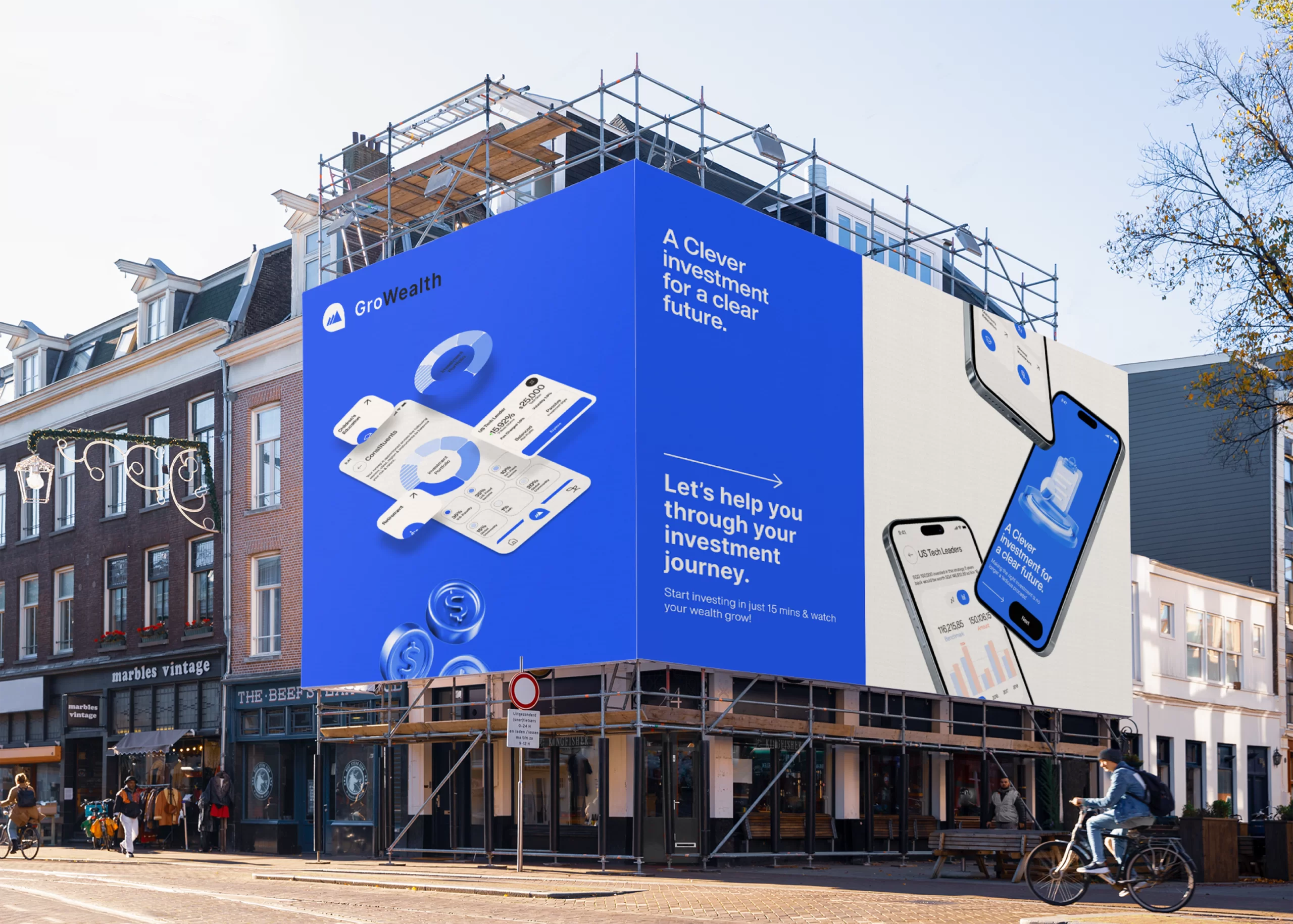
Visual Identity Is Your Startup’s First Language
Before anyone hears your pitch, before they understand your value proposition, they see you. They see your colors, your typography, your layouts, your logo, your tone. Visual identity is the first language your brand speaks. If it feels rushed, inconsistent, or like a clone of every other startup, you risk blending in—or worse, being forgotten. But if your brand looks confident, cohesive, and visually distinct, people pause. They take you seriously. They start to believe you’re building something worth paying attention to. You don’t need a massive branding budget. You just need clarity, consistency, and good design decisions that reflect who you are and where you’re going.
Looking the Part Opens Doors
Let’s be honest: in the early stages, people aren’t buying your product—they’re buying into your potential. Investors, early hires, and first customers are taking a leap of faith. Visual identity helps close that gap. It sends the unspoken message that you know what you’re doing. When your pitch deck feels polished, when your website feels like it belongs to a serious player, when your logo actually feels intentional—suddenly people lean in. The reality is, you might not have product-market fit yet, but if you look like you do, you’ll get further, faster. People respond to design. It makes them feel something. And feelings drive decisions.
A Good Brand Makes the Product Better
A common misconception is that branding distracts from building. In truth, it can guide it. A strong visual identity creates an emotional anchor for your team and your users. It sets the tone for how the product should feel. If your brand is sleek and futuristic, your UI decisions start to follow suit. If your brand is warm and human, your onboarding experience starts to mirror that. The best brands create a world around the product—one that people want to step into. And when the brand and the product feel like they’re part of the same story, everything becomes more memorable.
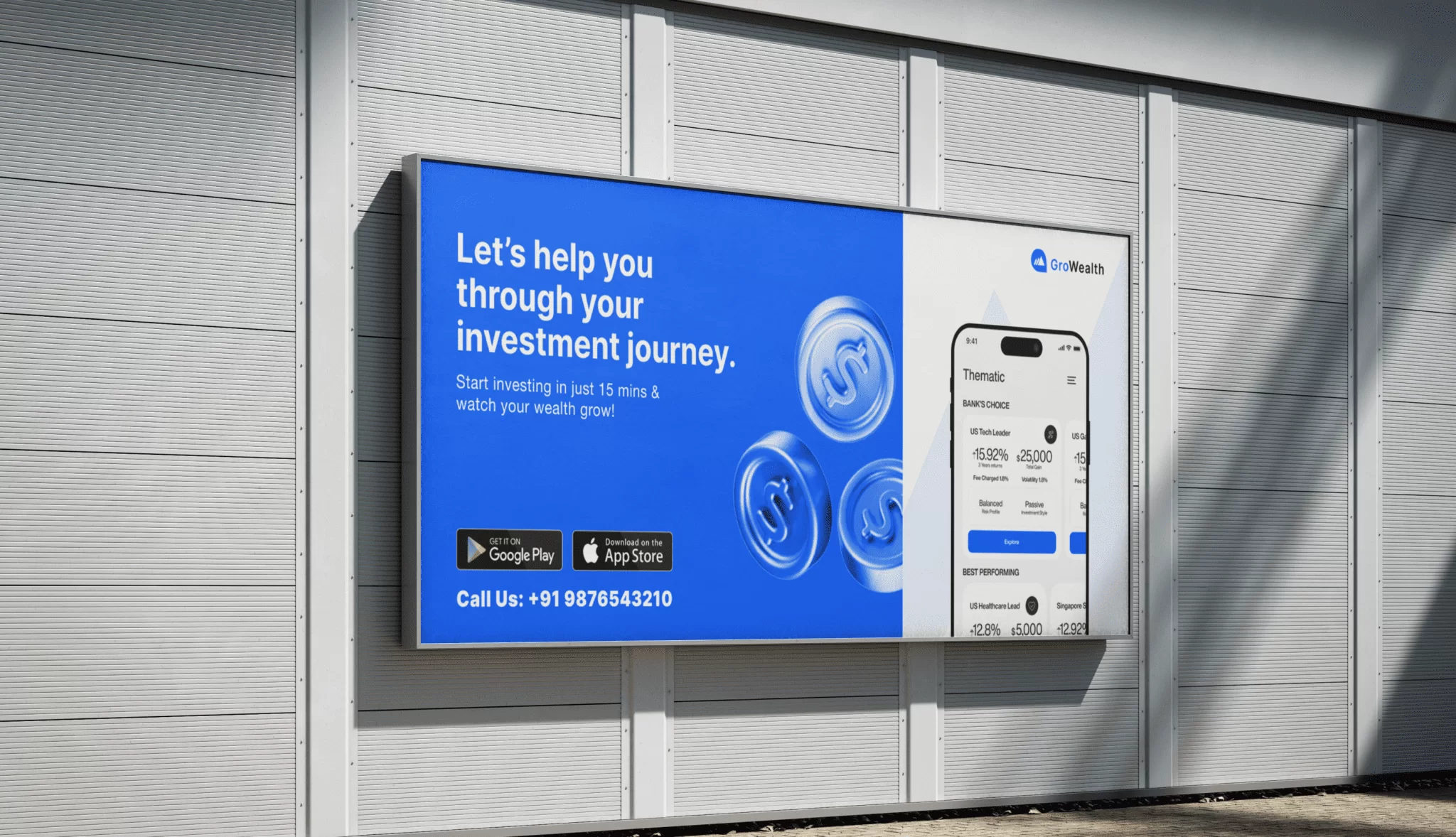
You’re Not Faking It—You’re Framing It
Some early founders feel weird investing in visual identity before the product is “ready.” But here’s the truth: you’re not faking it, you’re framing it. Branding isn’t about pretending to be something you’re not. It’s about expressing your intent with clarity and confidence. It shows the world that you take yourself seriously. That you have a point of view. That you care about experience at every level—not just function, but form too. In a world full of half-baked products and rushed launches, a brand that feels intentional cuts through the noise.
Conclusion: Design a Brand Your Product Can Grow Into
Think long-term. The visual world you create now should be something your product can grow into, not grow out of. It should scale with your ambition. You don’t need to over-design it—but you do need to set a strong foundation. One that helps you stand out today, and still holds up tomorrow. Because if your brand doesn’t match your vision from day one, it’s going to feel off when the product finally catches up. And rebranding later is expensive—not just in money, but in momentum.
So don’t wait. Don’t treat branding as a post-launch checklist item. In a crowded market, where trust is hard-won and attention is short, your visual identity is your sharpest early asset. Use it. Build the brand before the product. And let it do what great design does best—open doors before you even knock.

Akshita Shivani Sundar
Senior Graphic Designer